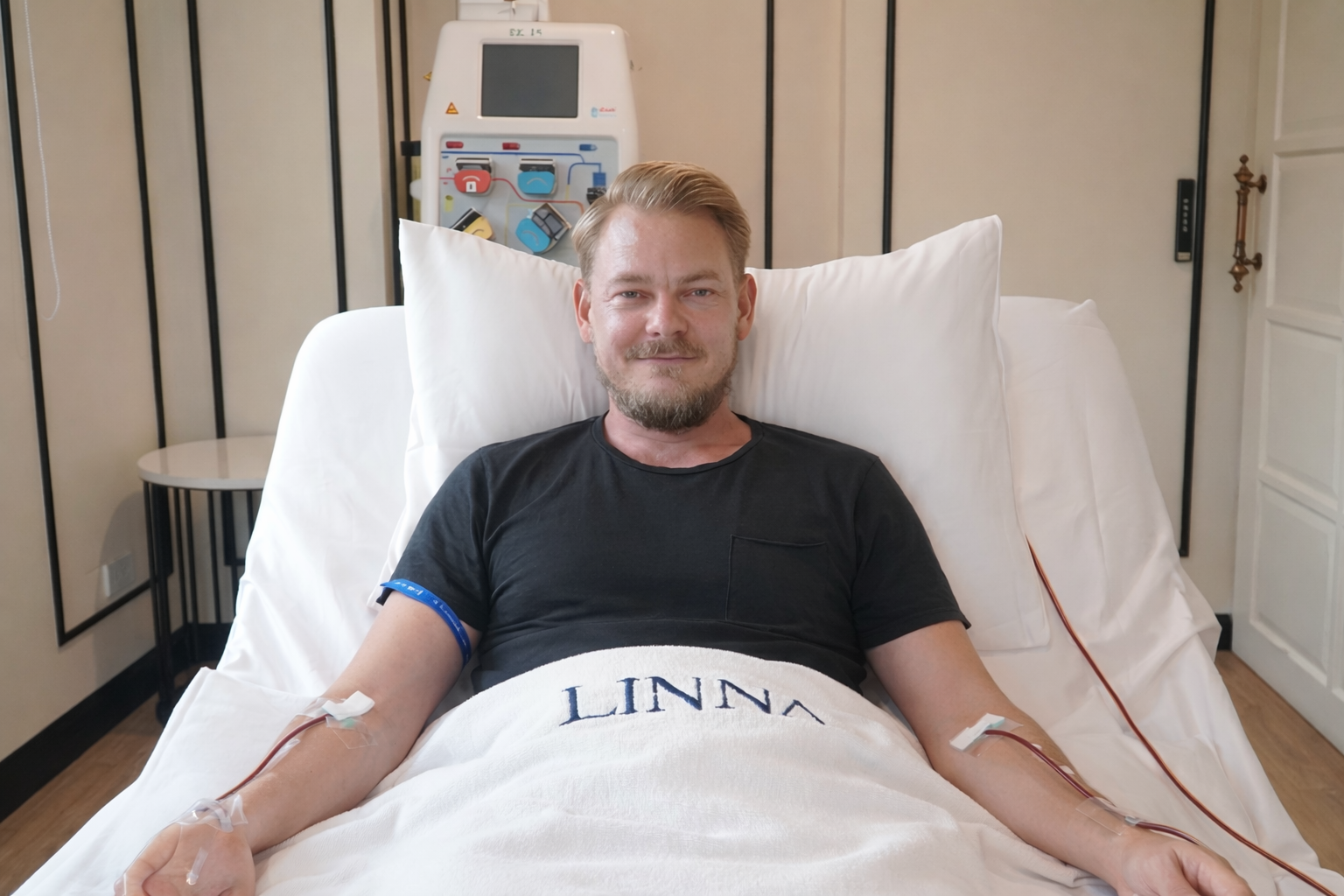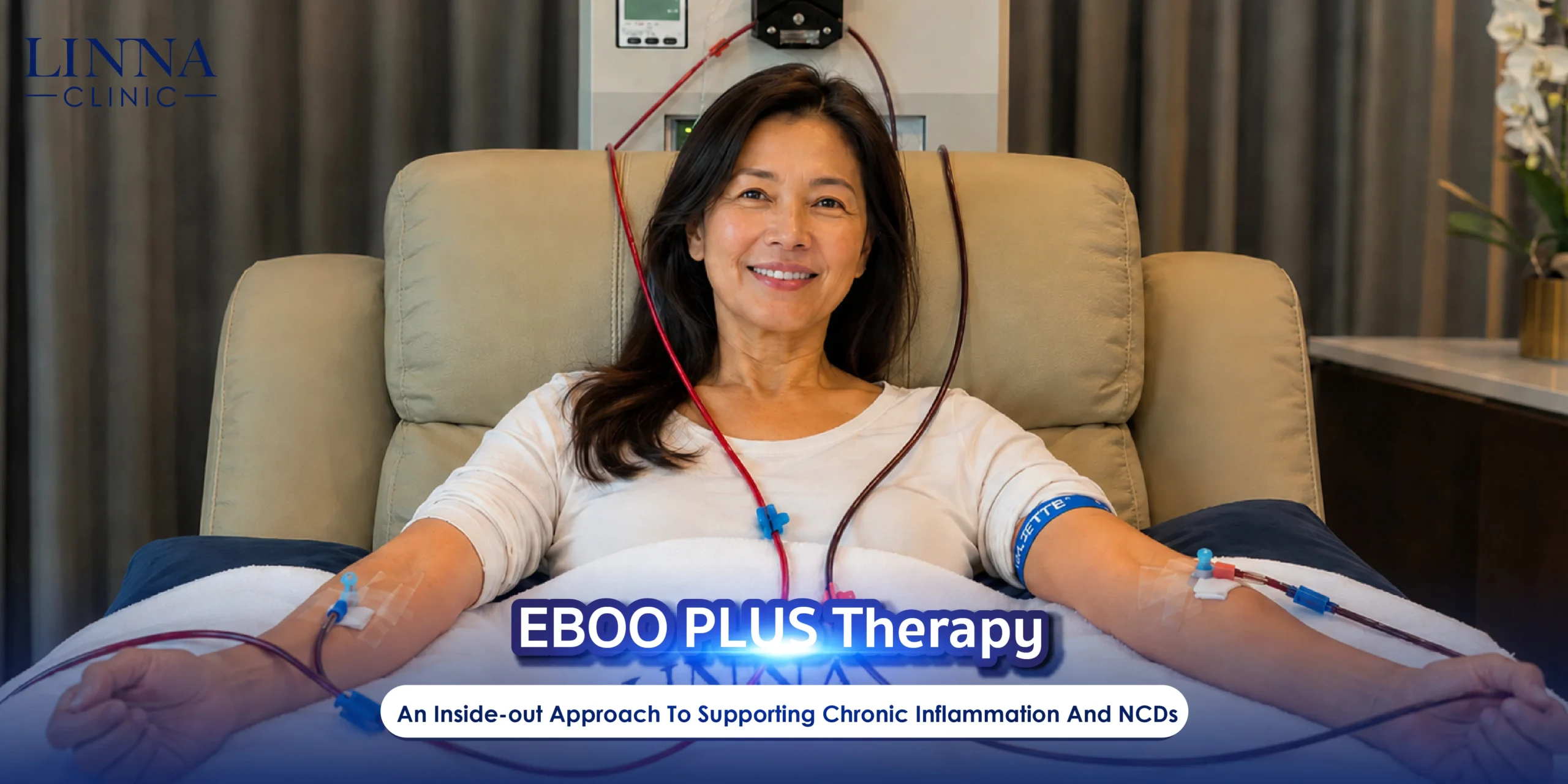
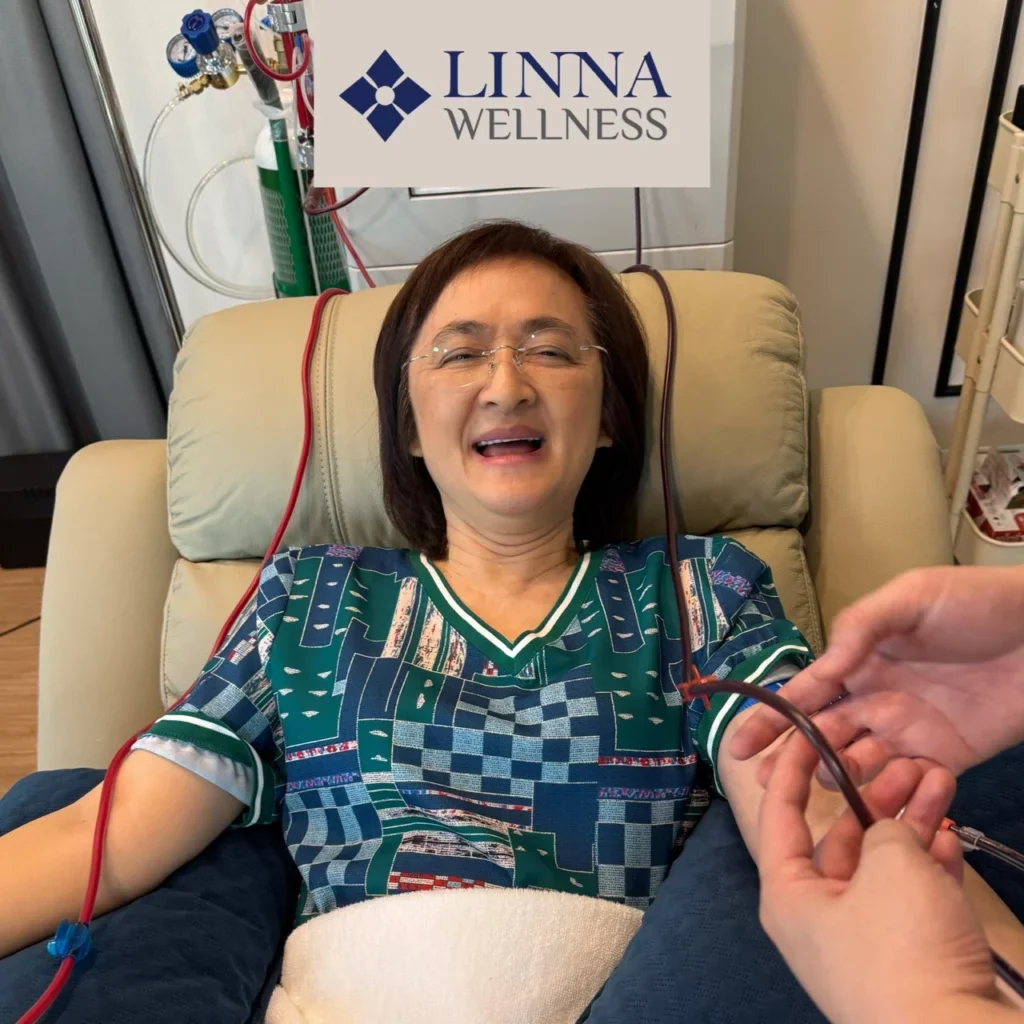
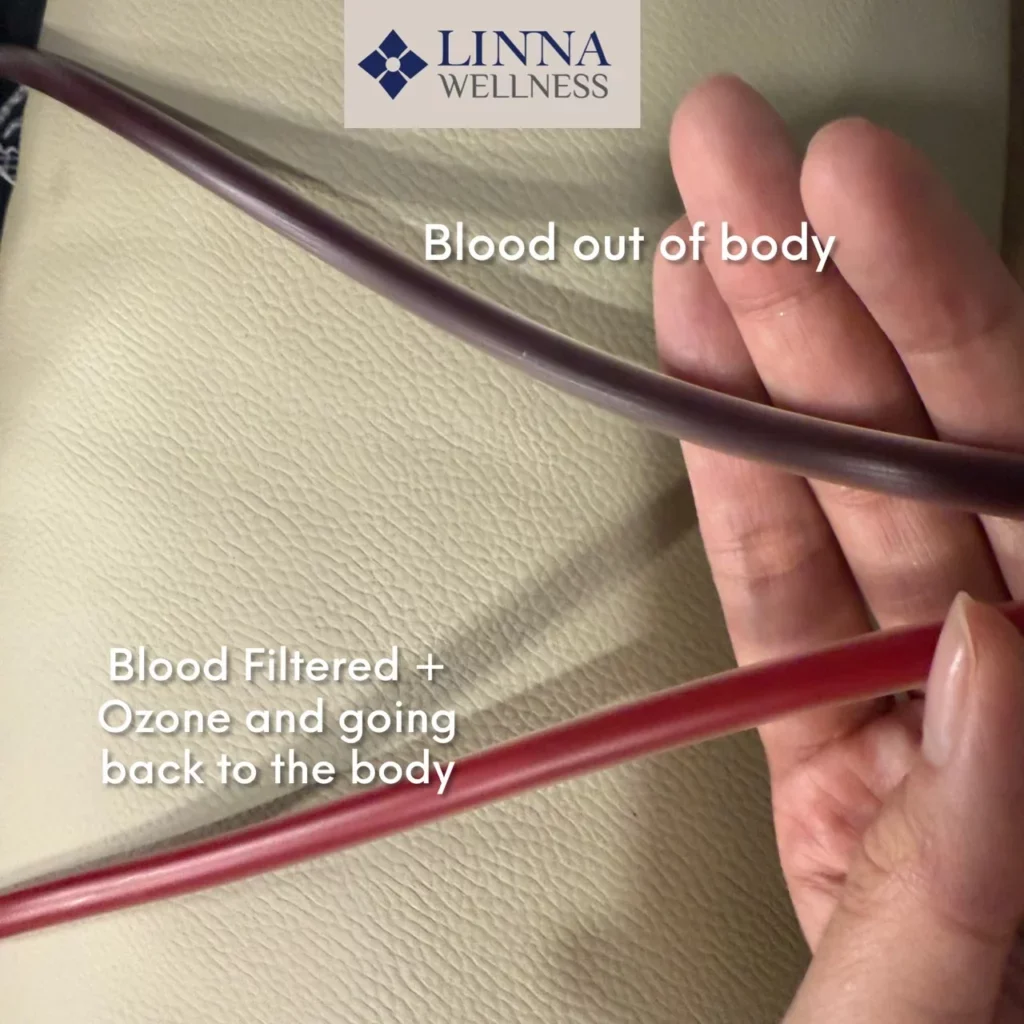
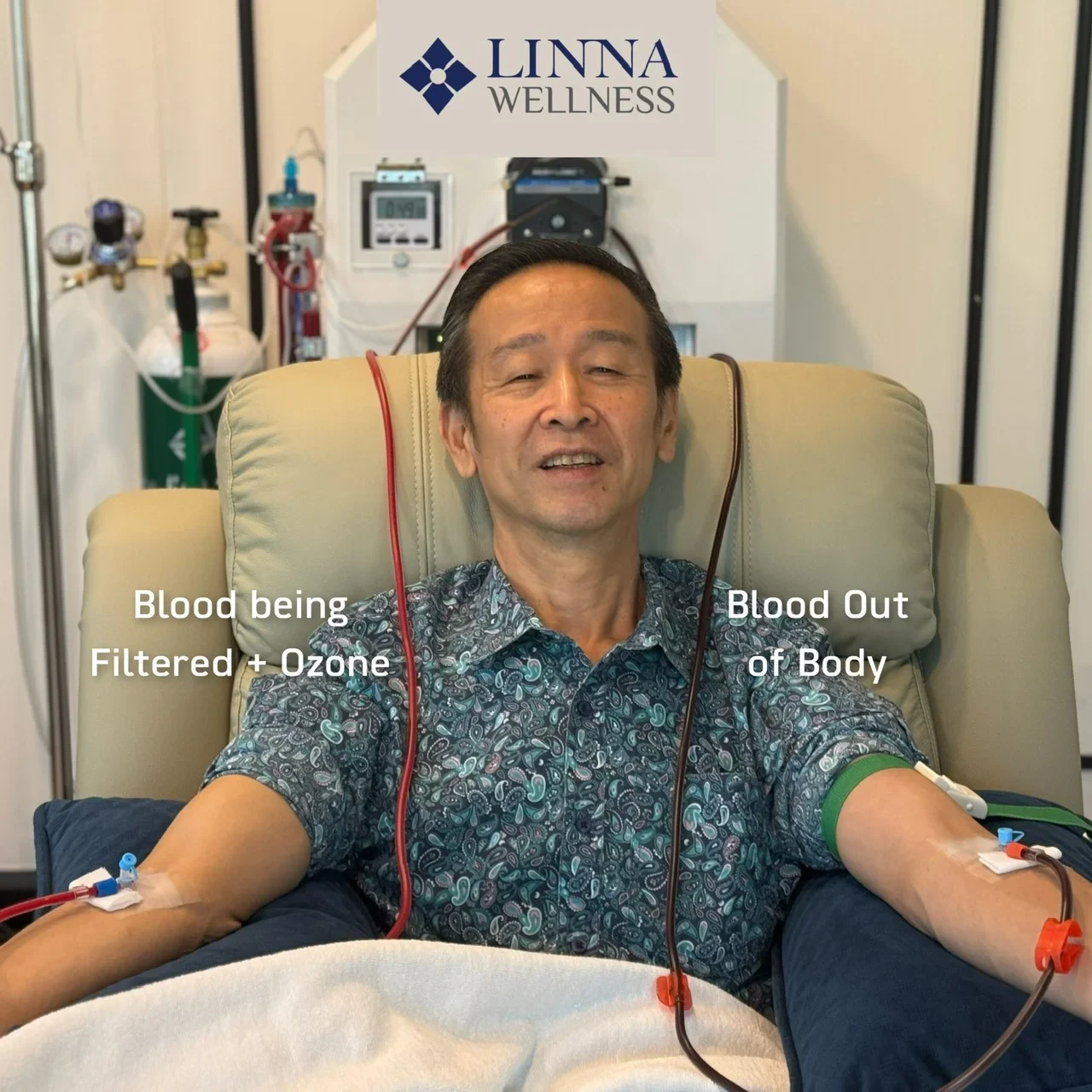
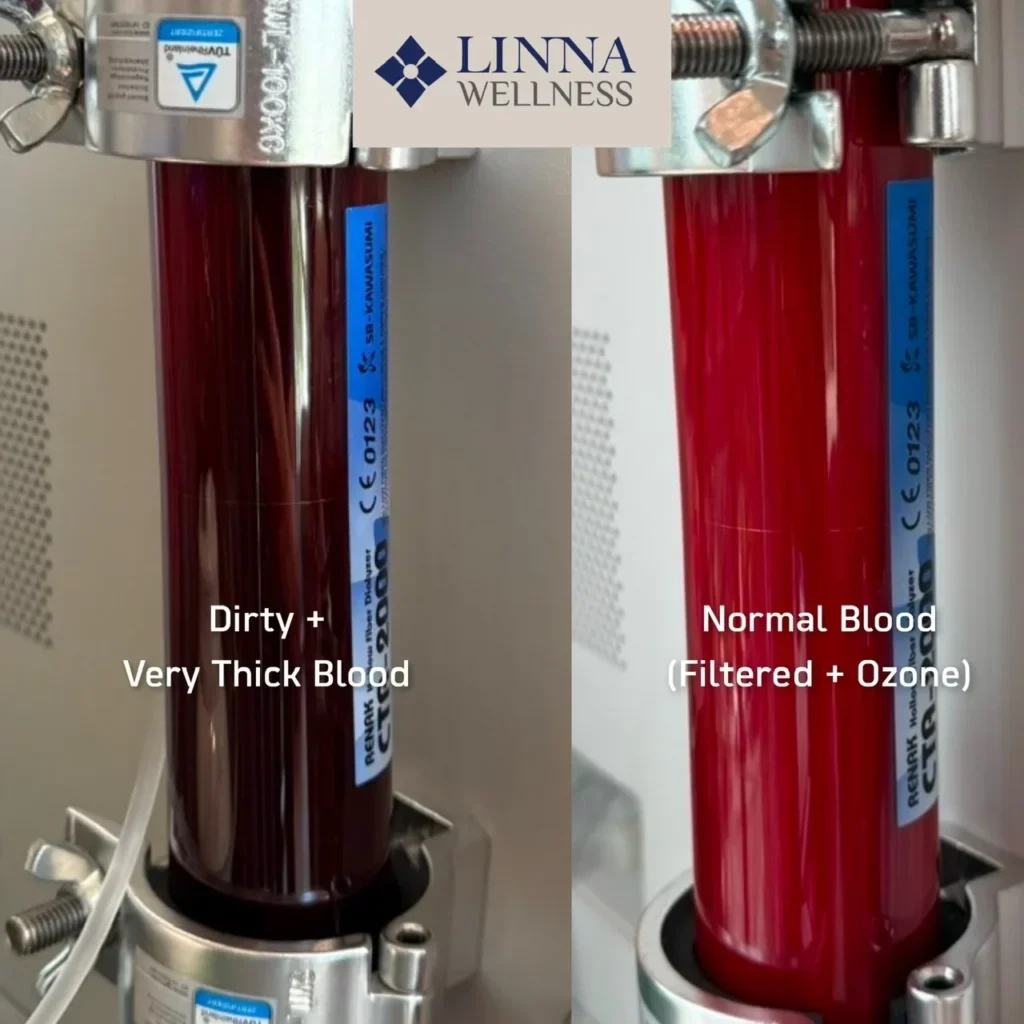
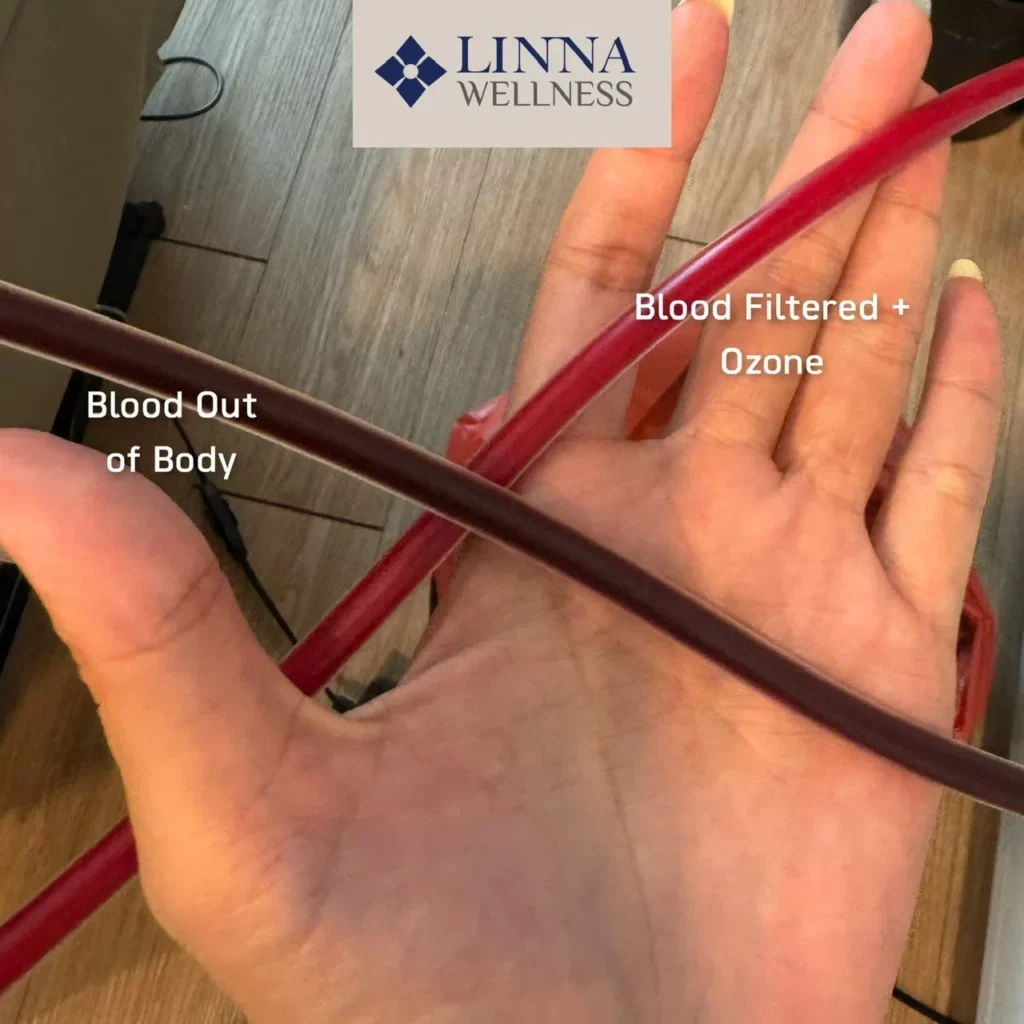
EBOO Therapy (Extracorporeal Blood Oxygenation and Ozonation is a therapy that uses medical ozone mixed with blood outside the body before safely returning it to the body. This process is notable for helping to eliminate toxins, increase blood oxygen, and stimulate the immune system. Currently, EBOO Therapy is recognized as a method that helps restore holistic health while safely and highly effectively balancing the body. However, many people may have questions about the EBOO Therapy process, as well as its results and precautions before receiving treatment. LINNA Clinic has compiled frequently asked questions about EBOO Therapy to provide useful information for those interested in this therapy.
How long does an EBOO Therapy session take?
Generally, the time required for EBOO Therapy is approximately 45-60 minutes per session. This duration may vary depending on blood vessel strength, blood circulation rate, and each individual's ozone response. After completion, patients can return to their daily lives as normal without any downtime.
How often should EBOO Therapy be done?
The frequency of EBOO Therapy depends on the individual's health conditions and goals. In cases where health restoration from chronic conditions is needed, such as chronic fatigue, viral infections, bacterial infections, or chronic inflammation, doctors usually recommend having EBOO Therapy every 2 weeks to allow the body to recover and respond effectively. For individuals with specific illnesses or health conditions requiring specialized rehabilitation, doctors may consider recommending treatment once a week for more pronounced results, and the frequency can be reduced once health improves to a satisfactory level.
How much blood can be filtered in one EBOO Therapy session?
The volume of blood that can be filtered may vary from person to person. However, generally, an EBOO Therapy session lasting approximately 45-60 minutes can filter 20-25% of the total blood volume.
What does EBOO Therapy help with?
- Helps stimulate the immune system and increase blood oxygen levels.
- Reduces chronic inflammation, helps restore cells, and relieves chronic pain.
- Promotes better blood circulation system performance.
- Helps increase cellular energy and relieves chronic fatigue.
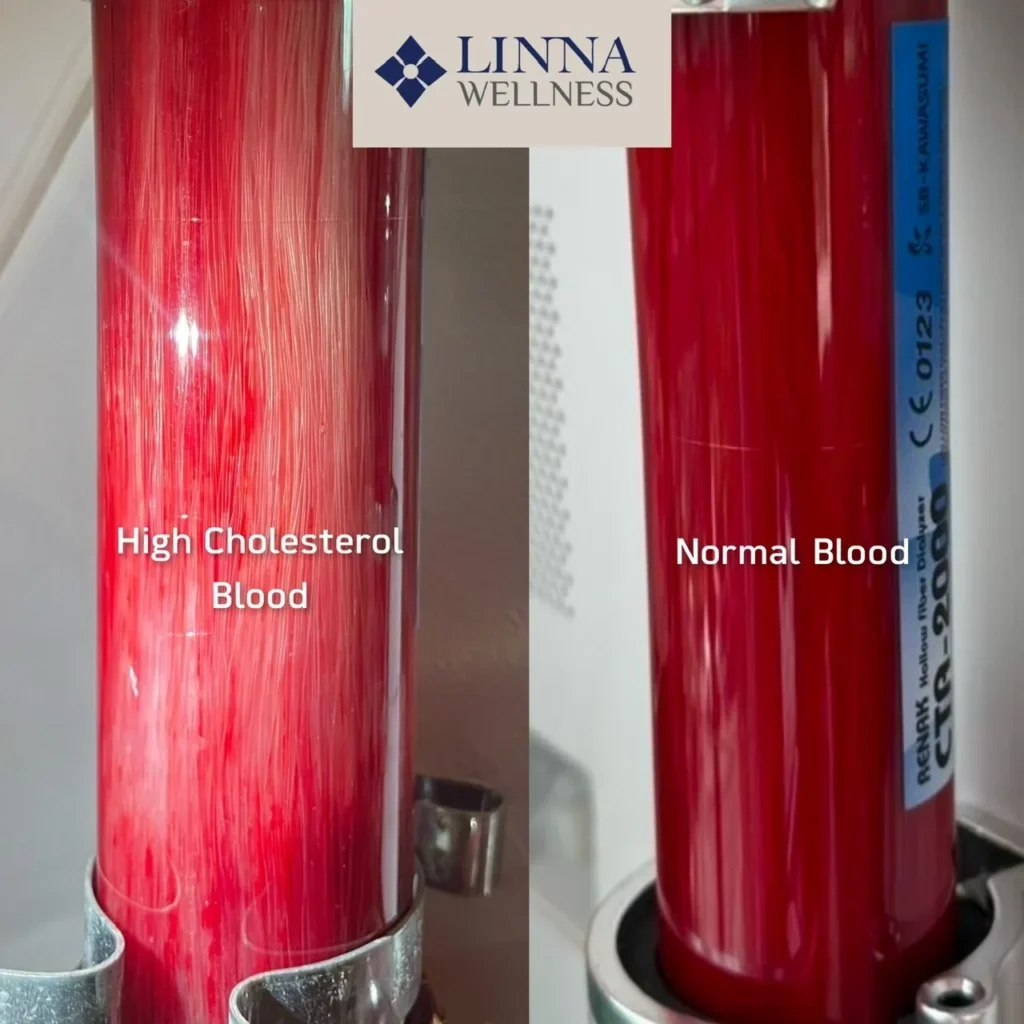
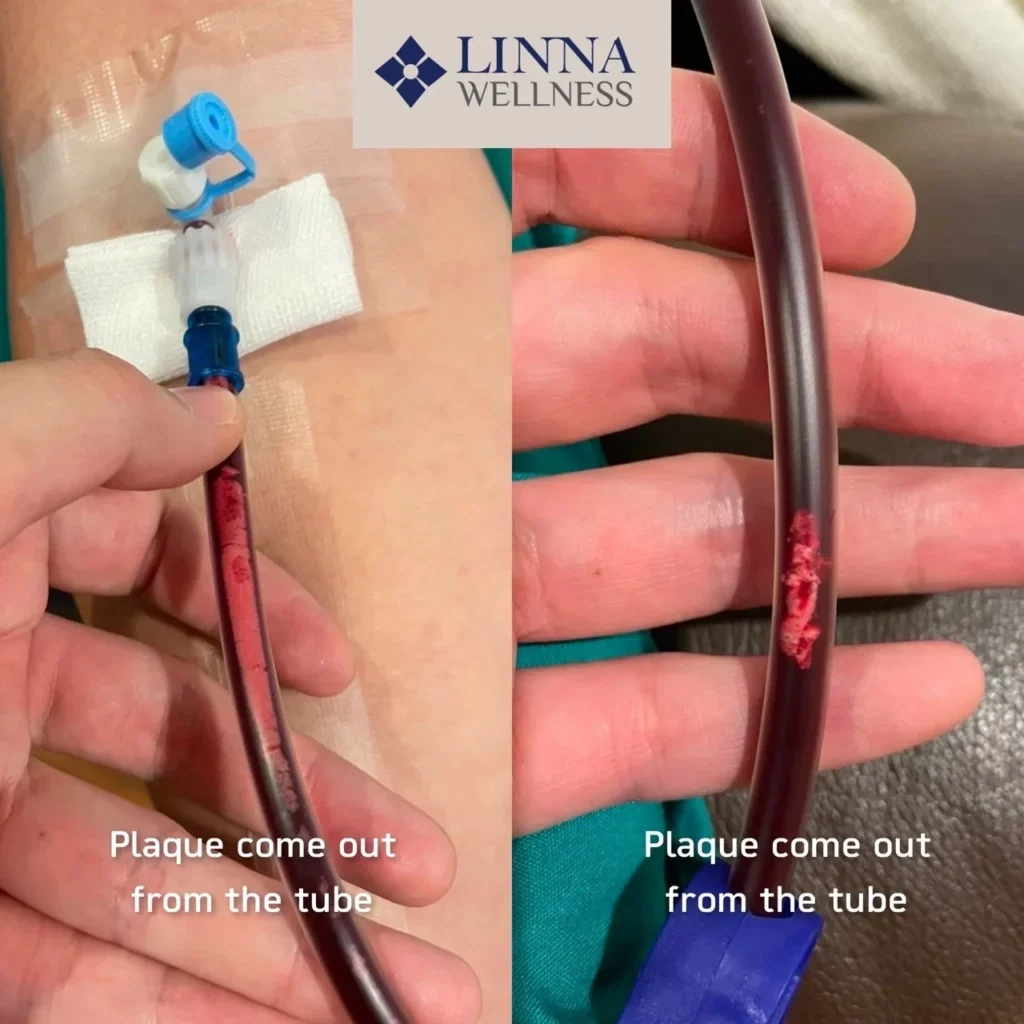
- Helps eliminate toxins and waste from the body.
- Promotes bright, healthy-looking skin.
Can people with anemia undergo EBOO Therapy?
Generally, undergoing EBOO Therapy without specialist supervision is not suitable for individuals with anemia, because this therapy involves drawing blood from the body and returning it, which can directly and indirectly affect red blood cell volume. However, at LINNA Clinic, there are expert physicians who can adjust the ozone therapy process to suit each individual's physical condition. The ozone concentration is continuously controlled at an appropriate level and red blood cell characteristics are monitored in real time, making it possible to safely and effectively administer therapy to patients with anemia or fragile red blood cells.
Are EBOO Therapy machines different at each facility?
Although EBOO Therapy is a widely used therapy technique and the working principles of the machines may be similar, the efficiency of the technology chosen by each medical facility and the experience of the practitioners are crucial factors affecting the efficacy and safety throughout the treatment process. This includes the quality of the motor system and the Ozone Generator, which must be able to stably and accurately control the rate of ozone introduction into the body. It also involves the experience and expertise of the practitioner, from the technique of inserting the IV line into the vein and properly managing incoming and outgoing blood to maintain balanced blood pressure, to determining the ozone concentration and gas flow rate based on health conditions, ensuring patients feel comfortable during the procedure and achieve the best results.
What are the symptoms after undergoing EBOO Therapy?
Feelings after undergoing EBOO Therapy can vary from person to person. Some patients may feel immediately refreshed and more energetic after the procedure, with migraines, dizziness, and vertigo gradually improving. Meanwhile, some may feel no different, or might experience fatigue if they have insufficient water intake or rest. To ensure a smooth and safe therapy process, patients should undergo a detailed physical examination to assess risks before starting, and strictly follow the doctor's recommendations after receiving EBOO Therapy.
How should one prepare before undergoing EBOO Therapy?
- Consult a doctor for a detailed physical evaluation and risk assessment before starting therapy.
- Get sufficient rest, aiming for 6-8 hours of sleep.
- Drink plenty of clean water to stimulate blood circulation.
- Avoid smoking and alcohol consumption for at least 1 day before the procedure.
- Eat a meal at least 30 minutes in advance to help maintain stable blood sugar levels.
- Refrain from taking Vitamin C for 1 day before the procedure, as Vitamin C can reduce the ozone reaction in the body, decreasing the efficacy of EBOO Therapy. You can resume taking it 1 day after the treatment.
How many EBOO Therapy sessions are ideal?
The frequency of EBOO Therapy depends on blood quality and individual health status. If overall health is good without chronic conditions, EBOO Therapy can be performed occasionally for health rejuvenation, such as once a month or every 2-3 months. For those with health issues or circulatory system problems, doctors may increase the frequency of therapy to every 1-2 weeks until health improves to a satisfactory level, and then reduce the sessions accordingly.
Is a headache normal after EBOO Therapy?
Headaches or dizziness after EBOO Therapy can occur in some individuals due to several reasons, such as sensitivity to ozone, post-therapy headaches from insufficient rest, or dehydration in those who drank too little water before starting treatment. These headaches are temporary and usually resolve on their own within 24 hours. Drinking plenty of clean water and getting sufficient rest is recommended to help the body adjust. If the headache does not improve or is accompanied by other symptoms such as nausea, vomiting, dizziness, or fainting, you should consult a doctor immediately.
Can EBOO Therapy be done while fasting?
It is not recommended. Since EBOO Therapy affects blood sugar levels and the circulatory system, undergoing it while fasting—when blood sugar levels are lower than normal—may lead to dizziness, nausea, vomiting, or severe fatigue after the procedure.
Can EBOO Therapy help patients with ischemic stroke?
EBOO Therapy is an alternative supportive therapy that may help rehabilitate patients with ischemic stroke by increasing blood and brain oxygenation, stimulating blood circulation, and reducing inflammation in the body, which benefits the recovery process. However, this therapy is not a direct treatment for ischemic stroke and cannot replace primary medical treatment. Patients should consult their attending physician to assess the risks and ensure that this therapy does not interfere with their current primary treatment plan.
Can healthy individuals without any illnesses undergo EBOO Therapy?
Healthy individuals with no illnesses can also undergo EBOO Therapy for preventive healthcare. This includes those looking to strengthen their immune system, increase oxygen levels in body cells to restore energy, relieve chronic fatigue, and eliminate toxins or waste products from the body. However, the therapy process is only one approach to promote overall health and cannot 100% prevent the occurrence of diseases or illnesses, as the causes of disease depend on many factors.
Can Cancer Patients Undergo EBOO Therapy?
Yes, they can, but patients must be aware of health factors and potential risks, as cancer symptoms can change at any time, whether they undergo EBOO Therapy or not. Ozone therapy helps increase oxygen levels in the body, which can be beneficial for patients since cancer cells typically do not thrive well in high-oxygen environments, helping patients recover faster. In cases where patients experience bleeding from tumors, doctors usually do not recommend undergoing the therapy to reduce the risk of increased bleeding. For safety, cancer patients should consult their attending physician before deciding to undergo EBOO Therapy.
Can I Undergo EBOO Therapy If I Am Taking Blood Thinners?
Those taking blood thinners may need to stop the medication for at least 1 day before undergoing therapy to reduce the risk of abnormal bleeding. However, you should consult your attending physician to assess the risk and physical suitability before receiving therapy. You should not stop taking blood thinners on your own without medical advice.
Can I Undergo EBOO Therapy If I Am Undergoing Hormone Therapy?
Yes, you can. However, as individual responses to therapy may vary, patients should inform the doctor in detail about their information and other hormone-related health conditions to assess risks and appropriately adjust the therapy protocol.
Summary
EBOO Therapy is a treatment technique that offers benefits in both physical recovery for patients and preventive healthcare for healthy individuals. However, those interested in undergoing EBOO Therapy should consult a doctor and undergo a detailed physical evaluation to identify risks and plan a therapy program suitable for their individual health condition. If you are interested in inquiring for more information about Ozone Therapy (EBOO PLUS Technique), you can add Line @linnaclinic or contact us at 063-609-8888. We are ready to take care of every therapy case by physicians with over 12 years of experience and more than 30,000 actual treatment cases.
この記事はLINNA Clinicの医療チームが編集・監修しています。
このプログラムにご興味がありますか?個別のご相談も承ります
LINNA Clinicのチームが、あなたに最適なプログラム選びをお手伝いします。