Hormone Therapy: Restoring Hormonal Balance and Supporting Healthy Ageing from Within
Hormones are chemical messengers produced by the body to regulate the functions of organs and systems throughout the body, from sleep, mood, energy, and metabolism to bone health and reproductive function. As we age, the levels of certain important hormones naturally decline. When these levels fall beyond a certain point, both the body and mind may begin to show noticeable signs. Hormone Therapy is an approach designed to replace or supplement hormones that have declined or become deficient, helping restore hormonal balance and relieve symptoms associated with hormonal changes.
このページの日本語訳はまだ準備中です。以下の内容は英語で表示されています。
Doctor-led assessment
Every program begins with a medical consultation and a comprehensive health assessment.
Certified standards
Licensed clinic, sterile protocols, and medical-grade equipment.
Personalised protocols
The number of sessions and treatment protocol are personalised according to your health condition, goals, and assessment results.
Hormones are chemical messengers produced by the body to regulate the functions of organs and systems throughout the body, from sleep, mood, energy, and metabolism to bone health and reproductive function. As we age, the levels of certain important hormones naturally decline. When these levels fall beyond a certain point, both the body and mind may begin to show noticeable signs.
Hormone Therapy is an approach designed to replace or supplement hormones that have declined or become deficient, helping restore hormonal balance and relieve symptoms associated with hormonal changes.
Why Are Hormones Important?
Hormones function like an internal communication system within the body. Even small changes in hormone levels can have a significant impact on quality of life. Some of the main hormones that commonly become imbalanced with age include:
- In Women — Estrogen and Progesterone levels decline significantly during menopause. This may lead to symptoms such as hot flashes, night sweats, insomnia, mood changes, vaginal dryness, and gradual loss of bone density.
- In Men — Testosterone levels may gradually decline with age, often beginning after the age of 30. Age-related testosterone decline may be associated with symptoms such as fatigue, reduced muscle mass, increased body fat, difficulty concentrating, mood changes, and reduced sexual desire.
What Is Hormone Therapy?
Hormone Therapy (HT) involves replacing or supplementing hormones that have become deficient or declined, with the aim of bringing hormone levels into an appropriate range and supporting normal body function.

What Can Hormone Therapy Help With?
For Women
- Helps relieve menopausal symptoms such as hot flashes, night sweats, and difficulty sleeping
- Helps reduce vaginal dryness and urinary symptoms associated with declining Estrogen levels
- Helps maintain bone density and reduce the risk of Osteoporosis
- May support mood stability and help reduce hormone-related anxiety or depressive symptoms
For Men
- May help improve energy levels and reduce fatigue in appropriately diagnosed individuals
- Supports muscle mass and body composition, particularly when combined with regular exercise
- May help support concentration, memory, and overall mood
- May help restore sexual desire and sexual function in individuals with clinically low Testosterone
- Helps maintain bone density and reduce the risk of Osteoporosis
For Both Men and Women
- Supports healthy ageing and helps manage certain age-related hormonal changes
- May support cardiovascular health in appropriately selected individuals
- May improve sleep quality and overall well-being when symptoms are related to hormonal imbalance
Who Is It Suitable For?
- Women experiencing menopausal symptoms such as hot flashes, insomnia, mood changes, or vaginal dryness
- Women under the age of 40 with Premature Ovarian Insufficiency
- Men experiencing symptoms associated with low Testosterone, such as persistent fatigue, reduced muscle mass, difficulty concentrating, or decreased sexual desire
- Individuals whose blood tests show hormone levels below the appropriate range
- Individuals seeking a medically supervised approach to maintaining long-term health and healthy ageing
Hormone Therapy should always be considered after a medical assessment, particularly for individuals with a history of hormone-sensitive cancers, blood clots, cardiovascular disease, or liver disease.
Treatment Process
- 1. Medical Consultation and Health Assessment — Discuss your symptoms, underlying medical conditions, current medications, and family medical history with the doctor in detail.
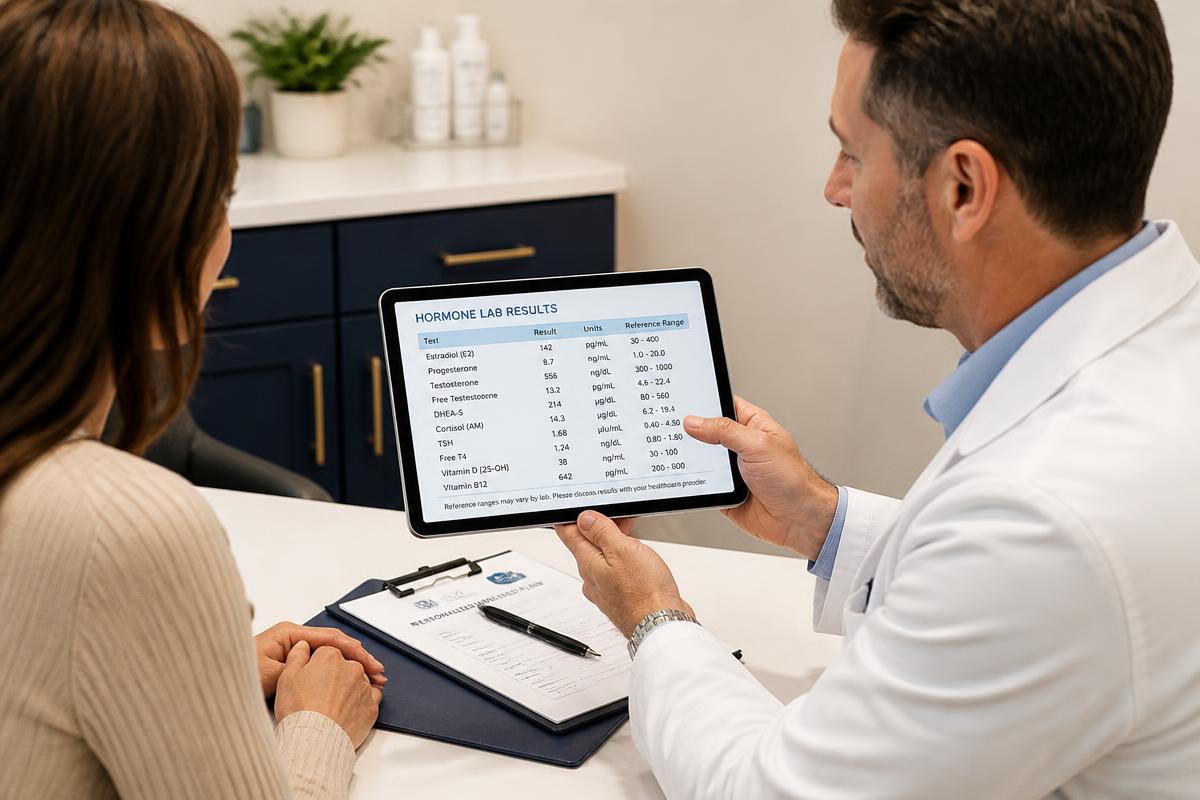
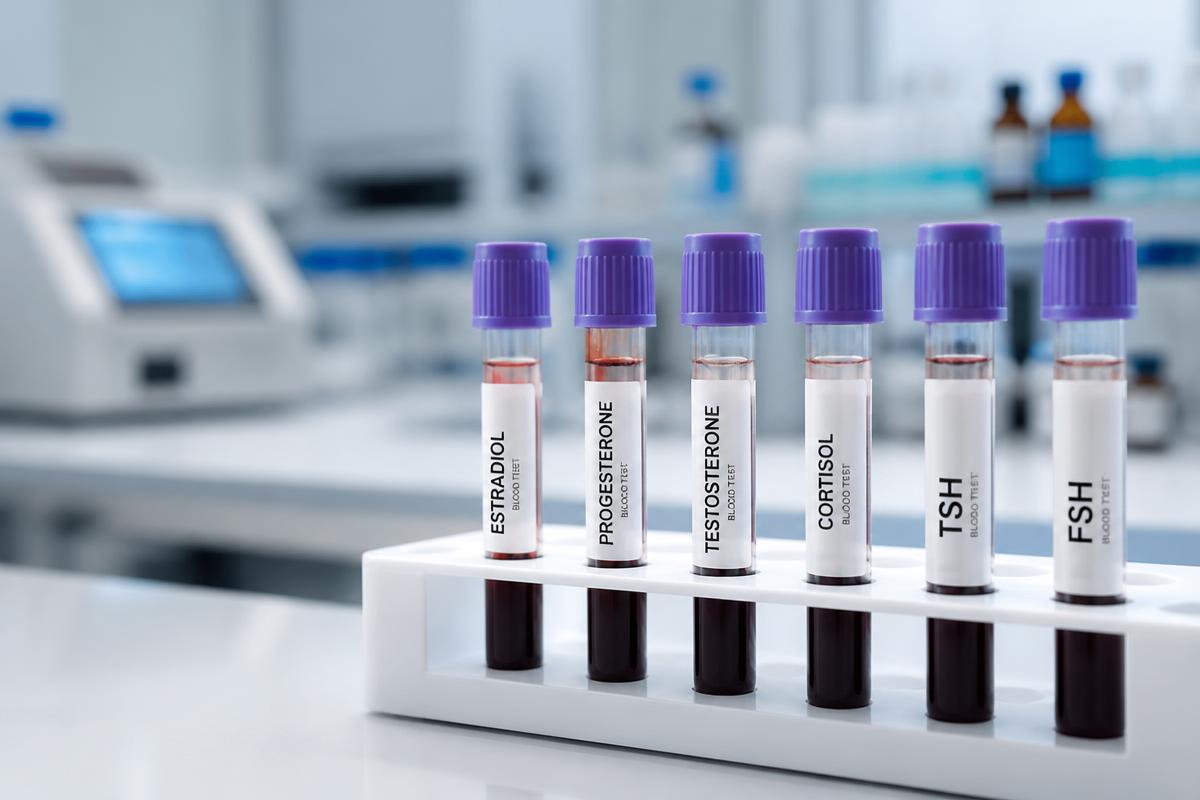
- 2. Blood Tests to Measure Hormone Levels — The doctor may order relevant hormone tests to evaluate your hormonal status and overall health.
- 3. Personalised Treatment Planning — The doctor will determine the most appropriate type, dose, and method of hormone therapy for each individual. Treatment options may include tablets, patches, gels, creams, or injections.
- 4. Begin Treatment and Follow-Up — After treatment begins, regular follow-up appointments and laboratory monitoring may be required to evaluate hormone levels, adjust the dose when necessary, and monitor for potential side effects.

Self-Care During Hormone Therapy
- Take medications or use hormone therapy exactly as prescribed by your doctor. Do not adjust the dosage on your own without medical advice
- Attend follow-up appointments as scheduled to monitor hormone levels and evaluate treatment response
- Maintain regular exercise and a nutritious, balanced diet to support overall health and complement the treatment
- Inform your doctor immediately if you experience unusual symptoms such as pain or swelling in the leg, chest pain, severe headache, or other concerning physical changes
Summary
Hormone Therapy is a medically supervised approach for individuals experiencing hormonal imbalance, whether related to menopause in women, age-related Testosterone decline in men, or other clinically identified hormone deficiencies. When appropriately prescribed, it may help improve symptoms, quality of life, and certain aspects of long-term health. Results vary from person to person. The decision to begin Hormone Therapy should always start with a medical consultation to assess suitability, review potential benefits and risks, and develop a treatment plan tailored to your individual needs.
If you are interested in a consultation about Hormone Therapy, please contact LINNA Clinic at Tel. 063-609-8888, LINE: @linnaclinics, or WhatsApp +66 91-979-9554. Every step is supervised by qualified physicians who are available to provide detailed consultation before you make a treatment decision.
Consultation & pricing
Hormone Therapy treatment is individually planned following a medical assessment. Please contact the LINNA care team for current pricing, available packages, and appointment availability.
- Medical consultation before every program
- Transparent pricing with no hidden fees
- Multilingual patient support in Thai, English, Japanese, Chinese, and Arabic