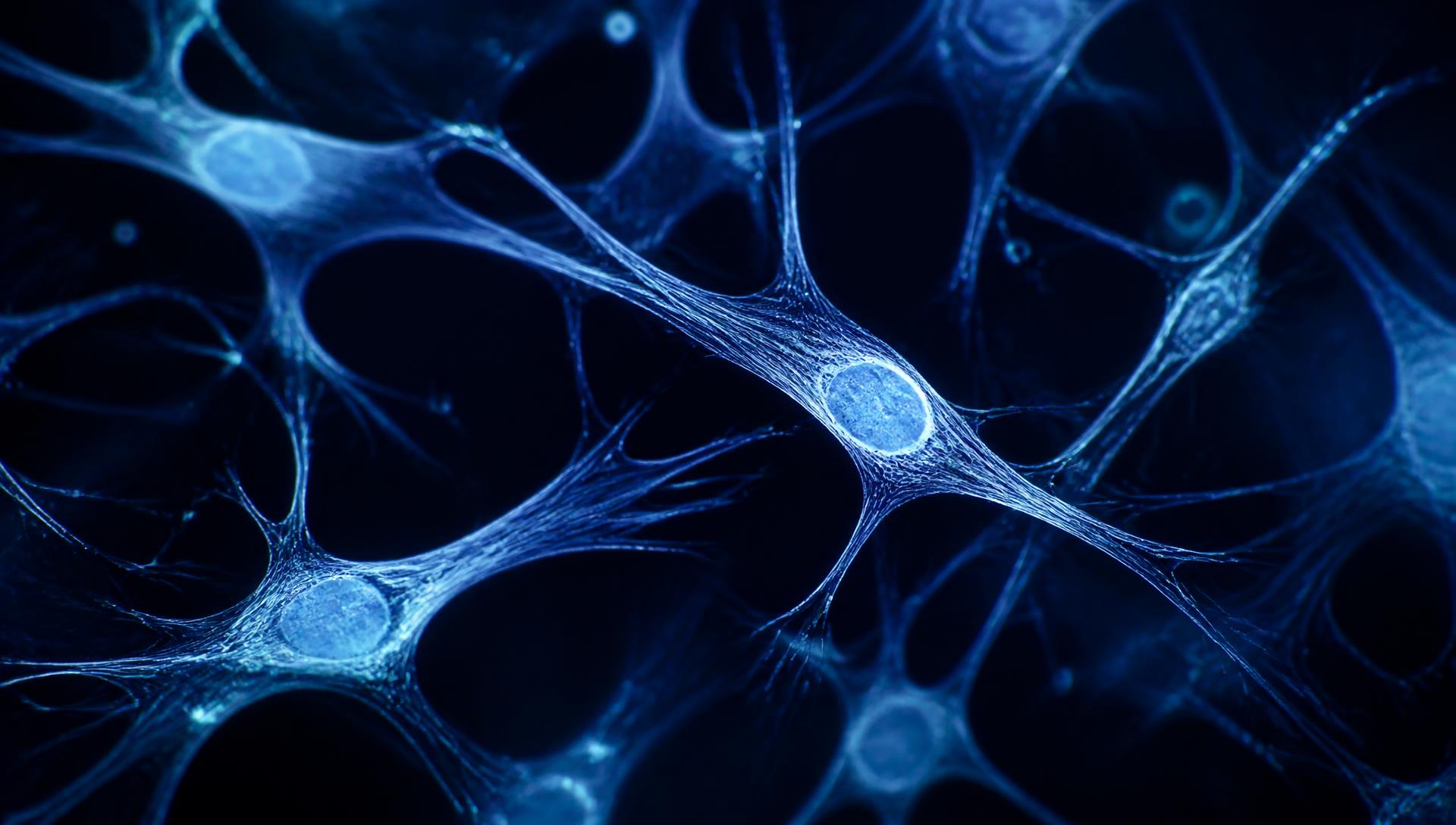
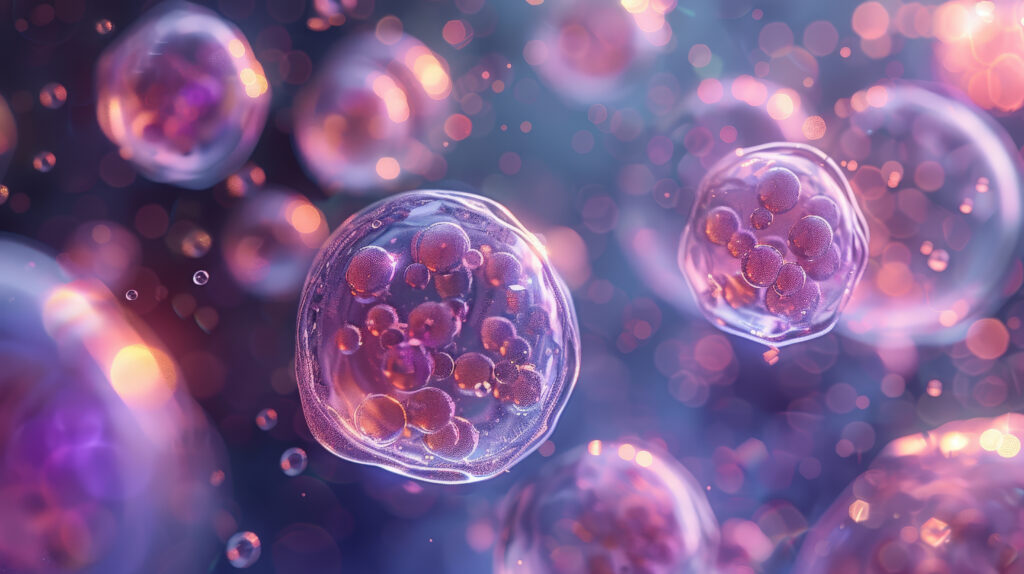
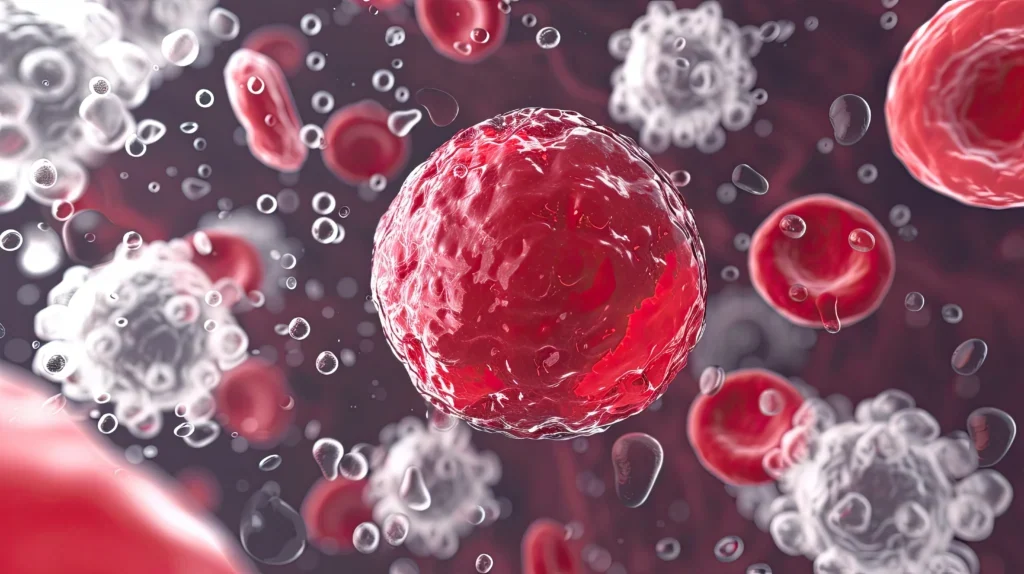
Mesenchymal stem cells under microscopy at LINNA Clinic

Regenerative Medicine

Stem Cell & Regenerative Medicine

LINNA Clinicの幹細胞・再生医療。体のシステムに沿った個別のパスウェイを、管理された医療環境で専門医が提供します。

4
Stem cell programs
MSC
Cell foundation
1:1
Physician-designed
Bangkok
LINNA Clinic

Understanding Cell Therapy and Stem Cells

Essential information to understand before considering a stem cell programme.

What Is Cell Therapy?

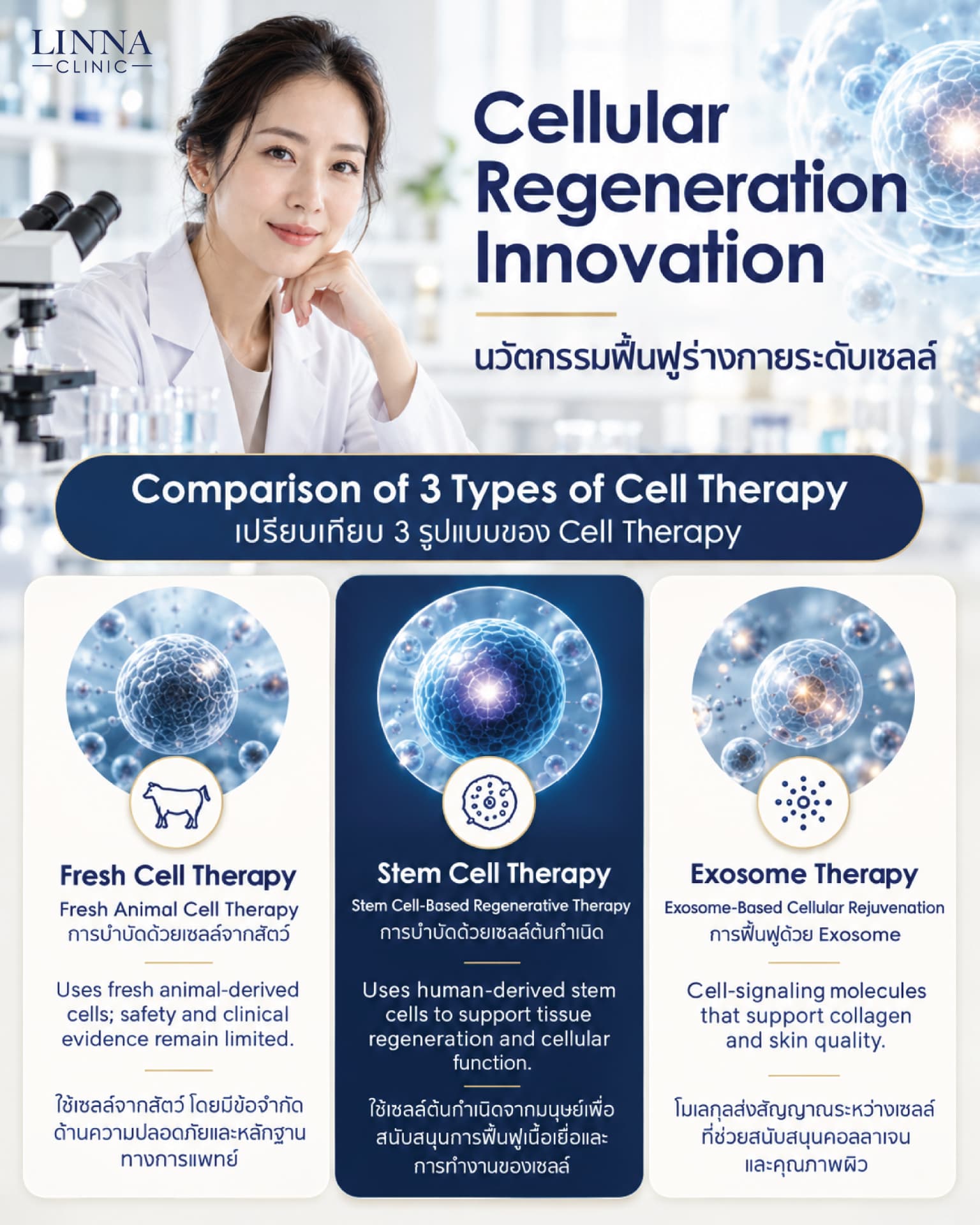
The idea of restoring the body and slowing ageing has been discussed for a very long time under the umbrella of "cell therapy". It began with the injection of fresh cells taken from sheep embryos — an approach known as Fresh Cell Therapy. Although popular at first, it revealed clear safety and legal limitations, which led to the development of newer and safer approaches using stem cells: cells able to renew themselves and to develop into many different specialised cell types in order to repair and restore the body at a deeper level. Stem cells are now studied and applied across health care, longevity medicine and aesthetics.

Cell therapy is a medical innovation for restoring the body: living, intact cells (fresh cells) or substances extracted from cells are introduced into the body in order to stimulate function and renew cells that have deteriorated through age or illness. The main aim is to slow cellular decline so that the body becomes stronger and healthier — not to replace conventional medical treatment.

Cell therapy has developed into several different forms, which differ significantly in evidence, safety profile and regulatory status.

Fresh Cell Therapy

The earliest form of cell therapy (early twentieth century), injecting fresh cells from sheep or cattle embryos into the body in the belief that living, healthy cells would effectively renew deteriorated ones. It was once very popular in Germany and several other countries, but was later found to lack reliable research evidence and medical endorsement, and to carry safety and legal restrictions. It is no longer widely used today.

Stem Cell Therapy

Restoring the body using human stem cells extracted from umbilical cord tissue, adipose tissue, blood, bone marrow or teeth. It relies on their ability to divide and multiply over long periods and to develop into different specialised cell types, helping to renew and stimulate the function of cells in the body. Stem cells are now widely applied in health restoration, aesthetics and longevity medicine, although their use remains under continued research into deeper questions of safety and effectiveness.

Exosome Therapy

This approach does not use living cells directly. It uses exosomes — nano-scale biological particles released by stem cells that carry proteins, enzymes and other biomolecules. Delivered into the skin, they act as messengers between cells, helping to stimulate collagen production, reduce inflammation and strengthen the skin from within. They are popular in aesthetics for improving skin quality and reducing the look of wrinkles and dark spots.

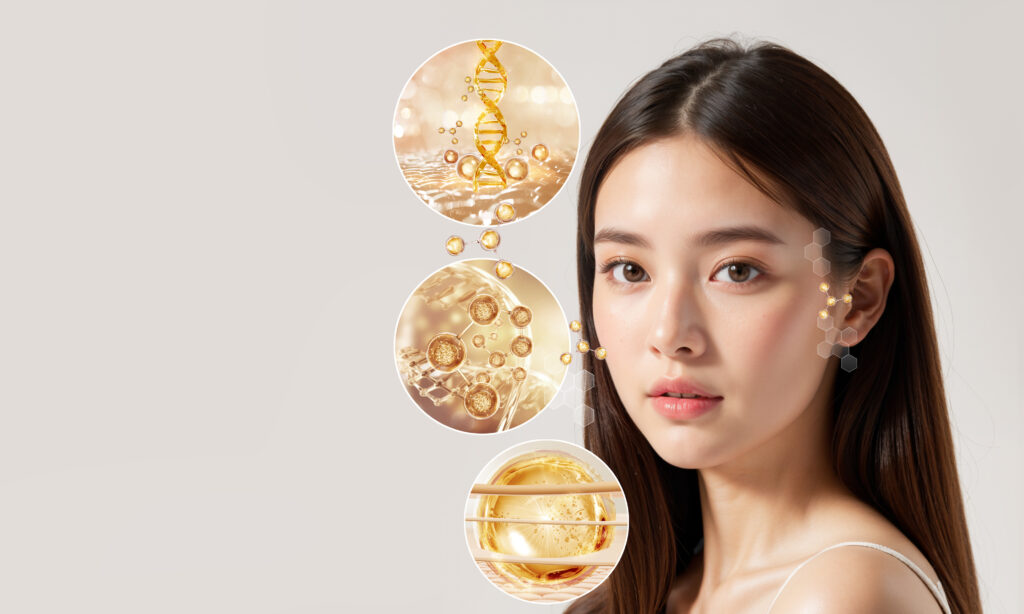
Abstract medical illustration of cell therapy and DNA science

What Are Stem Cells?

Stem cells are immature cells that do not yet have the specific role carried by other cells in the body, and they have two essential properties: self-renewal and differentiation.

In theory, stem cells are seen as the body's template cells, ready to develop into specialised cells when stimulated and to replace older cells that have deteriorated, so that the body can repair itself and return to its normal state. These properties are why stem cells are applied so widely — in medicine, in health care and in longevity and aesthetic medicine.

Because a number of questions still await research results, general medicine holds varying opinions about medical applications. The present situation therefore remains a transitional period in judging how worthwhile the benefits of stem cell use are.

Macro view of regenerating skin cells

Key Properties of Stem Cells

Two properties define a stem cell and explain why it is studied in regenerative medicine.

Self-Renewal

Stem cells can continuously produce new unspecialised stem cells over long periods. They therefore remain fresh cells, held in reserve and ready for the body to use whenever repair is required.

Differentiation

When the body needs to repair or renew worn tissue, stem cells can change into specialised cell types such as blood cells, skin cells, nerve cells, muscle cells, cartilage cells and fat cells.

Sources and Types of Stem Cells

Stem cells come from several different origins, and each type has its own characteristics and potential. The choice therefore depends on the objective of each individual.

Allogeneic Human MSC

Human stem cells from another person — a young donor — screened rigorously for quality and safety so the cells obtained are safe and effective. The most popular source is umbilical cord tissue; cells can also be collected from adipose tissue, blood, placental blood, bone marrow and teeth. The advantages of this type are that the cells closely resemble those in the human body, are young and have not mutated. It suits people who want to restore strength and youthfulness, particularly in older age groups.

Embryonic Stem Cells

Stem cells from an embryo at the blastocyst stage, four to seven days after fertilisation. This type has high potential: it can divide without limit and is ready to transform into every cell type in the body. However, its use may still carry ethical debate and legal restrictions that must be considered carefully.

Organ-Specific MSC

The concept of using MSC that have been developed to be specific to, or targeted at, a particular organ — cartilage, heart, liver or the nervous system — so that restoration and treatment can be as effective as possible. This type represents hope for future medical use, but requires further research and development.

Autologous Stem Cells

Stem cells from the person receiving care, usually collected from blood, bone marrow and adipose tissue. The advantage is good compatibility with the body, reducing the chance of rejection reactions and side effects, with faster recovery.

LINNA Clinic laboratory standards: cord collection, pathogen screening, marker verification, viability testing, hypoxic culture and international lab standards

Applications in Regenerative Care

Cell therapy and stem cells are currently applied in many ways — in regenerative medicine, in longevity medicine and in aesthetics. Individual suitability is always decided by a physician.

Whole-body wellbeing

Stem cells have the property of repairing and renewing worn tissue such as muscle and blood vessels, as well as important organs in the body, so that they can function effectively again.

Older couple dancing at home, illustrating whole-body wellbeing

Skin and aesthetic care

Stem cells are applied to skin and aesthetic care, helping to slow skin ageing, soften the appearance of fine lines and restore skin condition from within.

Skin quality and anti-ageing aesthetic care

Hair and scalp care

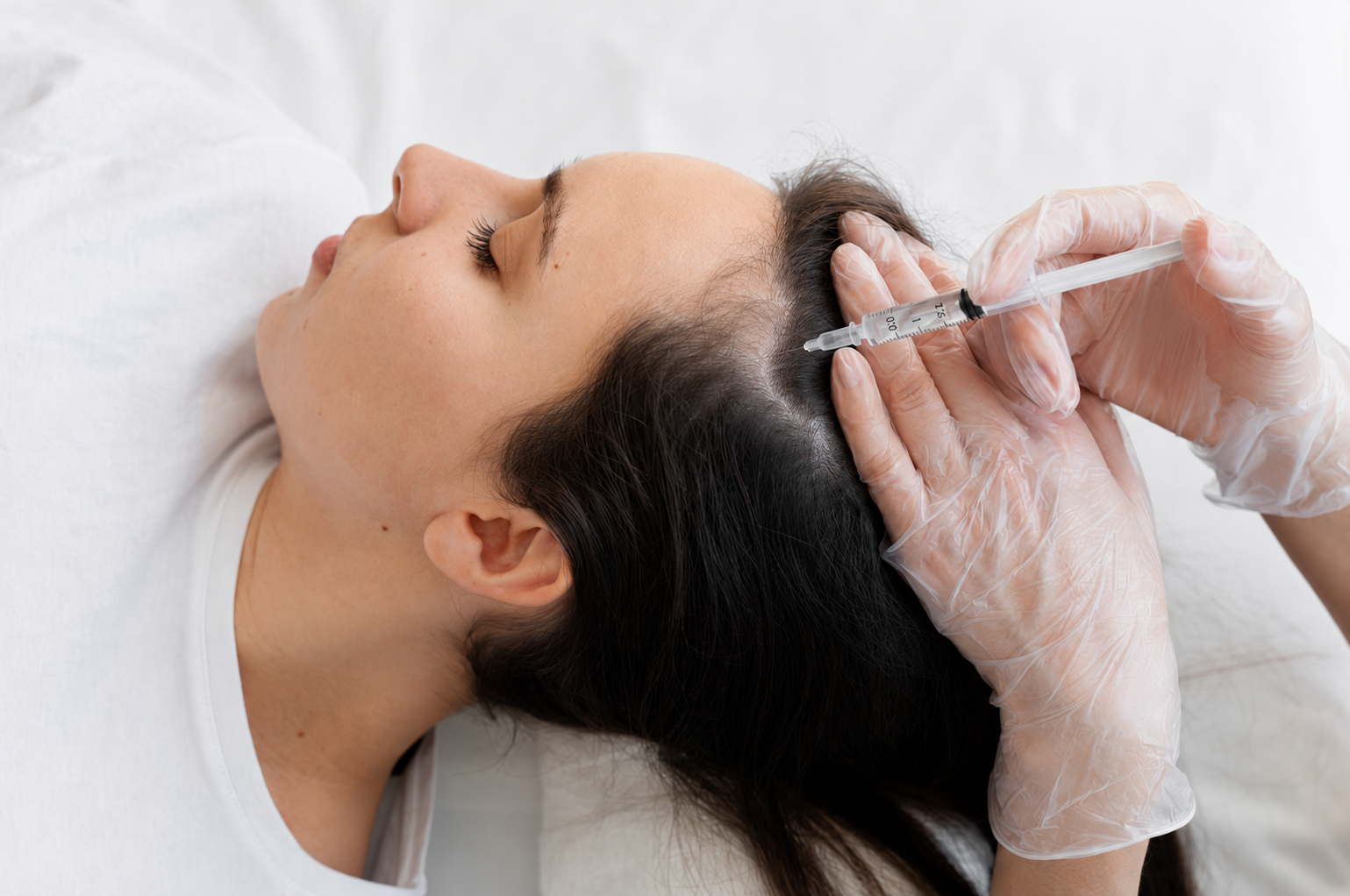
Stem cells also have a role in stimulating the hair follicle, helping to reduce hair loss and thinning so that hair becomes stronger and fuller again.

Scalp treatment for hair and scalp care

Joints, cartilage and nervous system

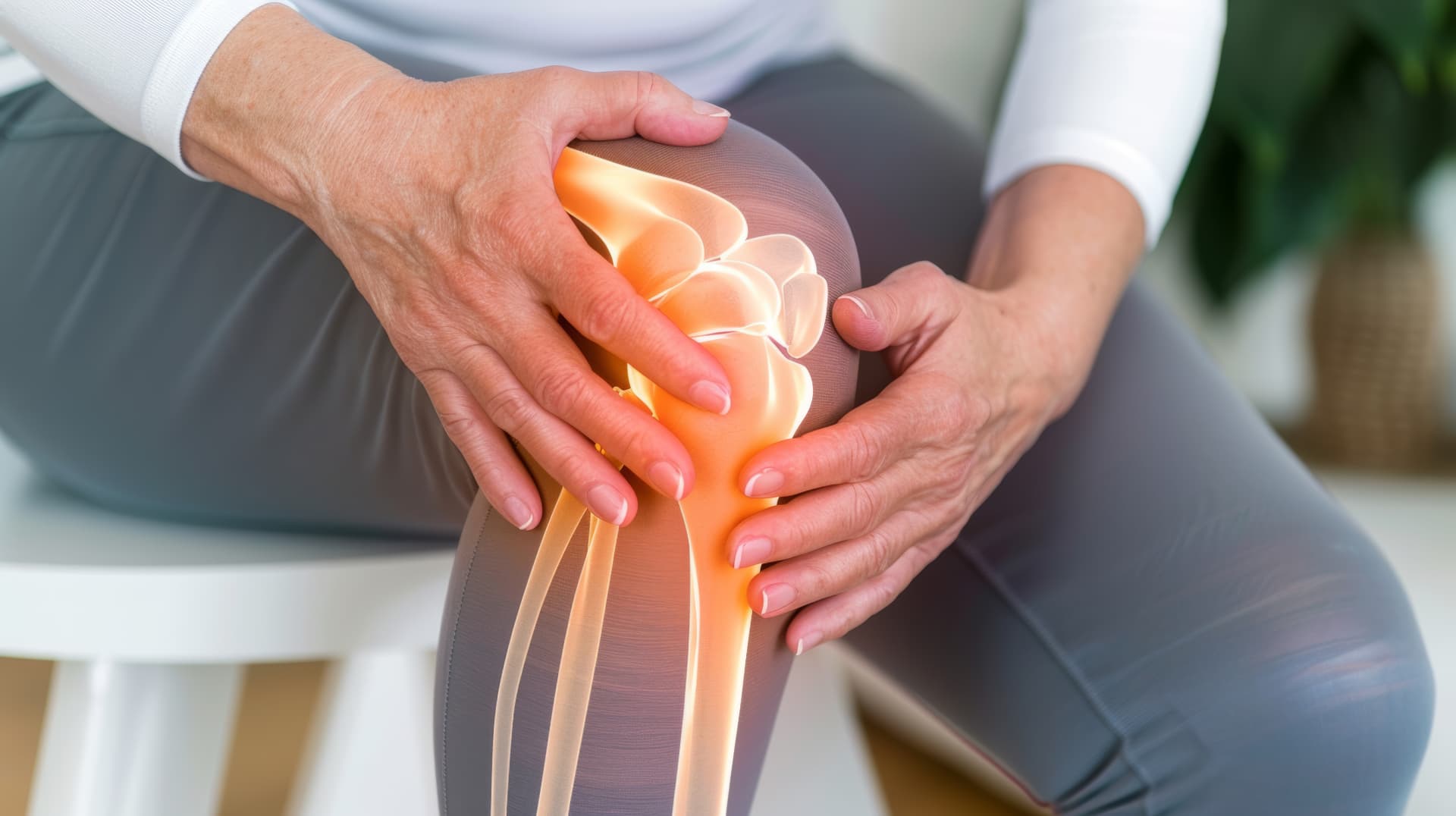
There are ongoing efforts to apply stem cells medically to help restore deteriorated joints or cartilage, and to repair damage to the nervous system. This may benefit people with joint degeneration or chronic injuries that have not responded to medication or other forms of treatment. It remains an area of active medical research and is considered case by case alongside standard care.

Knee joint care, illustrating joints and cartilage support

Benefits of Stem Cells

Stem cells attract wide interest because of their prominent ability to renew and repair cells at a deep level, as follows.

  • Helps repair and restore health from within by replacing specific damaged or deteriorated cells, supporting systems such as the heart, muscles, nervous system, blood vessels and bone to work at full efficiency.
  • May help relieve the symptoms of certain conditions, such as degenerative nervous-system disease, joint degeneration, immune-system disorders and cancer. This is always considered individually and alongside standard medical care.
  • Helps slow the rate at which cells in the body deteriorate, supporting strong health and a fresher appearance for longer.
  • Helps restore a more youthful, healthy-looking complexion with softened lines, supporting collagen and elastin beneath the skin for elasticity and clarity.
  • Helps reduce hair loss and thinning, so that hair becomes stronger and fuller.
  • Raises quality of life, so daily living feels better and confidence improves.

What Is a Stem Cell Passage?

A passage is the number of times cultured stem cells have been transferred to a new vessel in the laboratory so that the cells can continue to divide effectively.

However, as the passage number rises it may affect quality and the characteristics of the cells can change. Most physicians therefore recommend using stem cells with a low passage (P3-P5), which tend to produce better results than high-passage cells because they retain a good ability to divide and adapt, and can develop fully into other specialised cell types.

The passage used in any programme is a laboratory and clinical decision, reviewed by the physician alongside the source material and the plan of care.

Comparison of low-passage and high-passage stem cells

Quality and Medical Assessment

Quality is not a single number. It is the combination of the source material, the laboratory process and the medical review behind every programme.

  • Verified source material with documented screening and handling.
  • Preparation in a standard-compliant laboratory under controlled conditions.
  • A physician-led review of health history, current medication and treatment goals.
  • A written plan discussed with you before anything is scheduled.
LINNA Clinic stem cell quality standards: cord tissue source, xeno-free culture, donor screening and optimised passages

Safety, Limitations and Important Considerations

In general, the use of stem cells is considered safe when carried out under the supervision of a specialist physician, using cells from a quality, standard-compliant source that has been properly verified.

Risk may increase if uncertified stem cells are used, if care is delivered in a facility that does not meet standards, or if the person performing it is not a physician with specific experience — which may lead to complications such as inflammation and severe infection, or results that do not match expectations.

A stem cell programme is a supportive approach that helps restore and rebalance the body. It is not a direct cure for disease and cannot replace standard medical treatment. Outcomes are not guaranteed and differ between individuals.

Stem cell procedures are complex and require high precision, so care should be received only at a standard-compliant clinic with complete medical equipment, using good-quality stem cells at an appropriate passage level, under the close supervision of specialist physicians.

Treatment Intervals and Duration of Results

General information only. Your own protocol is set by the physician who supervises your care.

  • In general, stem cells may be administered every 6-12 months. The frequency depends on the type of cells, the health of the individual and the objective of care. For effectiveness and safety, stem cells should be administered according to the protocol recommended by the supervising physician.
  • Results may last from several months to several years, depending on factors such as the area treated, age, the individual's physical condition, the quality of the stem cells used and self-care afterwards.
  • To maintain good results, receive care at a standard-compliant clinic, use high-quality stem cells, follow your physician's advice strictly, and repeat the programme as recommended by your physician for continuity of results.

Who May Be Considered for Assessment?

Assessment does not mean a programme is suitable. It means a physician will review whether it could be appropriate for you.

  • People who want to restore whole-body health.
  • People with age-related conditions, or a body that has deteriorated with age.
  • People who want to care for their skin and slow ageing, and people with hair loss or thinning hair.
  • People with certain inflammatory and degenerative conditions, such as joint degeneration, rheumatoid arthritis or tissue deterioration.
  • People with blood and immune-system conditions.
  • People with certain heart and vascular conditions.
  • In every case, see a physician for a physical assessment and share your health information in full — illness history, underlying conditions and any drug allergies — so risk can be assessed and the stem cell plan set appropriately and safely for you.

General Preparation and Aftercare

General guidance only. Your own instructions are given by your physician and depend on your individual medical assessment.

Before your programme

  • Have a preliminary health check and share information about underlying conditions and any medication or supplements you are taking, so risk can be assessed before the procedure begins.
  • Consult your physician and state the results you expect from the stem cell programme in advance, so the plan can be arranged appropriately.
  • Stop certain medicines for at least 7 days, such as anticoagulants (as advised by your physician), NSAIDs, immunosuppressants and antibiotics.
  • Avoid activities that risk wounds, and other procedures such as botulinum toxin, fillers, thread lifts and laser treatments, for at least 1-2 weeks.
  • Rest well — sleep 8-12 hours before the procedure — so your body is prepared.
  • Eat nourishing food and avoid fried and fatty food for 2-3 days beforehand.

After your programme

  • Rest sufficiently and avoid heavy work or strenuous exercise for the first 1-2 days.
  • Avoid anti-inflammatory medication (NSAIDs) and steroids for at least 4-6 weeks, so they do not interfere with the work of the stem cells.
  • Drink more clean water to support the body's recovery.
  • Choose nourishing food, especially food that is a source of antioxidants.
  • Avoid smoking and alcohol for at least 3-7 days, as they may disturb the body's recovery process.
  • For at least 3 days avoid outdoor activity with sun exposure, pollution or dust, and places where infection may be present, such as hospitals, health centres and crowded areas.
  • Attend your follow-up appointments so your response can be monitored and reviewed.

Summary

Cell therapy began with Fresh Cell Therapy, injecting fresh cells from animal embryos directly into the body. Although it was once widely popular, it later gained no acceptance in modern medicine because it lacked reliable supporting evidence and carried safety and legal restrictions.

It therefore developed into the use of stem cells, which can divide and change into specialised cells, helping to repair and restore the body more deeply. They are applied to health, longevity and aesthetics, and come in several types such as human stem cells, embryonic stem cells, organ-specific MSC and autologous stem cells.

Stem cell care nevertheless remains under further study to confirm its safety and effectiveness. It is also a complex procedure requiring high precision, so care should be received only at a standard-compliant clinic with complete medical equipment, using good-quality stem cells at an appropriate passage level, under the close supervision of specialist physicians.

At LINNA Clinic every stem cell programme begins with a medical assessment, so the plan reflects your health, your goals and a realistic view of what a regenerative programme can and cannot do.

ISCT Certificate of Membership — our stem cell lab standard
Laboratory standards and memberships: ISO 9001:2015, ISO 13485, CBAL, NEBB and ISCT

Stem cell programmes require individual medical assessment. Suitability, treatment planning and expected outcomes may vary between individuals.

Programs

LINNAの幹細胞プログラム

Chondrogenic MSC at LINNA Clinic — Joint & cartilage systemJoint & cartilage

関節と軟骨のシステム

โปรแกรมดูแลข้อเข่าเสื่อมด้วย Stem Cell (Chondrogenic MSC) คืออะไร? ได้ผลจริงหรือไม่ และข้อควรรู้ก่อนทำ

ภาวะข้อเข่าเสื่อมเป็นปัญหาสุขภาพที่พบได้บ่อย โดยเฉพาะในกลุ่มผู้สูงอายุ ผู้ที่มีน้ำหนักตัวเกิน หรือเกิดจากการใช้งานข้อเข่าอย่างหนักเป็นเวลานาน ส่งผลให้กระดูกอ่อนภายในข้อเริ่มเสื่อมสภาพ ทำให้เกิดอาการปวดข้อเรื้อร…

Vasculogenic MSC at LINNA Clinic — Vascular & circulation systemCirculation

血管と循環のシステム

Vasculogenic MSC นวัตกรรมดูแลหลอดเลือดและระบบไหลเวียนโลหิตด้วยสเต็มเซลล์ เหมาะกับใคร ต้องทำบ่อยแค่ไหน?

ระบบหลอดเลือดเป็นหนึ่งในโครงสร้างสำคัญของร่างกาย ทำหน้าที่ในการลำเลียงเลือด ออกซิเจน และสารอาหารไปหล่อเลี้ยงอวัยวะต่างๆ เพื่อให้ร่างกายทำงานได้เป็นปกติ แต่เมื่ออายุมากขึ้นและปัจจัยกระตุ้นบางอย่าง อาจทำให้ระบบหล…

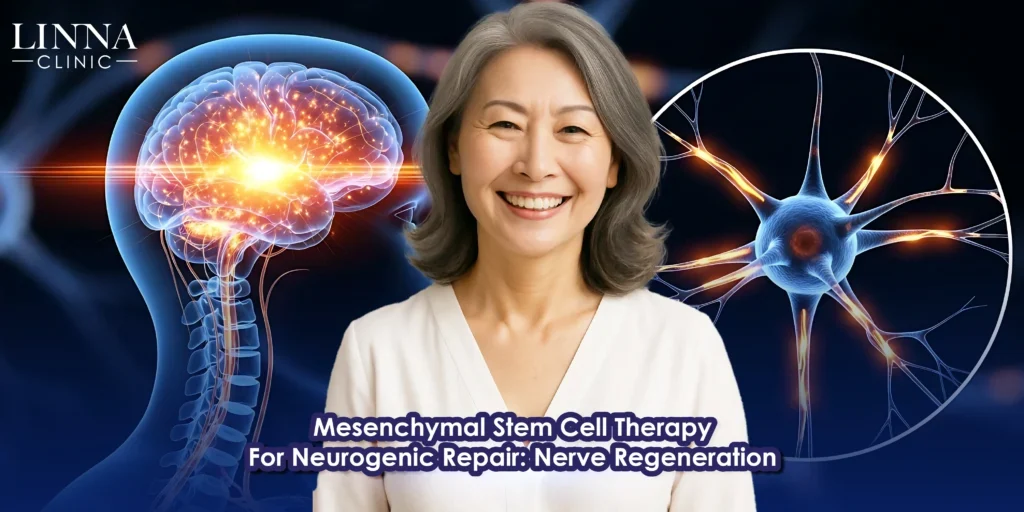
Neurogenic MSC at LINNA Clinic — Brain & nervous systemNeural network

脳と神経のシステム

Neurogenic MSC สเต็มเซลล์เพื่อการฟื้นฟูระบบประสาท เหมาะกับใครบ้าง? พร้อมข้อควรรู้ก่อนตัดสินใจทำ

ระบบประสาท ( Nervous system) เป็นหนึ่งในระบบที่มีความสำคัญอย่างยิ่งของร่างกาย มีหน้าที่หลักในการควบคุมการทำงานของอวัยวะ และระบบต่างๆ ให้อยู่ในภาวะสมดุลและสามารถทำงานได้ตามปกติ อย่างไรก็ตาม ระบบประสาทอาจได้รับผล…

The Science

決める前に知っておきたいこと

細胞の働き

メセンキマル幹細胞は多様な特殊細胞へ分化できるため、LINNAのすべての再生プログラムの基盤となっています。

ラボの基準

すべてのプログラムは管理された医療プロセスの下で行われ、細胞は基準に適合したラボで調製されます。

医師による評価

既製のプログラムはありません。医師が既往歴と検査結果を確認した上で個別プランを設計します。

現実的な期待値

結果は個人によって異なります。医療チームができること・できないことを率直にご説明します。

Patient Journey

ご来院からのステップ

  1. 01

    カウンセリング

    医師と目標・既往歴・適応を確認します。

  2. 02

    検査・評価

    個別プランに必要な診察と検査を行います。

  3. 03

    プログラム設計

    医師が細胞パスウェイ、回数、期間を設計します。

  4. 04

    治療

    管理された医療環境で、監督下に治療を行います。

  5. 05

    フォローアップ

    医療チームと継続的に経過を確認し、プランを調整します。

Our Guests

世界中のお客様が LINNA Clinic を選んでいます

毎日、国内外のお客様が幹細胞・再生医療プログラムのためにご来院されています。

LINNA Clinic guest photo 1
LINNA Clinic guest photo 2
LINNA Clinic guest photo 3
LINNA Clinic guest photo 4
LINNA Clinic guest photo 5
LINNA Clinic guest photo 6
LINNA Clinic guest photo 7
LINNA Clinic guest photo 8
LINNA Clinic guest photo 9
LINNA Clinic guest photo 10
LINNA Clinic guest photo 11
LINNA Clinic guest photo 12
LINNA Clinic guest photo 13
LINNA Clinic guest photo 14
LINNA Clinic guest photo 15
LINNA Clinic guest photo 16
LINNA Clinic guest photo 17

Medical assessment first

評価と料金のお問い合わせ

すべての幹細胞プログラムは医師の評価から始まります。料金は評価結果と治療計画により異なり、LINNAチームより診察日程のご連絡をいたします。

主な目的