What is Plasmapheresis DFPP? A new option for toxin removal and vascular care.
Modern lifestyles have contributed to an increasing risk of various health conditions, including cardiovascular and cerebrovascular diseases, high blood lipid levels, diabetes, and hypertension. These risks may be associated with the accumulation of toxins, fats, and substances that promote inflammation in the body. Such factors can arise from diet, everyday pollution, insufficient physical activity, chronic stress, and inadequate rest. DFPP, or Double Filtration Plasmapheresis, is an advanced two-stage plasma filtration technology designed to support vascular health and provide targeted care from within the body. This article from LINNA Clinic provides essential information about DFPP, including how it works, its potential benefits, who it may be suitable for, its advantages and precautions, and how to prepare before and after treatment. This information can help you make an informed decision before receiving the service.
このページの日本語訳はまだ準備中です。以下の内容は英語で表示されています。
Doctor-led assessment
Every program begins with a medical consultation and a comprehensive health assessment.
Certified standards
Licensed clinic, sterile protocols, and medical-grade equipment.
Personalised protocols
The number of sessions and treatment protocol are personalised according to your health condition, goals, and assessment results.
Modern lifestyles have contributed to an increasing risk of various health conditions, including cardiovascular and cerebrovascular diseases, high blood lipid levels, diabetes, and hypertension. These risks may be associated with the accumulation of toxins, fats, and substances that promote inflammation in the body. Such factors can arise from diet, everyday pollution, insufficient physical activity, chronic stress, and inadequate rest.
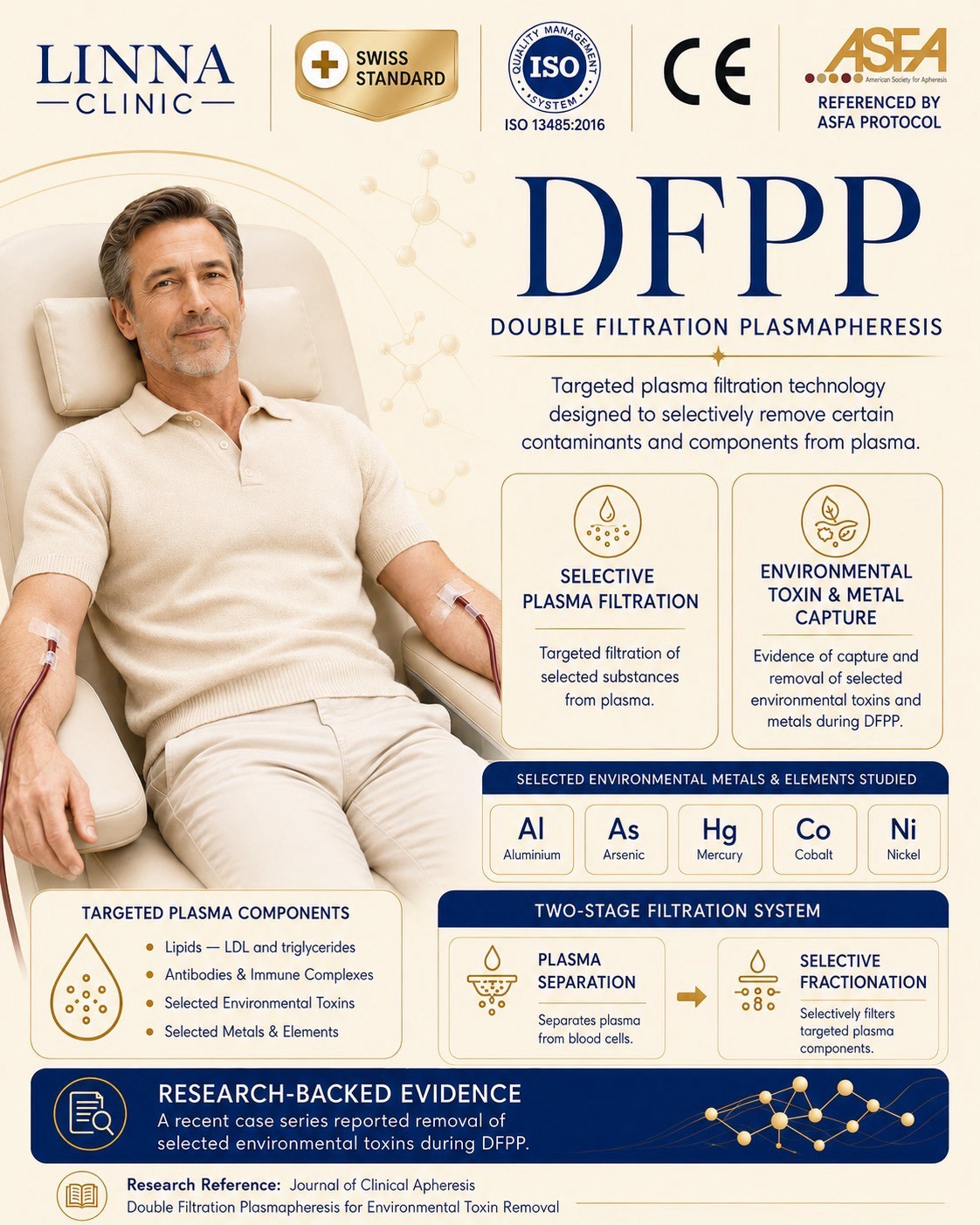
DFPP, or Double Filtration Plasmapheresis, is an advanced two-stage plasma filtration technology designed to support vascular health and provide targeted care from within the body.
This article from LINNA Clinic provides essential information about DFPP, including how it works, its potential benefits, who it may be suitable for, its advantages and precautions, and how to prepare before and after treatment. This information can help you make an informed decision before receiving the service.
What Is Plasmapheresis?
Plasmapheresis is a blood filtration procedure that uses a specialised filtration system to separate plasma from blood cells and reduce the amount of unwanted substances in the blood. These substances may include low-density lipoprotein cholesterol, commonly known as LDL or “bad” cholesterol, triglycerides, abnormal antibodies or immune-stimulating substances, and proteins associated with inflammation.
Once the filtration process is completed, the filtered plasma is returned to the body. This process may help improve blood composition while supporting balance within the immune system.
The two commonly used types of plasmapheresis are:
- Conventional Plasmapheresis or Therapeutic Plasma Exchange (TPE): Plasma is separated and removed from the blood, then replaced with donor plasma or a replacement solution.
- Double Filtration Plasmapheresis (DFPP): Plasma passes through two filtration stages to remove selected unwanted substances. The filtered plasma, blood cells, and other essential components are then returned to the body without necessarily requiring external plasma replacement.

What Is the DFPP Technique?
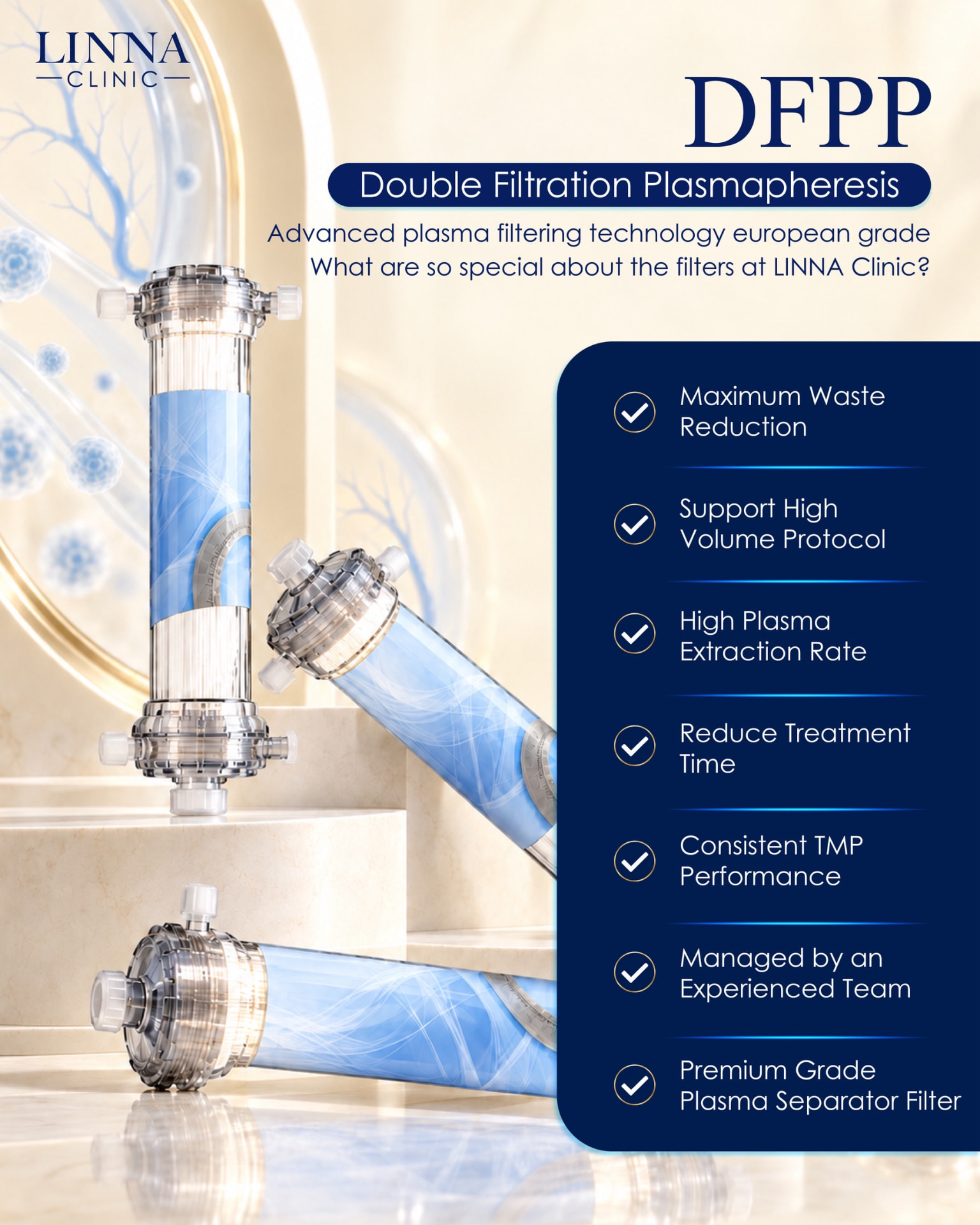
Double Filtration Plasmapheresis, or DFPP, is a type of plasmapheresis that filters plasma through two separate stages.
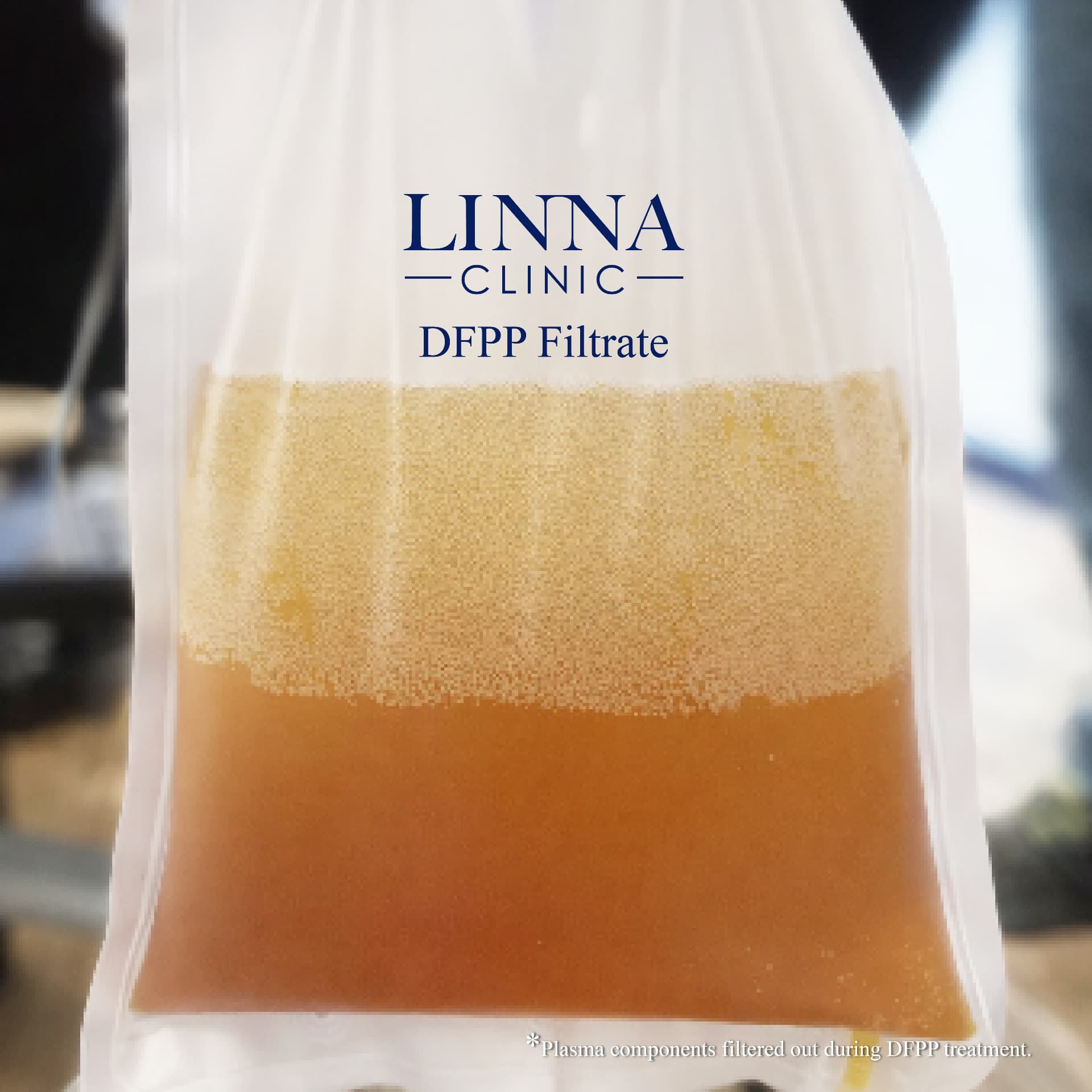
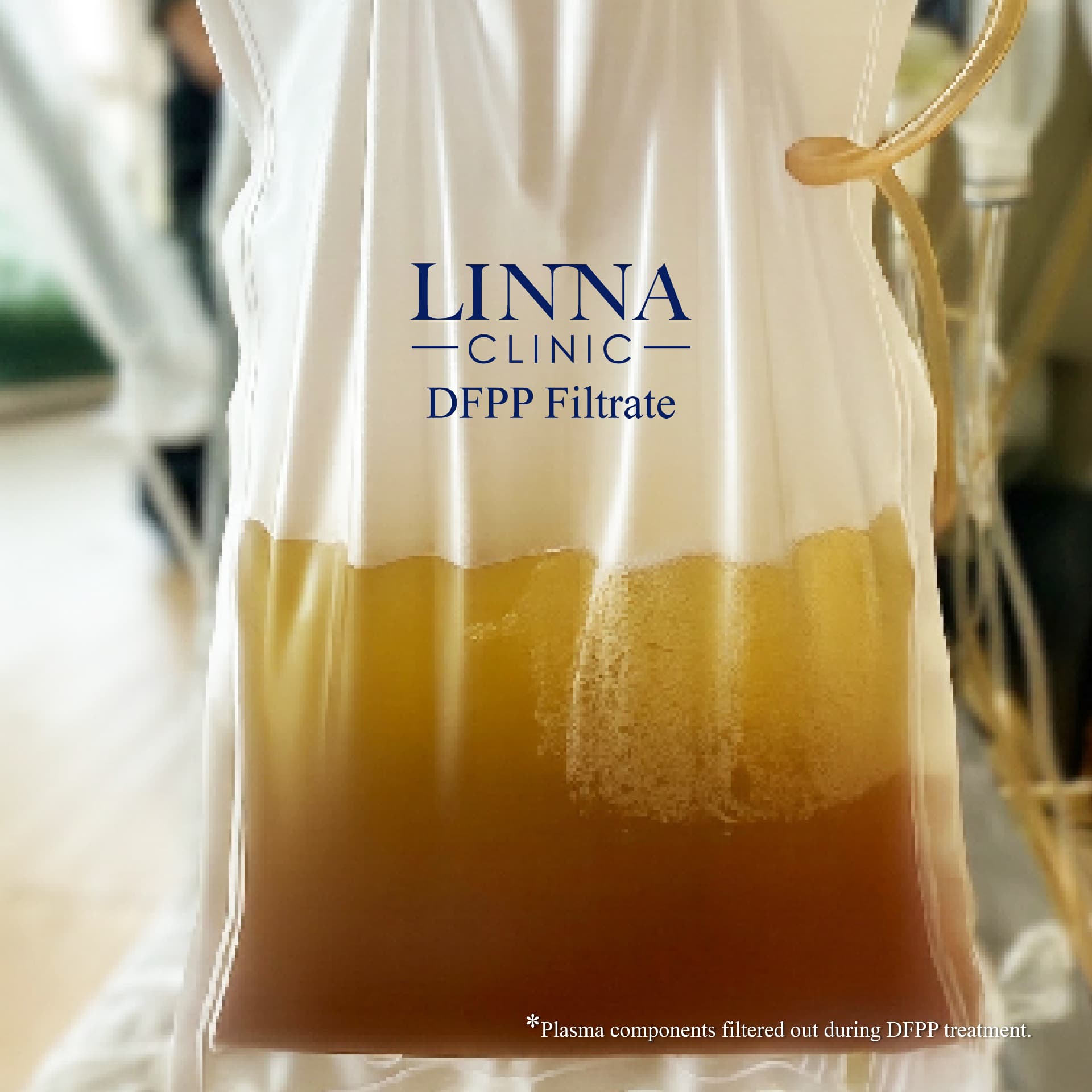
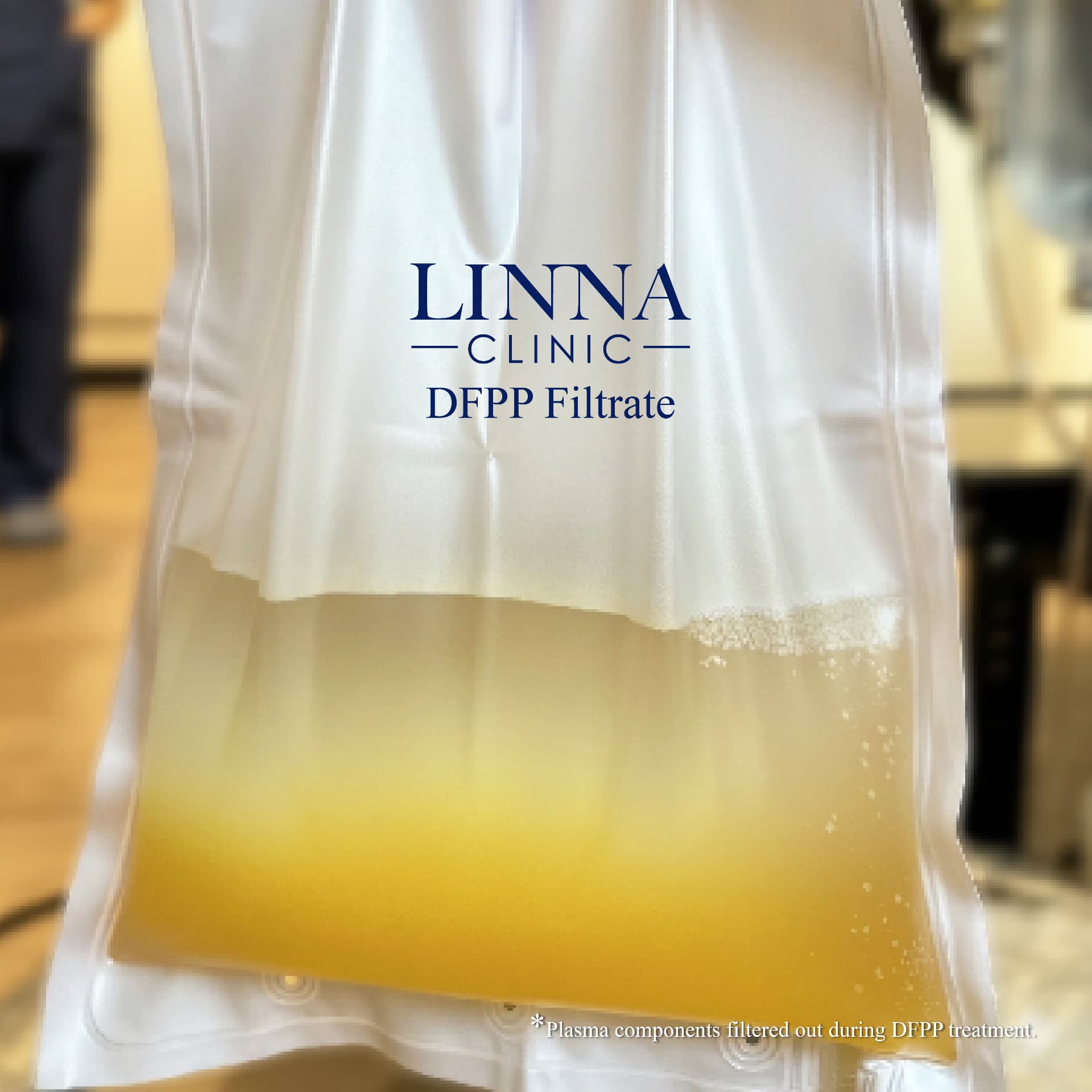
During the first filtration stage, plasma is separated from the blood cells. The separated plasma is then passed through a second specialised filter designed to selectively remove unwanted substances such as excess lipids, viruses, allergens, abnormal antibodies, and proteins associated with inflammation.
The filtered plasma, blood cells, and essential proteins are then returned to the body.
Because DFPP selectively filters the plasma, it may help minimise the loss of essential proteins and reduce risks associated with the use of replacement plasma.
DFPP may be categorised into two types according to the blood and plasma flow rates used:
- Low-Flow DFPP: Plasma is filtered through a standard peripheral vein without requiring a large vascular catheter. This procedure may be performed in a hospital or properly equipped medical clinic. It may be suitable for individuals who want to manage high blood lipid levels or gradually reduce inflammatory substances.
- High-Flow DFPP: This method uses a higher blood-flow rate to remove abnormal substances or excess lipids from the blood more rapidly. It may be considered for individuals with very high blood lipid levels or severe inflammatory conditions who require a more intensive procedure. Because the procedure may require access to a major blood vessel in the neck, it must be performed in a fully equipped hospital under close supervision by an experienced medical and nursing team.

How Does DFPP Work?
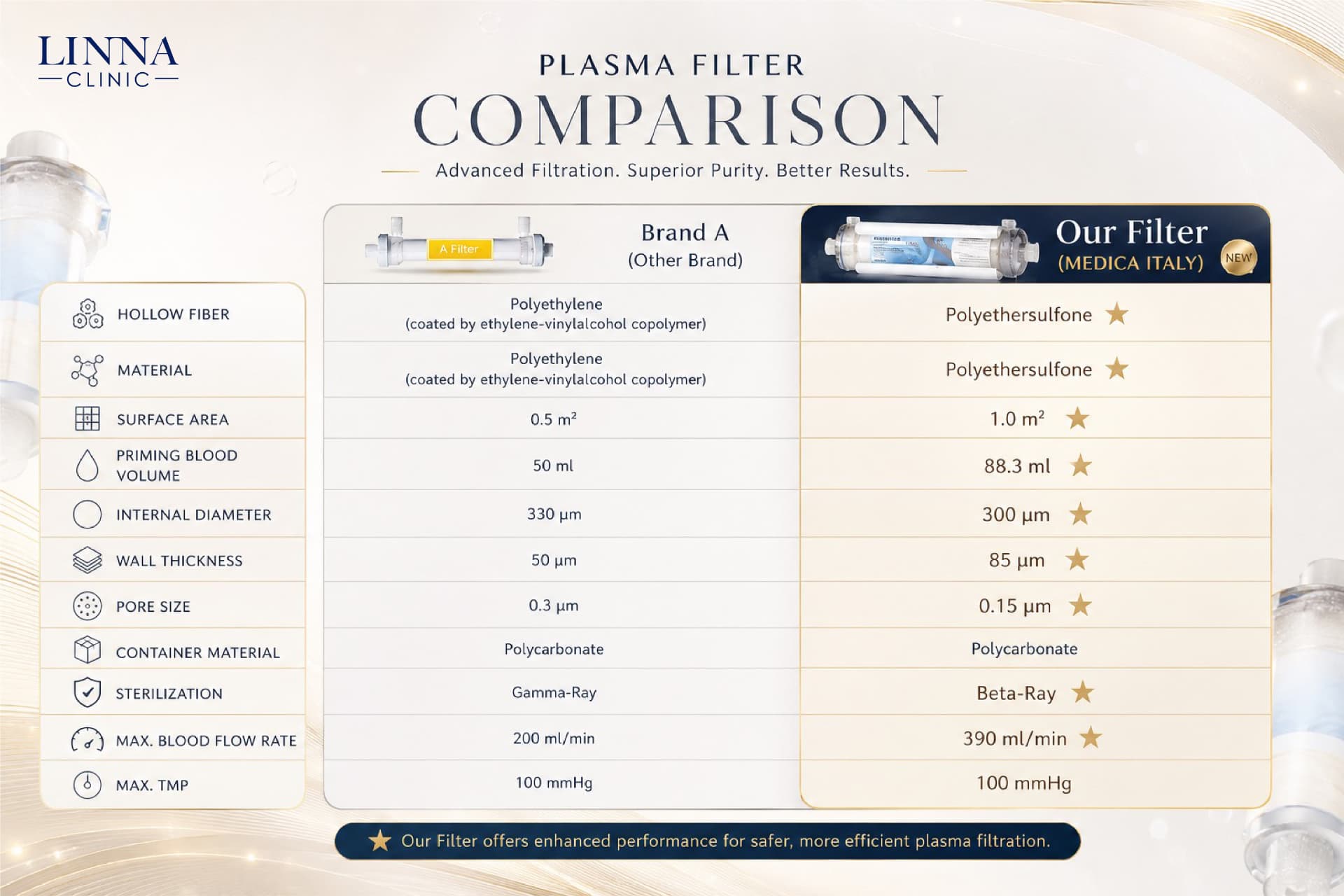
- A medical professional accesses the patient’s bloodstream at an appropriate site. The blood is then passed through the first filter, known as Primary Filtration, which separates the plasma from the cellular components of the blood, including red blood cells, white blood cells, and platelets.
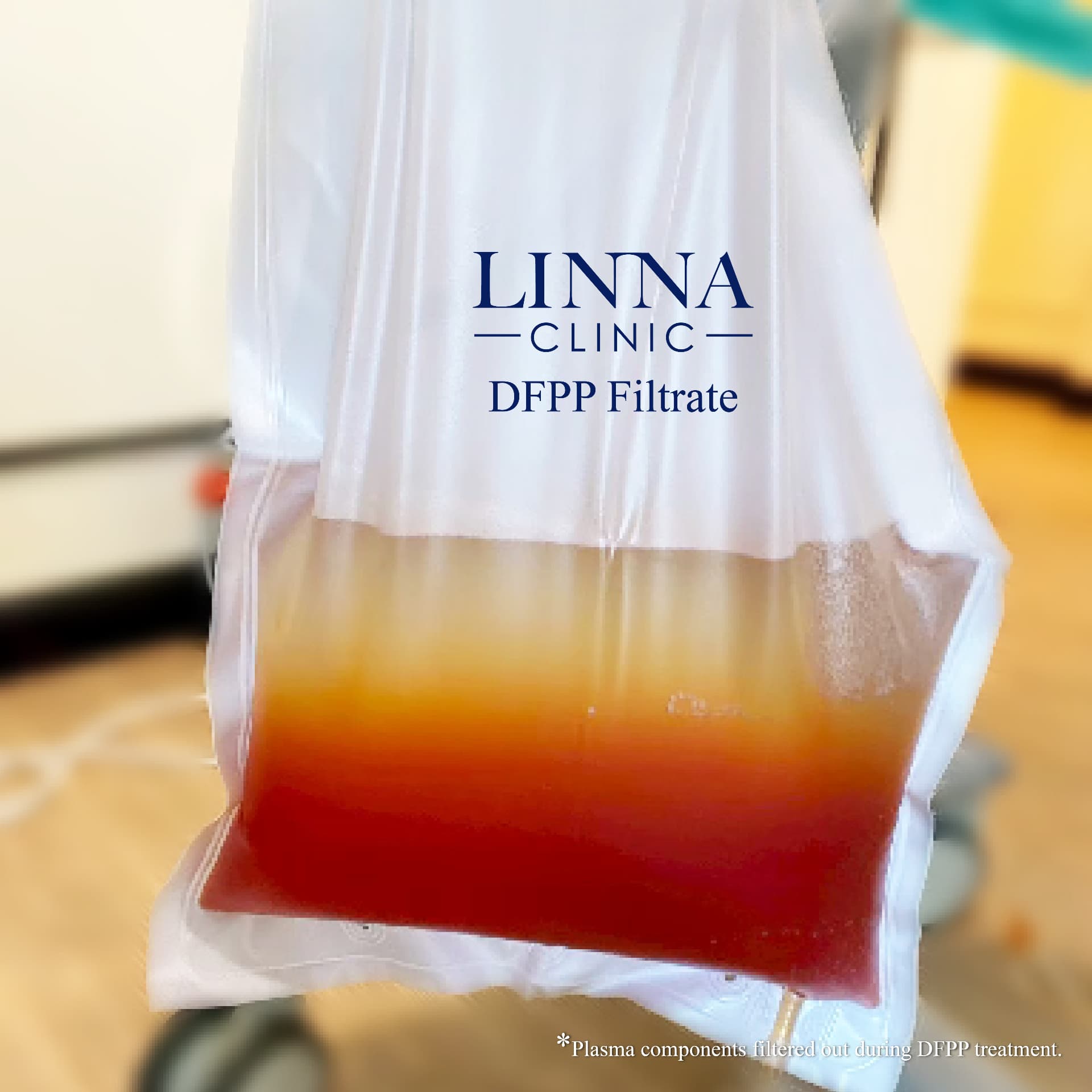
- The separated plasma is passed through the second filter, known as Secondary Filtration. This specialised filter selectively removes unwanted components such as viruses, waste products, excess lipids, toxins, allergens, and proteins associated with inflammation. The resulting plasma contains fewer large unwanted molecules.
- The filtered plasma, blood cells, and other essential proteins are returned to the body. DFPP may require less replacement fluid than conventional plasma exchange procedures and, in some cases, may not require external replacement fluid.
What May DFPP Help With?
- Reducing LDL cholesterol and triglyceride levels in individuals with abnormal blood lipid levels
- Reducing certain antibodies, inflammatory substances, and allergens that may be associated with autoimmune conditions, demyelinating diseases, or other inflammatory neurological conditions
- Reducing blood viscosity and supporting healthy blood circulation, which may help lower certain vascular risk factors
- Removing selected toxins and waste products that remain in the bloodstream
- Reducing substances associated with inflammation in the blood vessels and other important organs
- Supporting immune-system balance and overall health recovery


Who May Be Suitable for DFPP?
- Individuals with high blood lipid levels who do not respond adequately to lipid-lowering medication
- Individuals with vascular conditions such as narrowed or hardened blood vessels, increased blood thickness, or abnormal blood viscosity
- Individuals with kidney-related conditions or a history of organ transplantation
- Individuals with diabetes
- Individuals with abnormally high blood protein levels
- Individuals with certain neurological or autoimmune conditions, such as systemic lupus erythematosus (SLE) or myasthenia gravis
- Individuals seeking comprehensive health support and improved immune-system balance
Who May Not Be Suitable for DFPP?
- Individuals with bleeding disorders or abnormal blood clotting
- Individuals with severe chronic conditions, such as serious cardiovascular disease or kidney failure
- Individuals with a severe or uncontrolled infection
- Individuals with very low blood pressure
- Pregnant or breastfeeding women, as well as women who are menstruating, unless assessed and approved by a doctor on an individual basis
- Individuals with a history of allergic reactions to medications or solutions used during the DFPP procedure
Advantages of DFPP
- The two-stage filtration system can selectively separate and remove specific unwanted substances from the plasma.
- It may help reduce inflammatory substances and improve blood composition.
- It may help lower blood lipid levels, particularly LDL cholesterol and triglycerides.
- It may support healthier blood circulation and assist in managing risk factors associated with vascular disease, high blood lipid levels, hypertension, and fatty liver disease.
- It may help support immune-system balance, physical wellbeing, and overall health recovery.
- Unlike conventional plasma exchange, DFPP may require little or no external replacement plasma, which may reduce the risk of allergic reactions and other complications associated with replacement fluids.

Is DFPP Dangerous? What Are the Possible Side Effects?
DFPP is generally considered a well-tolerated procedure when performed under the supervision of an experienced medical team using sterile, certified, and medical-grade equipment.
Possible temporary side effects may include:
- Low blood pressure
- Headache or dizziness
- Nausea or vomiting
- Bruising or swelling around the needle insertion site
- Numbness or tingling around the mouth or hands due to a temporary reduction in blood calcium levels
These effects are usually temporary and may gradually improve within a few days when the patient follows the doctor’s aftercare instructions.
How Often Should DFPP Be Performed?
The recommended frequency of DFPP depends on the patient’s health condition, treatment goals, and the severity of the symptoms.
For certain acute conditions, a doctor may recommend treatment over a period of one to two weeks, with approximately two to three sessions per week, to help reduce selected disease-related substances or toxins in the blood.
For individuals seeking support for chronic conditions or overall health recovery, a doctor may recommend approximately four to six sessions over one to two months. The frequency may then be reduced according to the patient’s response and the doctor’s assessment.
For preventive health support in individuals without serious underlying conditions, a doctor may recommend approximately one to two sessions per year to help manage selected waste substances and support healthy blood circulation.
However, patients should understand that DFPP is a complementary health-support procedure and is not a replacement for standard medical treatment. A consultation with an experienced doctor is required to determine whether the procedure is appropriate and safe for each individual.

Preparing Before DFPP
- Complete a detailed health assessment and blood test to evaluate your readiness before the procedure.
- Avoid food and beverages, except plain water, for at least 12 hours before the procedure or as instructed by your doctor.
- Stop medications or supplements that may affect blood clotting only when instructed by your doctor.
- Get adequate rest and drink sufficient water before the appointment.
Aftercare Following DFPP
- Drink plenty of clean water to support blood circulation and the body’s recovery process.
- Eat nutritious foods and avoid smoking and alcohol.
- Get sufficient rest and avoid strenuous activities during the first 24 hours after the procedure.
- Take any medications prescribed by your doctor and attend all scheduled follow-up appointments.
Seek immediate medical attention if you experience unusual symptoms such as severe dizziness, unusual fatigue, significant swelling or bruising, or bleeding that does not stop.

Summary
DFPP, or Double Filtration Plasmapheresis, is an advanced two-stage plasma filtration procedure designed to selectively reduce excess lipids, toxins, waste products, antibodies, and proteins associated with inflammation.
Unlike conventional plasma exchange, DFPP allows filtered plasma, blood cells, and essential components to be returned to the body, potentially reducing the need for external replacement plasma.
DFPP may be considered for individuals with vascular conditions, high blood lipid levels, selected immune-related conditions, or those seeking comprehensive health support.
For optimal safety and appropriate treatment planning, DFPP should only be performed under the supervision of an experienced medical team.
For a personal health consultation or an individualised DFPP treatment plan, please contact LINNA Clinic at 063-609-8888, via WhatsApp at +66 91 979 9554, or through LINE: @linnaclinics.
Consultation & pricing
Plasmapheresis treatment is individually planned following a medical assessment. Please contact the LINNA care team for current pricing, available packages, and appointment availability.
- Medical consultation before every program
- Transparent pricing with no hidden fees
- Multilingual patient support in Thai, English, Japanese, Chinese, and Arabic