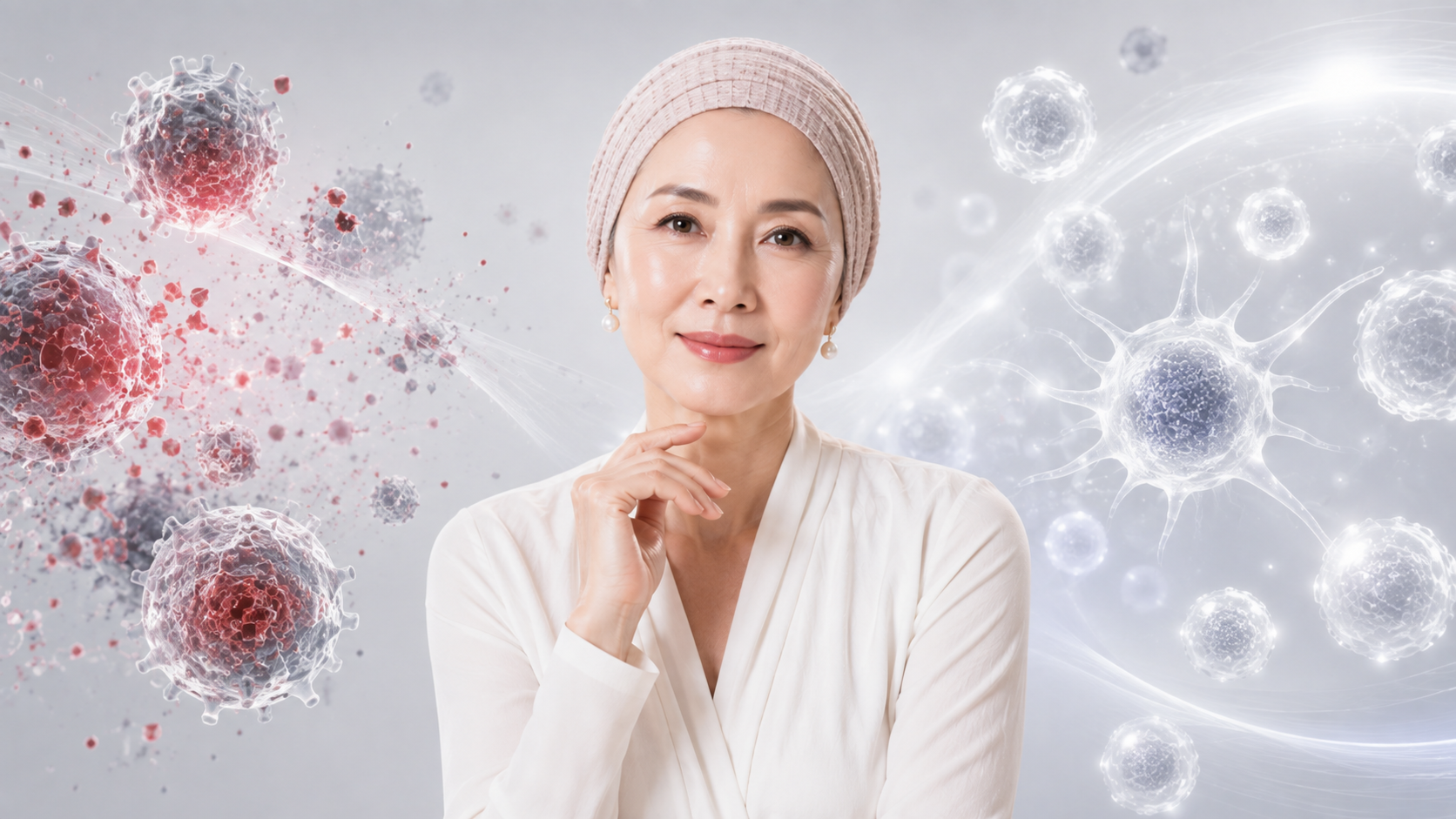
NK Cell Therapy: Supporting Immunity with Specialised Cells Naturally Present in the Body
Our bodies have built-in defence systems that work continuously. One of these is a group of immune cells known as Natural Killer Cells, or NK Cells. These cells patrol throughout the body and can respond quickly when they encounter abnormal cells, including virus-infected cells or certain cancer cells. However, as we age, the number and activity of NK Cells may naturally decline, which can affect immune surveillance and the body’s ability to respond to abnormal or damaged cells. NK Cell Therapy is an approach that involves collecting these immune cells, expanding and activating them under controlled laboratory conditions, and then returning them to the body to support immune-system function.
このページの日本語訳はまだ準備中です。以下の内容は英語で表示されています。
Doctor-led assessment
Every program begins with a medical consultation and a comprehensive health assessment.
Certified standards
Licensed clinic, sterile protocols, and medical-grade equipment.
Personalised protocols
The number of sessions and treatment protocol are personalised according to your health condition, goals, and assessment results.
What Are NK Cells?
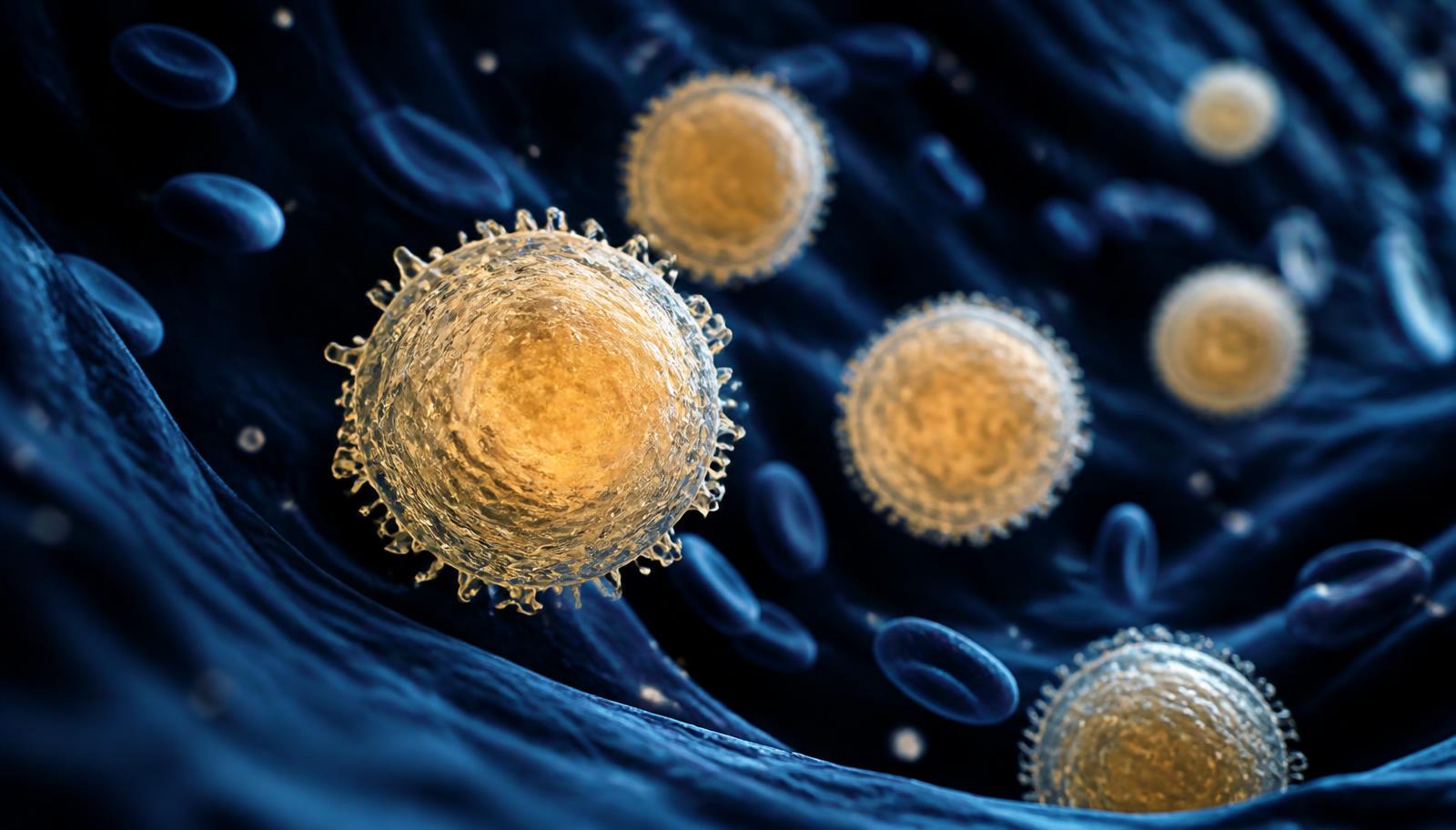
NK Cells, or Natural Killer Cells, are specialised white blood cells that form part of the innate immune system. This means they are naturally present in the body from birth and can respond rapidly without needing prior exposure to or memory of a specific pathogen.
NK Cells continuously patrol the body. When they detect abnormal cells, such as virus-infected cells or certain cancer cells, they can respond and destroy those target cells.

How Do NK Cells Work?
NK Cells work by reading signals on the surface of cells throughout the body. Healthy cells normally display signals indicating that they are functioning normally. When a cell becomes infected or undergoes abnormal changes, these signals may change or disappear. NK Cells can detect these abnormalities and release substances such as Perforin and Granzyme, which help destroy the target cell directly without requiring prior antigen recognition in the same way as some other immune cells.
NK Cells also release cytokines that help coordinate the activity of other immune cells, including T Cells and B Cells. In this way, NK Cells act both as direct responders and as important coordinators within the immune system.
What Can NK Cell Therapy Help With?
- Rapid Detection and Elimination of Abnormal Cells — Because NK Cells do not require prior antigen recognition, they can respond quickly as part of the body’s first line of immune defence.
- Supports the Immune Response Against Certain Cancer Cells — NK Cells have the natural ability to recognise and destroy certain abnormal or cancerous cells. NK Cell-based therapies are being studied as supportive approaches in oncology, but they are not a replacement for standard cancer treatment.
- Supports Overall Immune-System Function — NK Cells help coordinate innate and adaptive immune responses by releasing cytokines that influence the activity of other immune cells, including T Cells and B Cells.
- Supports Healthy Ageing and Immune Surveillance — NK Cells are involved in identifying and removing certain damaged or senescent cells. Maintaining healthy immune function may therefore contribute to overall health as the body ages.
Who Is It Suitable For?
- Individuals who want to support immune function as part of a preventive health approach
- Those experiencing age-related changes, accumulated stress, or insufficient rest that may affect overall immune function
- Individuals who frequently become unwell, recover slowly, or experience recurrent infections and have been medically evaluated
- Certain cancer patients or individuals recovering after cancer treatment, when considered appropriate by their treating medical team
- Those who want a comprehensive approach to long-term health and healthy ageing
NK Cell Therapy is intended to support immune-system function and cannot replace standard medical treatment. Results may vary from person to person, and treatment should always be based on a doctor’s assessment and clinical judgement.
NK Cell Therapy Procedure

- 1. Medical Consultation and Health Assessment — A doctor reviews the individual’s medical history, blood tests, and overall health to determine whether the therapy is appropriate.
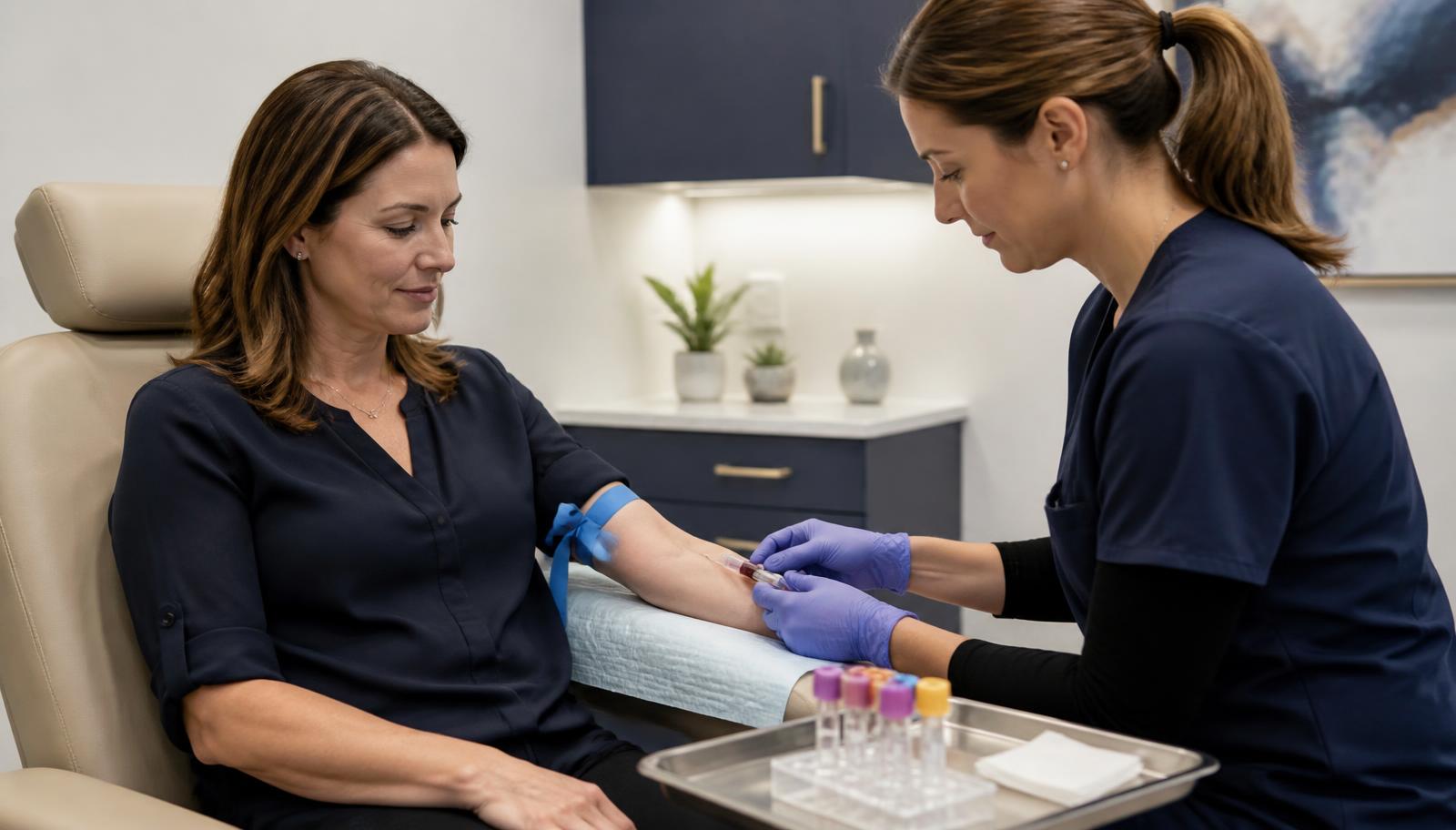
- 2. Blood Collection — A blood sample is collected so that NK Cells can be isolated from other blood components.
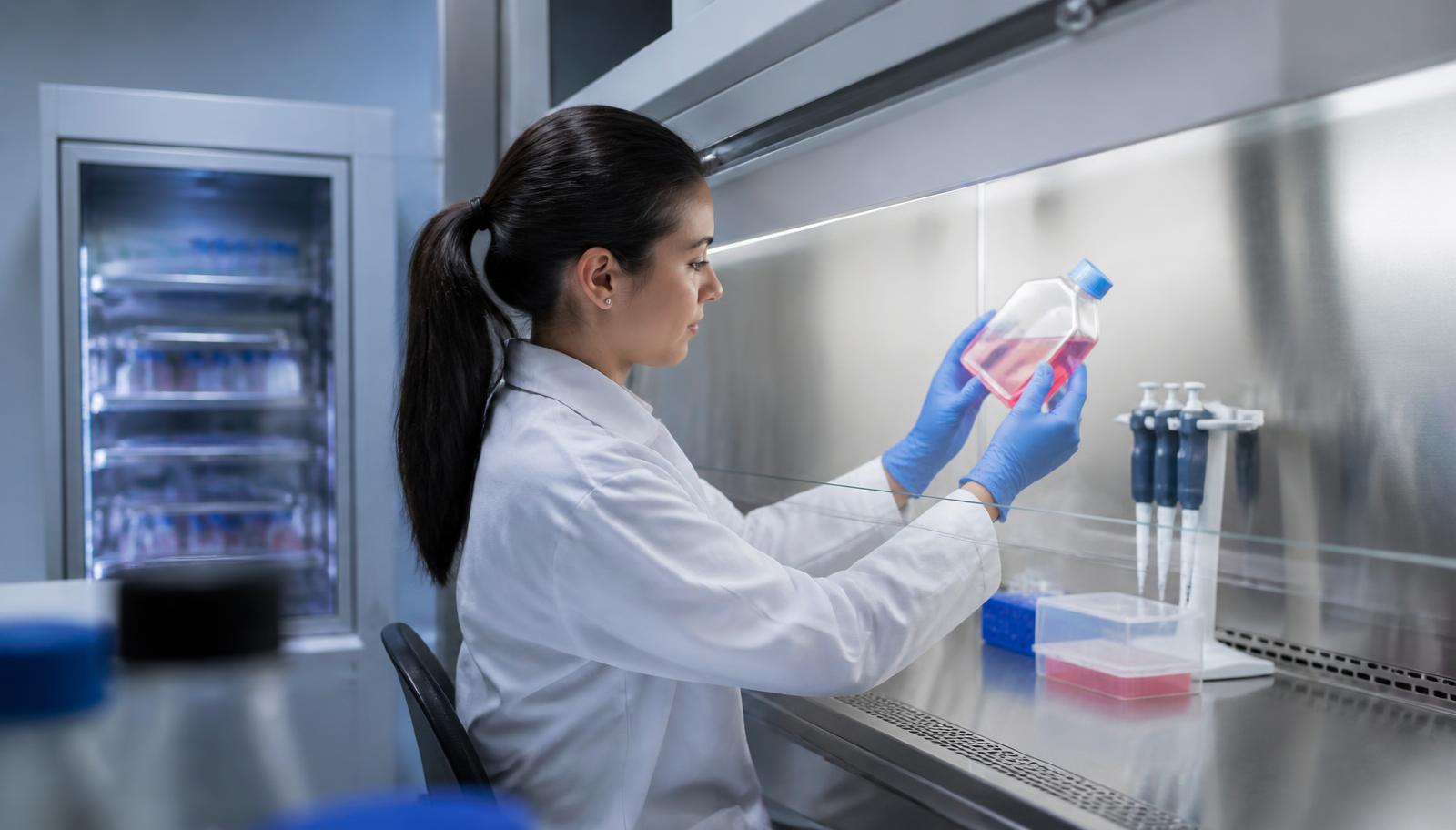
- 3. Laboratory Expansion and Activation — NK Cells are cultured and activated under controlled laboratory conditions to increase their number and functional activity. This process usually takes approximately 14–21 days.
- 4. NK Cell Infusion — The expanded NK Cells are administered back into the body intravenously at an appropriate dose and infusion rate under medical supervision.
- 5. Follow-Up After Treatment — After observation, the patient may return home and attend follow-up appointments as recommended by the doctor.

How to Prepare Before NK Cell Therapy
- Avoid alcohol and smoking for at least 3–7 days before treatment
- Get adequate sleep, ideally around 7–8 hours, and avoid activities that cause excessive physical fatigue, particularly before the blood collection day
- Drink approximately 1.5–2 litres of water per day
- Inform the doctor in detail about all underlying medical conditions, medications, and supplements currently being used
- Make sure you do not have an active infection or acute inflammatory symptoms such as fever, cough, sore throat, or diarrhoea. If symptoms are present, inform the doctor so that the blood collection may be postponed if necessary
Aftercare Following NK Cell Therapy

- Get adequate rest and avoid strenuous activities for the first 1–2 days
- Drink approximately 1.5–2 litres of water per day
- Avoid alcohol and smoking for at least 3–7 days after treatment
- Maintain a balanced and nutritious diet
- Attend follow-up appointments as scheduled to monitor your response to the therapy
- If you develop unusual symptoms such as fever, chills, or severe fatigue, seek medical attention promptly
Possible Side Effects
Because NK Cell Therapy may use the patient’s own cells, the risk of certain immune reactions can be lower than with some donor-derived therapies. However, side effects may still occur. These can include temporary fatigue, low-grade fever, or chills after the infusion. The type and severity of side effects can vary depending on the specific NK Cell product, how the cells are prepared, the treatment protocol, and the patient’s underlying condition. If symptoms are severe, persistent, or unusual, medical attention should be sought promptly.
Summary
NK Cell Therapy involves collecting, expanding, and activating immune cells that naturally form part of the body’s first line of defence, then returning them to the body to support immune function. It may be considered for selected individuals seeking immune support, certain patients under specialised medical care, or those interested in a comprehensive healthy-ageing approach. Results depend on individual health status, age, underlying conditions, and the specific treatment protocol. The decision to undergo NK Cell Therapy should always begin with a medical consultation to determine whether it is appropriate and safe for the individual.
If you are interested in a personalised health plan, LINNA Clinic provides medical consultation and guidance throughout each step before treatment decisions are made. For enquiries or appointments, please contact LINNA Clinic at Tel. 063-609-8888, WhatsApp +66 91-979-9554, or LINE: @linnaclinics.
Consultation & pricing
NK Cell Therapy treatment is individually planned following a medical assessment. Please contact the LINNA care team for current pricing, available packages, and appointment availability.
- Medical consultation before every program
- Transparent pricing with no hidden fees
- Multilingual patient support in Thai, English, Japanese, Chinese, and Arabic