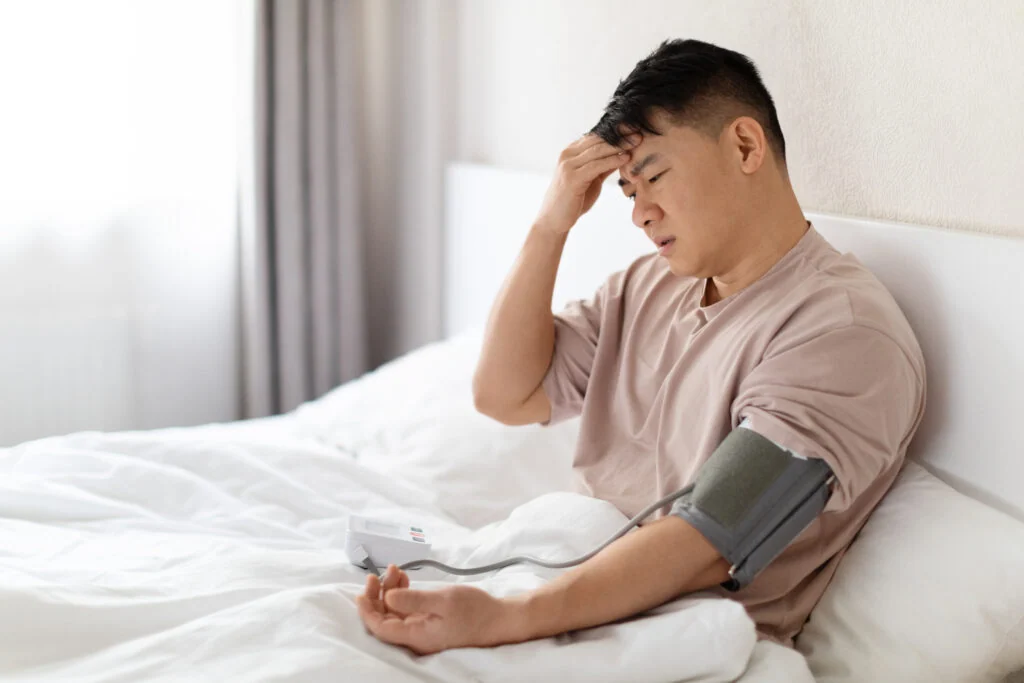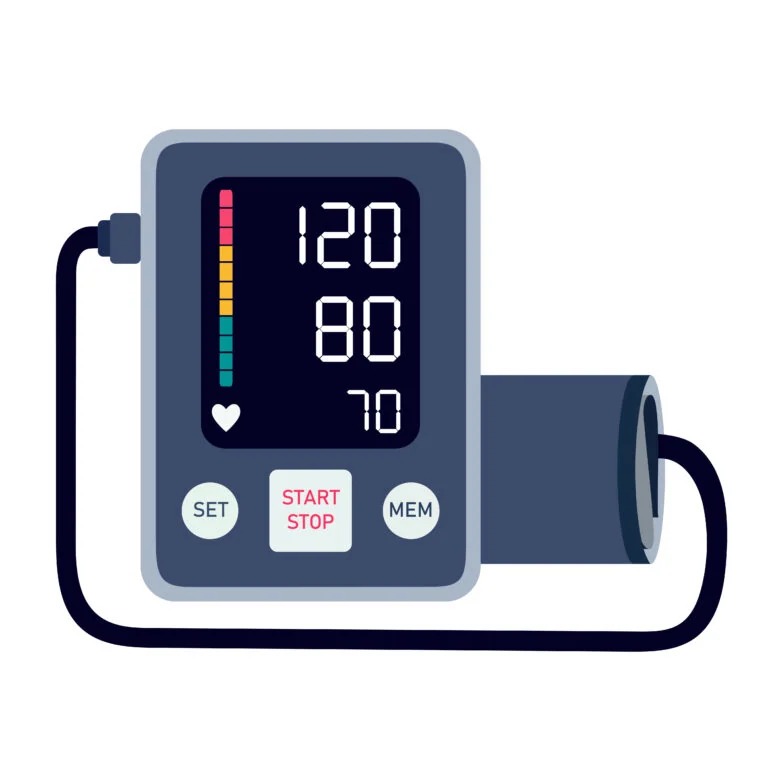
Quite a few people find out during their health checkups that they have high blood pressure or lower than normal blood pressure, but they may not know how these two types differ or what health conditions they reflect. Although these numbers may seem minor, they actually represent the pressure of blood flowing through the arteries when the heart contracts and relaxes. Generally, normal blood pressure is around 120-129/80-84 mmHg, which can fluctuate throughout the day. However, if blood pressure levels deviate from normal for an extended period, it could be a warning sign of underlying health issues that should not be ignored. This article from LINNA Clinic will help you understand the differences between high and low blood pressure, the symptoms you should watch out for, and proper self-care guidelines to ensure a better quality of life for you and your loved ones.
What is High Blood Pressure (Hypertension) and What Causes It?
High blood pressure (Hypertension) is a condition where the systolic blood pressure (top number) is 140 mmHg or higher and/or the diastolic blood pressure (bottom number) is 90 mmHg or higher while at rest on a consistent basis. It can be elevated in just one of these values or both. Hypertension often shows no clear symptoms in its early stages and is usually detected only when severe complications arise. It can be caused by various factors, including genetics, aging, obesity, lack of exercise, consuming high-sodium foods, smoking, and regular alcohol consumption.

Symptoms of High Blood Pressure
Hypertension often does not present obvious symptoms in the early stages, but it is typically detected when blood pressure rises to dangerous levels. Common symptoms include:
- Dizziness, headache (especially at the back of the head)
- Palpitations, rapid breathing, or chest tightness
- Blurred vision or unprecedented visual disturbances
- Nosebleeds in some cases
- If blood pressure is extremely high, there is a risk of heart attack or stroke
When is High Blood Pressure Dangerous and Requires Urgent Medical Attention?
If an individual with a history of high blood pressure registers a reading that spikes to a critical level (over 180/120 mmHg) or experiences severe symptoms such as difficulty breathing, chest pain, limb weakness, slurred speech, acute confusion, seizures, or loss of consciousness, they must be rushed to the hospital immediately.

Self-Care Guidelines for Managing and Lowering High Blood Pressure
- Avoid heavily seasoned foods, reduce sodium intake, and avoid processed or pickled foods.
- Maintain a healthy weight and exercise regularly.
- Refrain from smoking and drinking alcohol.
- Avoid drinking tea, coffee, or other caffeinated beverages.
- Drink plenty of clean water, aiming for at least 1.5 to 2 liters daily.
- Avoid stress and ensure adequate rest.
- Take prescribed medications as directed by a physician and monitor blood pressure regularly.

What is Low Blood Pressure (Hypotension) and What Causes It?
Low blood pressure (Hypotension) is a condition where the systolic blood pressure (top number) is lower than 90 mmHg and/or the diastolic blood pressure (bottom number) is lower than 60 mmHg. It can be low in just one of these values or both, preventing sufficient blood flow to various organs. It can be caused by several factors, including lack of rest, dehydration, fasting, stress, heart disease, or as a side effect of certain medications, such as antihypertensive drugs or diuretics.
Symptoms of Low Blood Pressure
- Dizziness, lightheadedness, especially when changing positions quickly
- Easy fatigability, weakness, or lack of energy without a clear cause
- Palpitations or abnormally rapid heartbeat
- Cold hands and feet, pale skin, or excessive sweating
- In some cases, confusion, lightheadedness, or even loss of consciousness
When to See a Doctor for Low Blood Pressure
If you experience frequent episodes of lightheadedness, severe headache, blurred vision, rapid heart rate, shortness of breath, or near-fainting, you should seek medical attention promptly to evaluate the cause. These symptoms can be warning signs of dangerous hypotension, which, if left untreated, could lead to shock or insufficient blood supply to vital organs.

Self-Care Guidelines for Low Blood Pressure
- Drink adequate water, at least 6-8 glasses daily, to support healthy blood circulation.
- Avoid rapid changes in posture to prevent sudden lightheadedness or dizziness.
- Eat a balanced diet containing all 5 food groups in appropriate portions. Avoid overeating in a single meal to prevent postprandial hypotension (blood pressure drop after eating).
- Engage in regular, light exercise such as brisk walking, swimming, or yoga to stimulate blood circulation.
- Refrain from smoking and drinking alcohol.
What is the Difference Between High and Low Blood Pressure, and Which is More Dangerous?
- High and low blood pressure differ significantly in terms of pressure readings and their physical impact. High blood pressure is often considered a "silent killer" because it rarely shows obvious symptoms in the early stages. However, if left uncontrolled, it can increase the risk of severe long-term diseases, such as heart disease, stroke, and chronic kidney disease. Conversely, although low blood pressure may seem to have a milder impact and does not typically lead to severe chronic diseases like hypertension, it can cause immediate accidents or emergencies, such as dizziness, lightheadedness, fainting, or loss of consciousness, particularly in risky situations like driving, working, or being at heights.
In conclusion, abnormal blood pressure—whether it is "high blood pressure" or "low blood pressure"—affects your health and serves as a vital warning sign that should not be overlooked. If you detect abnormal blood pressure levels, you should closely monitor your body, measure your blood pressure regularly, and adjust your lifestyle habits in accordance with medical advice to minimize risks and prevent long-term complications.

Recommendations for Daily Self-Monitoring of Blood Pressure
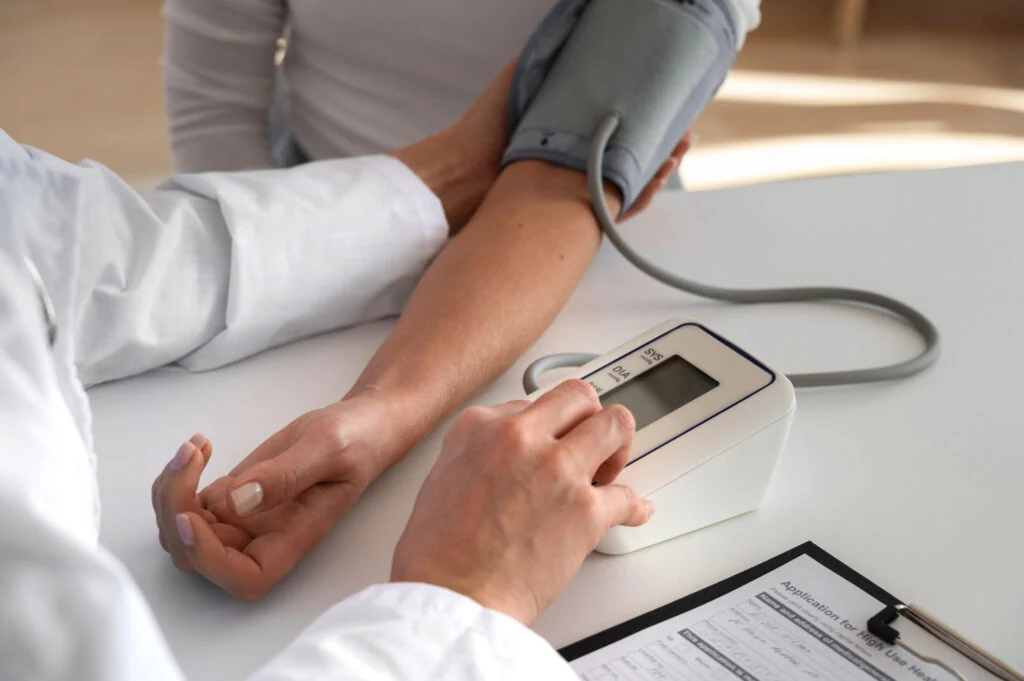
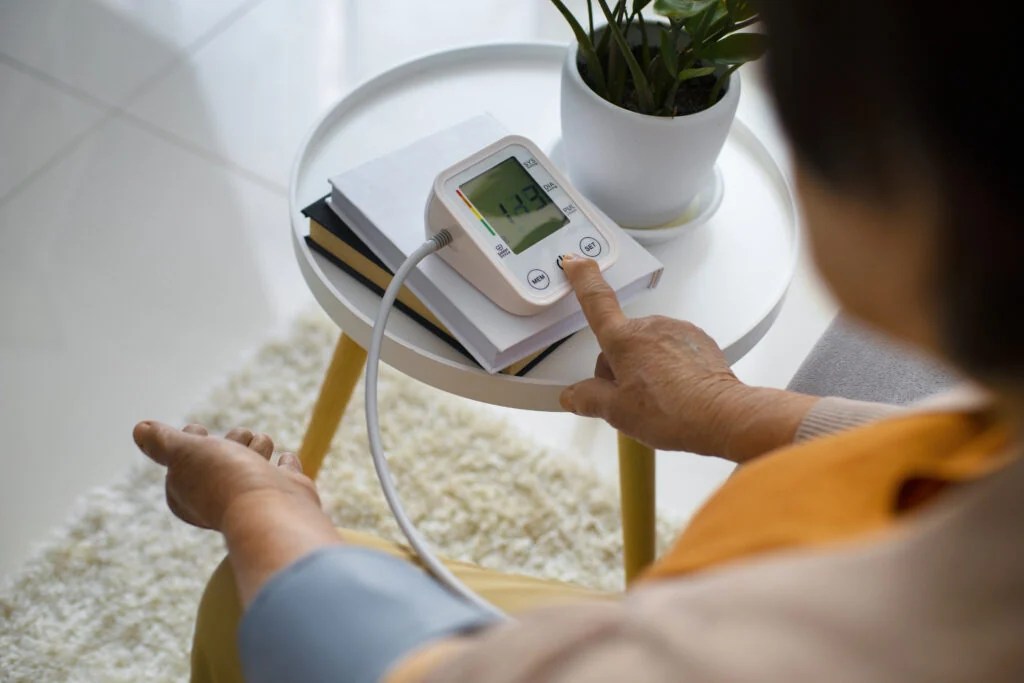
- Measuring your blood pressure at home every day is an effective way to continuously track your cardiovascular health, especially for those at risk or already diagnosed with high or low blood pressure. Here are the recommendations for monitoring your blood pressure at home:
- Measure your blood pressure twice a day: in the morning (within 1-2 hours after waking up) and before going to bed. Take 2-3 consecutive readings, leaving a 1-2 minute interval between each, and calculate the average to ensure accuracy.
- Rest for at least 5-10 minutes before taking a reading. Avoid drinking coffee, smoking, or exercising beforehand, as these can cause inaccurate results.
- Sit in the correct posture during measurement. Sit on a chair with back support, keep both feet flat on the floor, and rest your arm on a table so that it is at heart level. Wrap the cuff around your upper arm, about 1-2 centimeters above the elbow crease.
- Do not talk or move during the measurement to prevent inaccurate readings.
- Record your readings in detail every time, including the systolic (top) number, diastolic (bottom) number, and heart rate. Do this consistently for at least 3-7 days to help your doctor track your progress.
- It is recommended to use an automatic blood pressure monitor that is medically certified, as they are user-friendly and deliver precise, reliable results.
Conclusion
- Both high and low blood pressure are indicators of cardiovascular circulatory abnormalities that can affect your health in different ways, both in the short and long term. This is particularly true for high blood pressure, which often shows no initial symptoms but is a major risk factor for heart disease, stroke, and kidney disease. On the other hand, although low blood pressure may not seem as dangerous, experiencing severe symptoms such as frequent lightheadedness, fainting, or loss of consciousness is equally something that should not be ignored.
If you have abnormal blood pressure readings or experience symptoms such as dizziness, palpitations, and fatigue, you should undergo a medical evaluation to identify the root cause and plan appropriate health care. Taking care of yourself early is the key to achieving even better health.
If you are interested in a risk assessment or a personalized, drug-free cardiovascular health restoration plan, with every step supervised by our highly experienced medical team at LINNA Clinic, please feel free to contact us at @linnaclinic, Whatsapp +66919799554, or call 063-609-8888.
この記事はLINNA Clinicの医療チームが編集・監修しています。
このプログラムにご興味がありますか?個別のご相談も承ります
LINNA Clinicのチームが、あなたに最適なプログラム選びをお手伝いします。