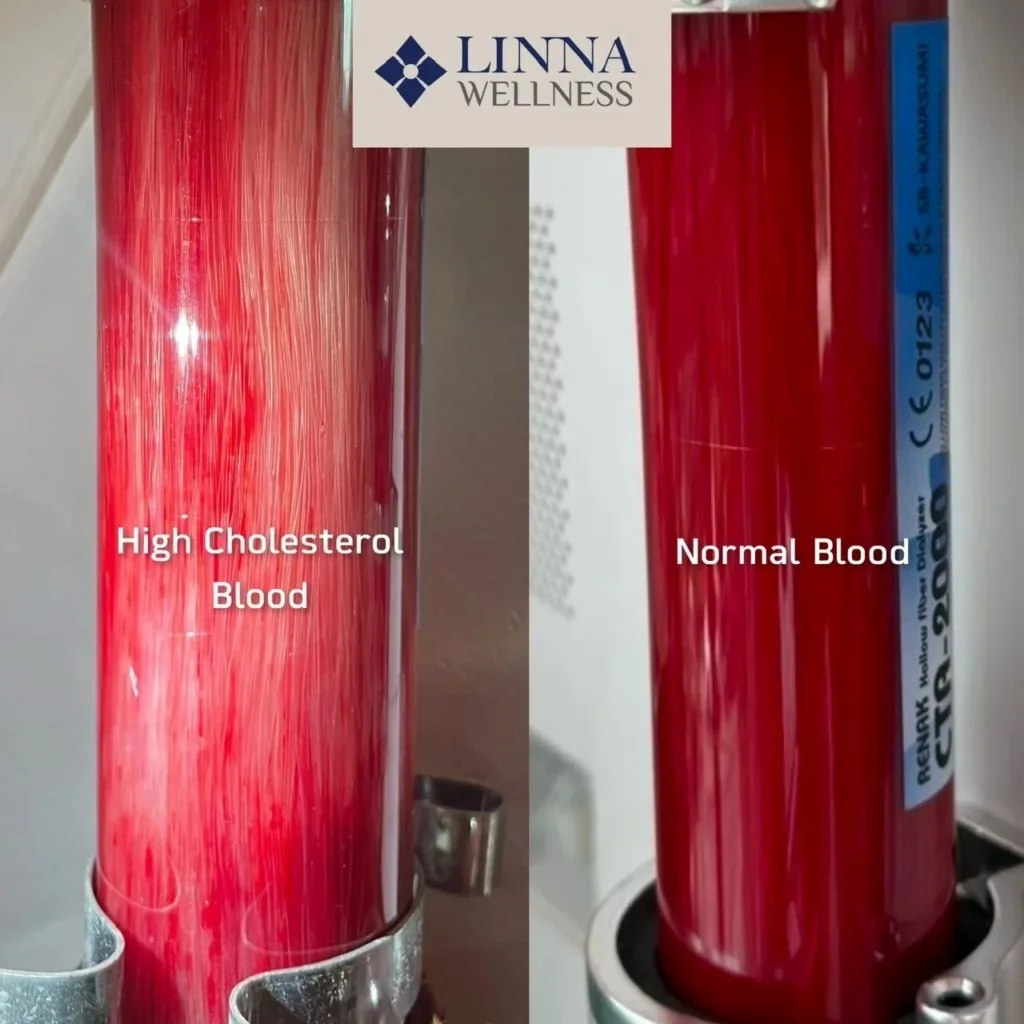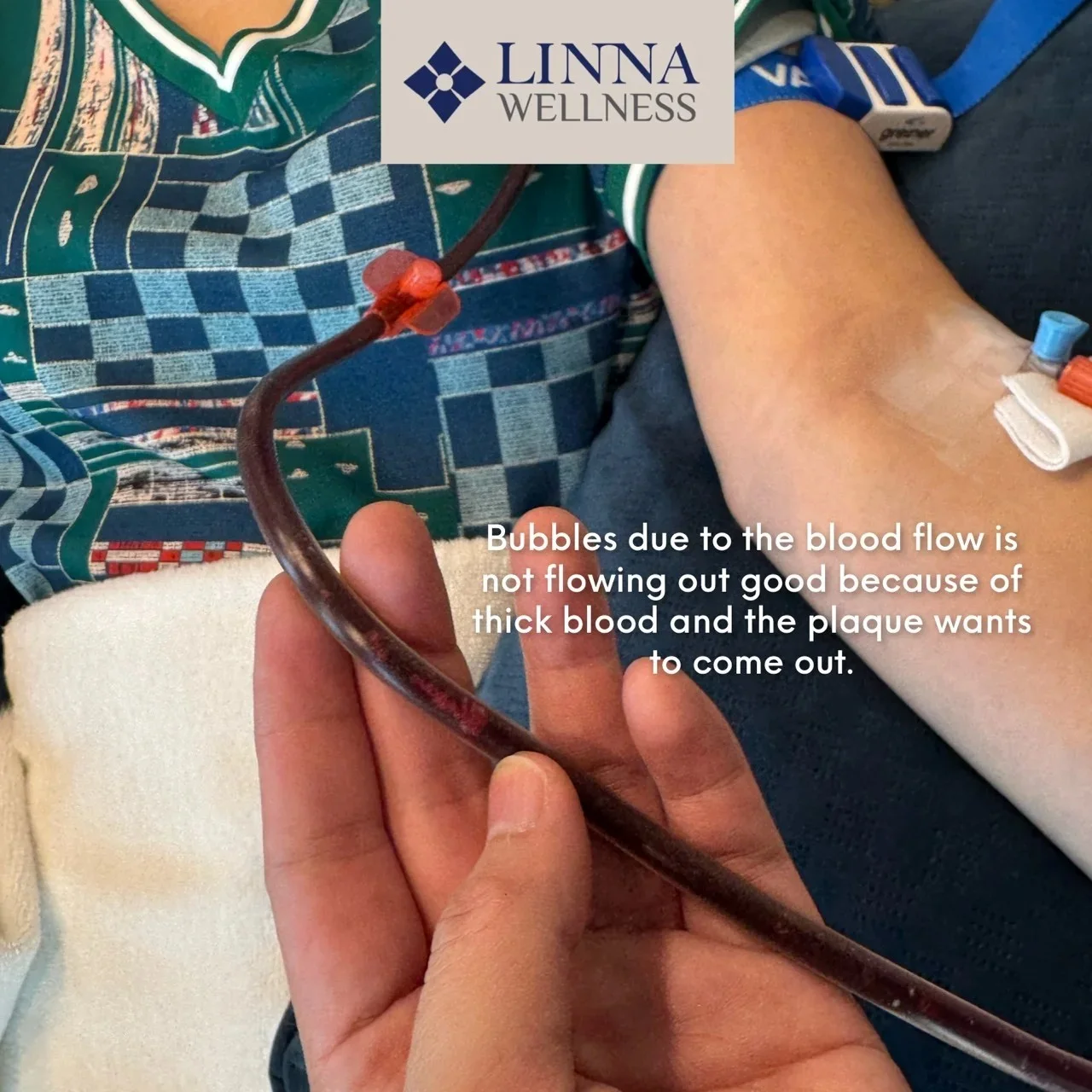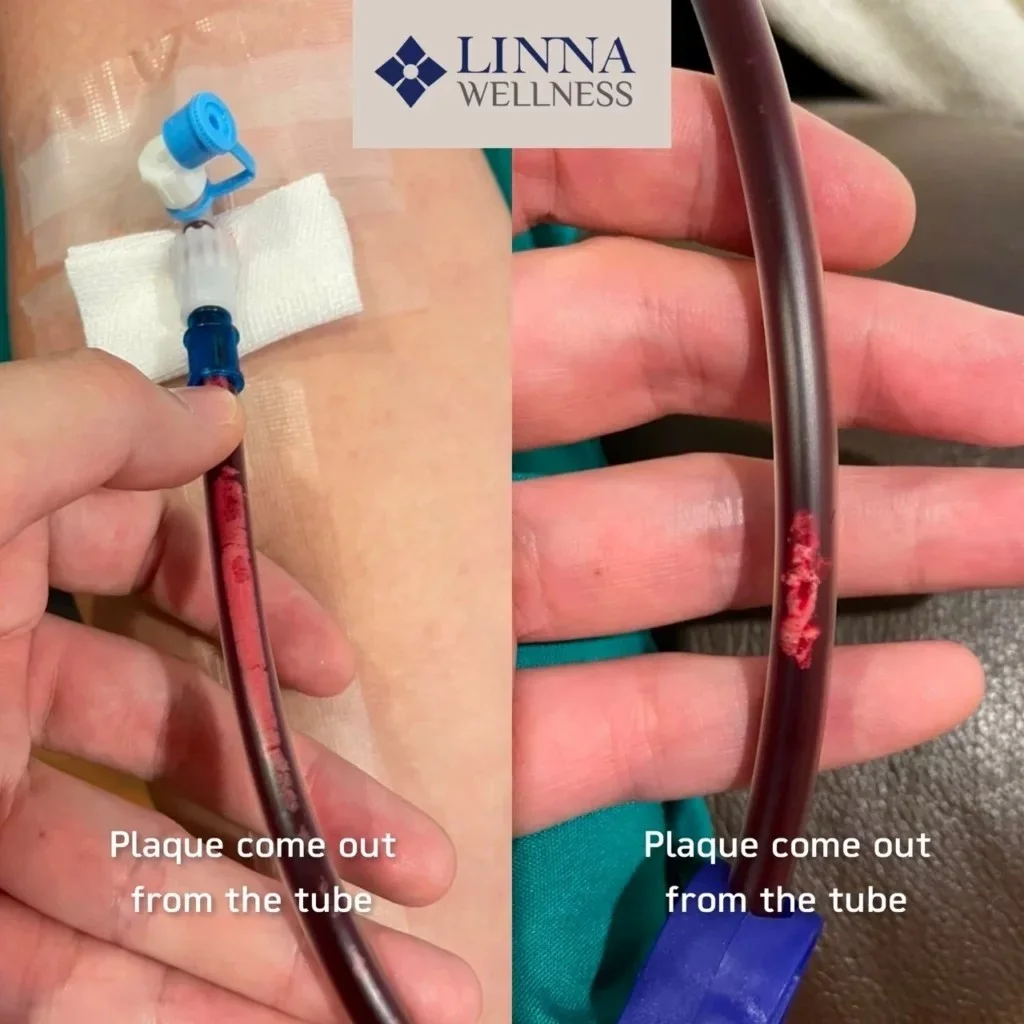

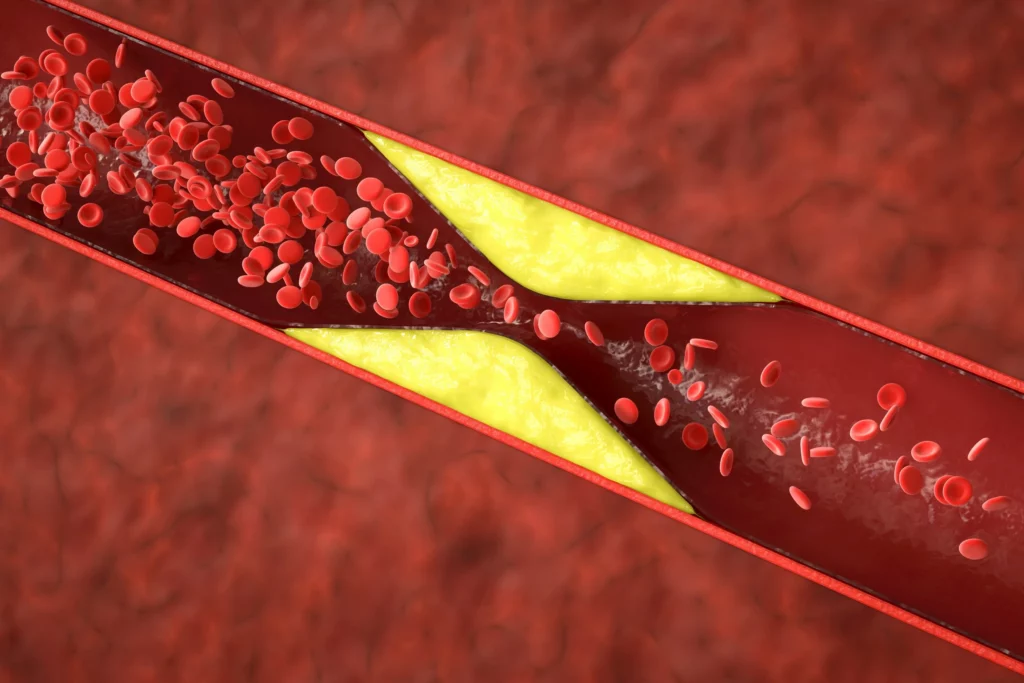
In the current era, as people’s lifestyles change, leading to increased blood lipid levels and unknowingly accumulated toxins within the body, stemming from dietary habits, medications and chemicals, environmental pollution, and even new, hard-to-avoid viral strains. When the blood is filled with fats and waste products, it significantly increases the risk of various serious diseases, including cardiovascular disease, hyperlipidemia, high blood pressure and diabetes. Consequently, many people are starting to pay more attention to their health, especially alternative medicine therapies that do not require relying on medication to reduce long-term side effects, such as Plasmapheresis and EBOO/EBO2 Therapy. Both methods have distinct therapeutic approaches and unique properties. Should you choose Plasmapheresis or EBOO Therapy? What are the pros and cons of each form of body rejuvenation? This article from Linna Clinic is ready to present a comprehensive comparison to help those interested use the information to choose the most suitable and safe treatment approach.
Table of Contents
What is Plasmapheresis?
Plasmapheresis is a blood purification process that involves separating plasma from blood cells using a specific filter. This is done to remove or reduce the amount of undesirable substances such as bad fats (LDL), triglycerides, abnormal immune stimulants or inflammation-causing proteins. The filtered plasma, along with the blood cells, is then returned to the body (the return method depends on the type of Plasmapheresis used). This therapy is considered an alternative health management approach to medication and is often used for individuals with blood system problems, vascular diseases, and autoimmune diseases.
Medically, Plasmapheresis can be divided into two main types:
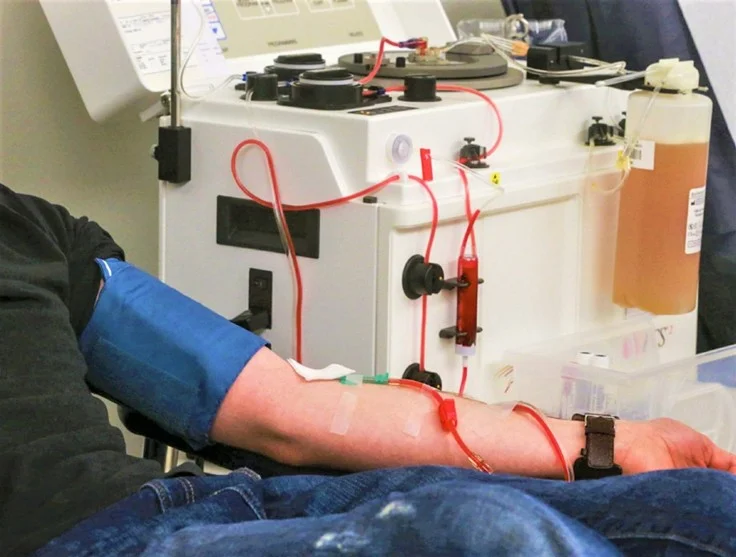
1.General Plasmapheresis (Therapeutic Plasma Exchange – TPE): This involves filtering plasma from the blood and replacing it with a substitute fluid, such as albumin or donor plasma.
2. Double Filtration Plasmapheresis (DFPP) is a technology that is further developed from Plasmapheresis by using a 2-stage filtration system to separate plasma from blood. After that, the plasma is sent for another filtration step to separate blood fats, toxins, and unnecessary proteins. Then, the remaining plasma (which has smaller molecules) is replenished to the body without the need for replacement fluids. Therefore, it is a method that reduces the chance of losing plasma and important proteins better than the first method.
What is Double Filtration Plasmapheresis (DFPP) and How Many Types Are There?
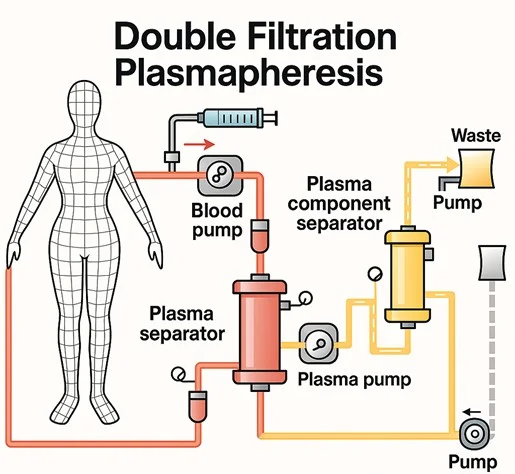
Double Filtration Plasmapheresis (DFPP) is a form of blood purification (Plasmapheresis) that utilizes a double filter system to precisely separate and remove harmful substances from the plasma. These substances include bad fats (LDL), triglycerides, allergens, and proteins associated with chronic inflammation. The plasma, now with smaller molecules, is then returned to the body without the need for replacement fluids, unlike conventional plasma exchange. DFPP can be categorized into two types, based on the blood flow and plasma flow rates during the treatment process:
1. Low Flow DFPP: This method involves filtering plasma via a venous line, eliminating the need to access an arterial line. It can be performed in standard medical clinics or facilities and is suitable for individuals seeking a gradual reduction in blood lipids and body inflammation. However, most clients with prior treatment experience have reported that EBOO Therapy provides a better experience and results compared to Low Flow Double Filtration Plasmapheresis.
2. High Flow DFPP: This plasma filtration process uses a high blood flow rate, requiring access to a large vein in the neck to increase pressure and filtration efficiency. It is suitable for individuals with very high blood lipid levels or severe inflammation who require rapid results. This treatment must be performed exclusively in hospitals or specialized medical centers with appropriate equipment and under the close supervision of a specialized medical team.
Who is the Double Filtration Plasmapheresis Program Suitable for?
- Individuals with high blood lipid levels, including high LDL (bad cholesterol) and triglycerides, or those with drug-resistant hyperlipidemia.
- Individuals with abnormally thick or viscous blood.
- Patients with kidney disease or those who have undergone organ transplantation.
- Individuals with coronary artery disease
- Diabetic patients
- Individuals with autoimmune diseases such as SLE (Systemic Lupus Erythematosus) or rheumatoid arthritis.
However, Double Filtration Plasmapheresis is a supportive therapy for health restoration and cannot replace primary medical treatments. It may also not be suitable for individuals with bleeding disorders, clotting problems, severe cardiovascular disease, chronic kidney failure, or those undergoing specialized treatments. For safety, it’s essential to consult with a doctor before beginning this therapy.
Pros and Cons of the Double Filtration Plasmapheresis Program (DFPP) Pros:
Pros
- Utilizes a two-step filtration system, which helps selectively remove undesirable substances like bad fats, abnormal antibodies, and toxins from the plasma, while better retaining essential proteins compared to general plasma exchange.
- Effectively reduces blood lipids, especially Low-Density Lipoprotein (LDL) and triglycerides, leading to improved blood circulation and a reduced risk of heart disease, vascular conditions, high blood pressure, and fatty liver.
- Helps lower levels of substances that cause chronic inflammation in the body, leading to cleaner blood.
- Boosts immunity, strengthening the body and reducing the chance of infections.
- Does not require external medications or chemicals, reducing the risk of allergic reactions or side effects.
Cons
- It is a complex treatment process, thus requiring specialized equipment and a highly experienced medical team. It should only be performed in well-equipped medical facilities, such as hospitals.
- Treatment sessions are lengthy, potentially taking 1.5-2 hours per session, which might not be suitable for individuals with limited time.
- Multiple consecutive sessions are needed to observe clear results, depending on the individual’s health condition.
- High cost compared to other health therapies.
- May cause side effects in some individuals, such as dizziness, lightheadedness, nausea, or a drop in blood pressure during or after treatment.
What is EBOO/EBO2 Therapy?
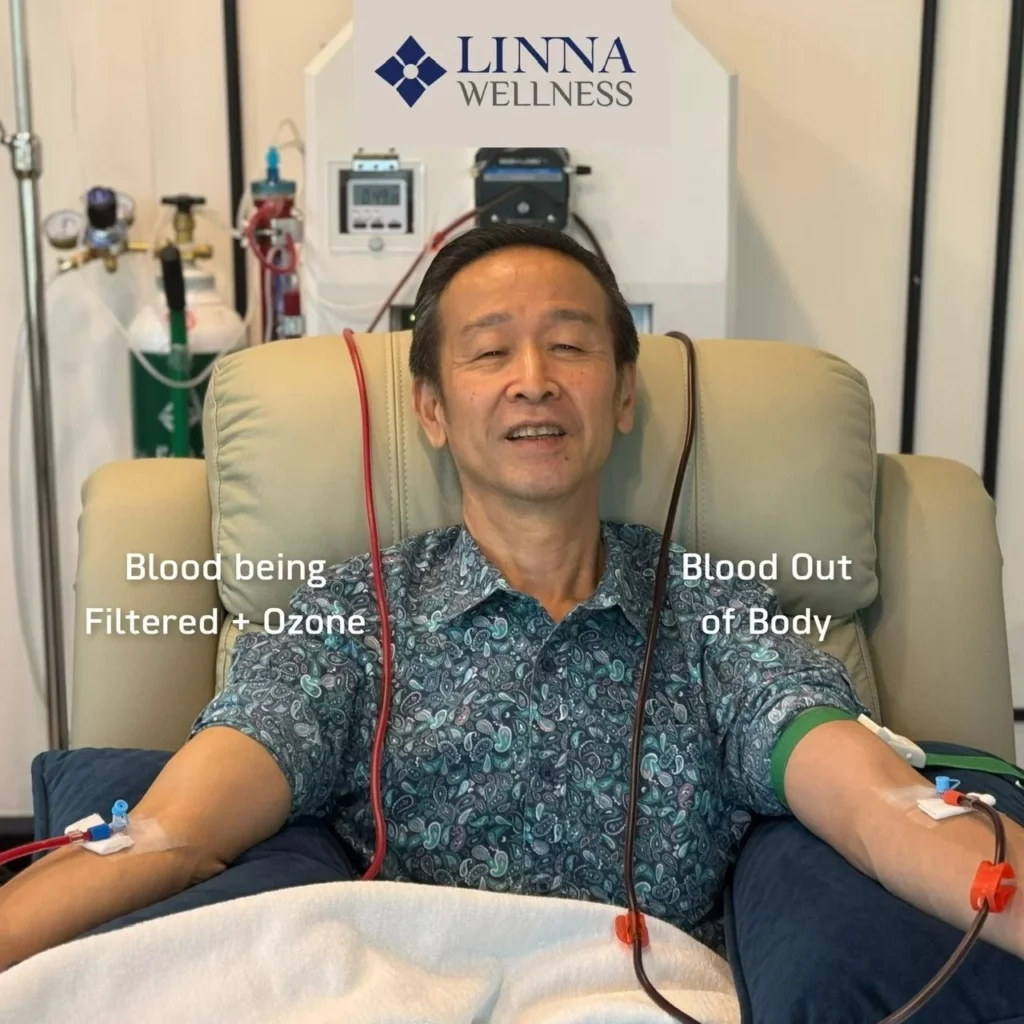
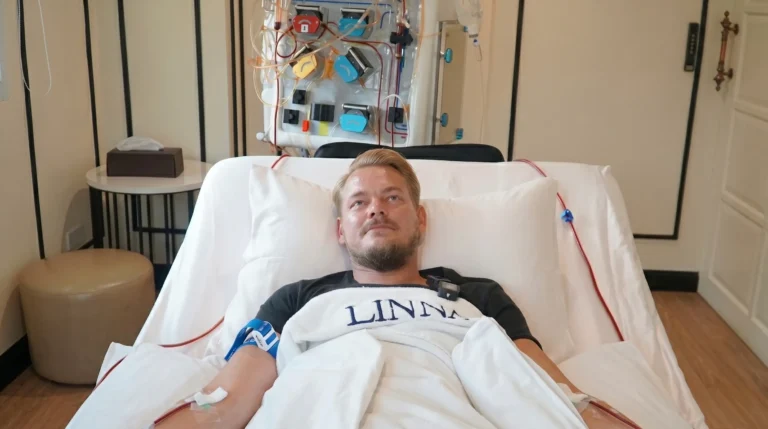
EBOO/EBO2 Therapy, or Extracorporeal Blood Oxygenation and Ozonation, is a process of blood filtration and detoxification. It involves drawing blood from the body, passing it through a filter, then infusing it with pure oxygen and ozone. This treated blood is then slowly returned to the body intravenously through a closed system to increase blood oxygen levels, stimulate immune system function, and eliminate accumulated waste, microorganisms, and toxins.
How EBOO/EBO2 Therapy Works:
- Blood is drawn from the body using needles inserted into large veins in both arms (one for drawing, the other for returning). The blood flows through tubing to a sterile filter that removes waste products from your blood.
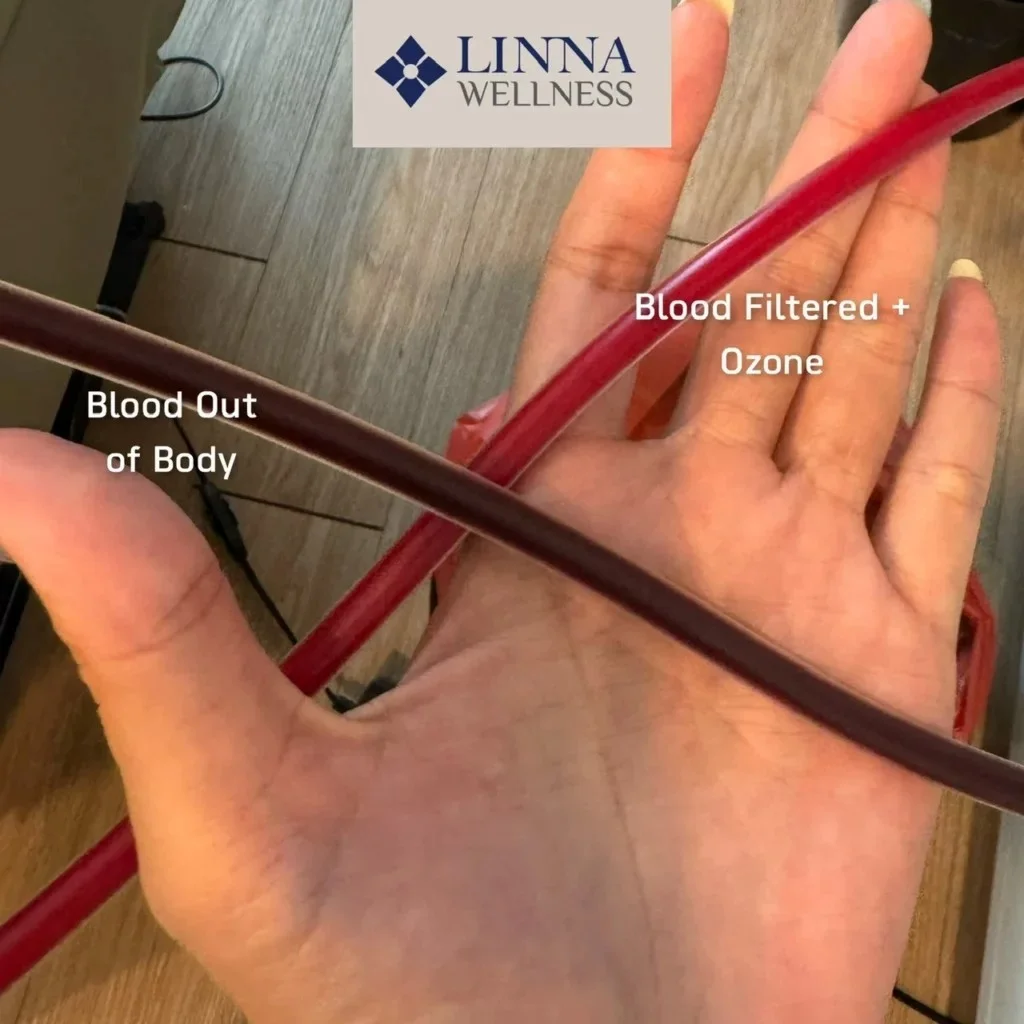
- The blood then get infuses ozone (O₃) and pure oxygen in safe amounts continuously throught out 45-60 min process. The ozone added to the blood breaks down into oxygen and other ozone-related compounds.
- The processed blood is then slowly and continuously returned to the body. Every step is controlled within a closed system, ensuring no external contamination.
The results after EBOO/EBO2 Therapy include alleviated fatigue, faster body recovery, and a stronger immune system.
Who is the EBOO/EBO2 Therapy Program Suitable for?
- Individuals with high blood pressure.
- Those experiencing adverse symptoms after COVID-19 infection or vaccination.
- People suffering from chronic fatigue, easy tiredness, or lack of energy despite sufficient rest.
- Individuals with autoimmune disorders, such as SLE or rheumatoid arthritis.
- Those with heart and vascular problems or poor blood circulation.
- Diabetic patients
- Individuals with frequent viral or bacterial infections.
- Those experiencing joint pain, bone pain, or degenerative joint conditions
- Individuals recovering or recuperating after illness
- Those seeking preventive health care and holistic body balance
However, EBOO/EBO2 Therapy is a supportive therapy for health restoration and cannot replace primary medical treatments. Interested individuals should always consult a doctor before undergoing the procedure, especially those with pre-existing conditions or who are currently undergoing other treatments, to ensure the therapy plan is appropriate for their specific health condition.
Pros and Cons of the EBOO/EBO2 Therapy Program
Pros
- Deep body rejuvenation by directly infusing oxygen and ozone into the bloodstream, which boosts cellular energy, leads to a feeling of freshness, reduces chronic fatigue, and rebalances various bodily systems.
- Helps stimulate the immune system to function in a balanced way, suitable for those with compromised immunity, chronic inflammation, or those undergoing treatment for chronic diseases and cancer.
- Effectively eliminates accumulated toxins, heavy metals and free radicals, while improving blood circulation to support the function of various bodily systems.
- Treatment time is approximately 45-60 minutes per session, allowing clients to return to their daily routines without needing recovery time.
Cons
- Must be performed by highly experienced professionals using high standardized equipment that can precisely control the amount of ozone required for therapy, tailored to each individual’s health condition.
- EBOO/EBO2 Therapy cannot filter out as much fat as a single DFPP session, so it may not be suitable for those requiring deeply specialized problem-solving.
- May not be suitable for individuals with blood clotting disorders. Patients should inform their doctor of their medical history in advance.
- Contraindicated for those allergic to ozone and not recommended for pregnant women.
Double Filtration Plasmapheresis (DFPP) vs. EBOO/EBO2 Therapy: Which Program Should You Choose?
While both programs aim to purify blood and help restore health, the choice should be based on your specific health concerns and the expected outcomes after treatment.
- Double Filtration Plasmapheresis (DFPP) may be suitable for individuals with high blood lipid levels, chronic inflammation, or conditions related to abnormal immune system function, such as autoimmune diseases or those with excessive antibodies in the blood. This is because DFPP can directly filter out specific substances like bad fats (LDL), triglycerides, inflammatory agents and excess proteins from the plasma.
- EBOO/EBO2 Therapy may be a more appropriate choice for individuals with high blood pressure, coronary artery disease, diabetes, high blood lipids, autoimmune diseases like SLE or rheumatoid arthritis, as well as those experiencing chronic fatigue or who are at risk of chronic inflammation. A key advantage of EBOO Therapy is not only its ability to filter out plaque, toxins, or waste from the bloodstream, but also its direct infusion of pure oxygen and ozone into the circulatory system. This helps to cleanse blood vessels, increase oxygen in red blood cells, positively impacts energy restoration, and stimulates immune system function. However, the per-session filtration rate for waste might be less compared to DFPP, but EBOO/EBO2 Therapy is more affordable and offers a more relaxing treatment experience.
In some cases, doctors may consider combining both DFPP and EBOO/EBO2 Therapy, based on blood test results, health conditions, and the client’s expected outcomes. This is done under a Personalized Protocol to ensure the treatment plan is comprehensive, targeted and safe.
Conclusion:
Double Filtration Plasmapheresis (DFPP) and EBOO Therapy are both advanced blood purification methods designed to help restore and rejuvenate the body, but they serve different purposes. The choice of which method to undergo depends on each individual’s health condition and specific needs. For optimal results and safety, it is essential to consult with a qualified doctor to assess your health and determine the most appropriate treatment plan. If you are interested in undergoing treatment with our experienced doctors — who have over 13 years of expertise and more than 30,000 real treatment cases — please feel free to book a consultation at LINNA Clinic by calling 063-609-8888 or adding us on LINE: @linnaclinic.