
Dendritic Cell Therapy is a form of personalized immunotherapy developed as a supportive treatment option for certain types of cancer. It works by stimulating the immune system to recognize and respond more specifically to cancer cells. This treatment may be used alongside standard cancer therapies to support disease control and may help reduce the risk of recurrence in some patients.
However, Dendritic Cell Therapy is a complex treatment, and some applications are still under further research or clinical trials. Patients and their families should review the information carefully and consult a qualified medical specialist to assess suitability before making a decision.
This article from LINNA Clinic explains what Dendritic Cell Therapy is, how it works, which cancer patients may be suitable, and the potential benefits and limitations to consider.
Table of Contents
What Is Dendritic Cell Therapy?
Dendritic Cell Therapy is a personalized immunotherapy approach developed from the natural properties of dendritic cells, a type of immune cell found in the body. Dendritic cells play an important role in detecting foreign substances, pathogens, and abnormal cells, including cancer cells. They process these substances and present their components, known as antigens, to T-cells, helping the immune system produce an appropriate response.
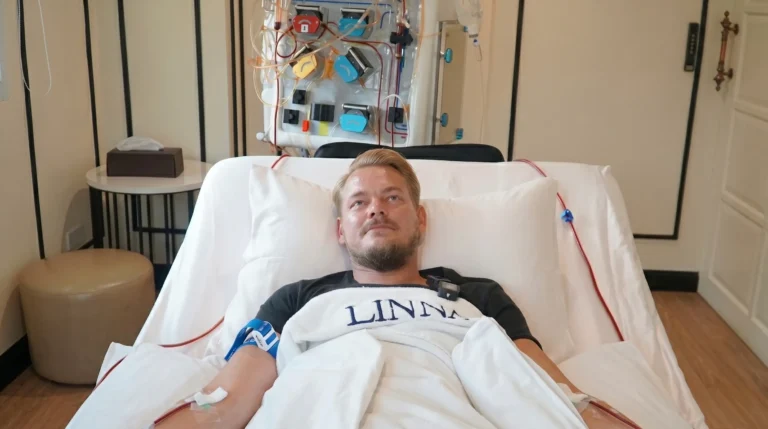
Based on this mechanism, Dendritic Cell Therapy has been developed as a supportive treatment approach for certain types of cancer. Monocytes, a type of white blood cell, are collected from the patient and cultured in a standard laboratory to develop into dendritic cells. These cells are then exposed to tumour antigens and matured before being administered back into the body through an appropriate method.
The dendritic cells present tumour antigens to T-cells, particularly CD8+ T-cells, also known as cytotoxic T lymphocytes, which play an important role in identifying and targeting cancer cells.
How Does Dendritic Cell Therapy Work?
After the dendritic cells are administered back into the body, they travel to the lymph nodes and present cancer-related antigens to T-cells, helping activate an immune response. The activated T-cells multiply and move towards areas containing cancerous or abnormal cells.
When the T-cells recognise the target antigen on the surface of a cancer cell, they attach to the cell and release substances such as perforin and granzyme. These substances may trigger the cancer cell to undergo a natural process of cell death known as apoptosis.
However, Dendritic Cell Therapy does not directly destroy cancer cells in the same way as chemotherapy or radiation therapy. Instead, it is designed to support the immune system in recognising and responding more specifically to cancer cells.
It is generally considered a supportive approach that may be used alongside standard cancer treatments under the supervision of a qualified medical specialist. Treatment outcomes may vary between patients depending on several factors, including the type and stage of cancer, the tumour antigens used, and the individual immune response.

Dendritic Cell Therapy Procedure
The Dendritic Cell Therapy process may vary depending on the techniques and protocols used by each medical facility. The main steps generally include:
- Pre-Treatment Health Assessment
The doctor assesses the type and stage of cancer, previous treatments, and the patient’s overall health. Blood tests, immune function tests, and assessments of major organ function may also be performed to evaluate potential risks and develop an appropriate treatment plan. - White Blood Cell Collection and Cell Culture
A blood sample is collected, and monocytes, a type of white blood cell, are separated and cultured in a standard laboratory. The monocytes are then stimulated to develop into immature dendritic cells (iDCs), which generally takes approximately 5–6 days. - Exposure to Tumor Antigens
The dendritic cells are exposed to tumor antigens to help them recognize the target antigens and present this information to the immune system. This stage may take approximately 1–2 days. - Dendritic Cell Maturation
The dendritic cells are stimulated to develop into mature dendritic cells (mDCs), improving their ability to present antigens and activate T-cells. - Cell Quality and Safety Testing
Laboratory specialists assess the quality, quantity, and viability of the cells, as well as other relevant safety parameters, to confirm that the cells meet applicable standards before clinical use. - Administration of Dendritic Cells
Once the cells have been prepared, the doctor administers them back into the patient’s body using an appropriate method. Depending on the treatment protocol, the cells may be administered intradermally, near the lymph nodes, or intravenously. The procedure usually takes approximately 10–15 minutes. - Post-Treatment Observation
The patient rests and remains under observation for at least 15–30 minutes to monitor for any immediate reactions. The patient may normally return home on the same day once their condition is stable. - Scheduled Treatment Cycles and Follow-Up
The doctor may plan repeated treatment cycles according to the individual treatment protocol, such as every 2–3 weeks. Follow-up appointments are arranged to assess the patient’s response and adjust the treatment plan when appropriate.
Dendritic Cell Therapy should be performed under the supervision of a qualified medical specialist who can assess each patient and develop an individualized treatment plan. The procedure should only be carried out at a medical facility with appropriate standards, sterile systems, and a quality-controlled laboratory.
Dendritic Cell Therapy ช่วยเรื่องอะไร
- Helping T-cells Recognise Cancer Cells More Effectively
Dendritic cells present cancer cell antigens to T-cells, particularly CD8+ T-cells, which play a role in detecting and eliminating abnormal cells. This is consistent with a 2025 review stating that dendritic cells are an important mechanism for activating anti-cancer immunity. They may therefore help the body learn to recognise specific targets and respond more specifically to cancer cells. However, this treatment does not provide certain results for every patient and still has limitations that require further long-term development (Sheykhhasan et al., 2025). - Supporting Disease Control or Slowing Progression in Some Cases
When T-cells in the body are better able to recognise cancer cell antigens, the immune system may continue to detect and respond to cancer cells. This may help support disease control in some patients. However, the results depend on several factors.
A 2025 study involving 16 patients with pancreatic cancer after surgery who received the Neo-P DC vaccine, a dendritic cell vaccine stimulated with neoantigen peptides, found that cancer antigen-specific T-cell responses were activated in 13 patients, or 81.3%. Patients who developed a T-cell response also showed a tendency towards better clinical outcomes. However, this was a retrospective study with a limited number of patients (Oyama et al., 2025). - Enhancing Effectiveness When Combined With Standard Cancer Treatments
Dendritic Cell Therapy may help enhance treatment effectiveness when used alongside standard cancer treatments, such as chemotherapy, radiotherapy, targeted therapy, and other forms of immunotherapy.
A study in patients with oesophageal cancer found that combining a Dendritic Cell Vaccine with radiotherapy could stimulate a cancer-specific immune response. However, this was an observational study with a limited number of patients (Wang et al., 2017).
A meta-analysis combining data from four studies involving 871 patients with colorectal cancer found that chemotherapy combined with a Dendritic Cell Vaccine and CIK Cell Therapy resulted in better survival outcomes than chemotherapy alone. However, the evidence remains limited because the analysis included only four studies, and the effects of the Dendritic Cell Vaccine could not be clearly separated from those of CIK Cell Therapy (Zhou et al., 2018).
Which Types of Cancer May Dendritic Cell Therapy Be Used For?
Dendritic Cell Therapy is currently being studied as a supportive approach for several types of cancer, including:
- Prostate cancer
- Glioblastoma (GBM)
- Melanoma
- Renal cell carcinoma (RCC)
- Other solid tumours, such as certain types of lung cancer, breast cancer, colorectal cancer, pancreatic cancer, and ovarian cancer, which remain under further study
- Certain blood cancers, including multiple myeloma, acute myeloid leukaemia (AML), and some types of lymphoma, most of which are still being evaluated in research and clinical trials
However, suitability and treatment outcomes may vary between individuals depending on factors such as the type and stage of cancer, overall health, immune response, and other treatments being used.
Patients should consult a qualified medical specialist for an individual assessment before deciding on treatment. Dendritic Cell Therapy should be understood as a supportive approach designed to assist the immune response and should not be used as a replacement for standard medical cancer treatments.
Who May Be Suitable for Dendritic Cell Therapy?
Dendritic Cell Therapy may be considered for certain groups of cancer patients who have been assessed by a doctor as potentially benefiting from immune system stimulation, such as:
- Patients with certain cancers that have suitable tumour antigens or identifiable targets
- Patients seeking a supportive approach alongside standard treatment under medical supervision
- Patients with advanced or recurrent cancer
- Patients whose overall health and immune function are suitable for the treatment process
- Patients who understand the treatment limitations, have realistic expectations, and are able to attend regular follow-up appointments
Who May Not Be Suitable for Dendritic Cell Therapy?
Although Dendritic Cell Therapy has been developed as a supportive approach for certain cancers, it may not be suitable for some patients, including:
- Patients with immune system disorders or severe immunodeficiency, as immune stimulation may worsen certain conditions
- Patients with an acute infection, fever, or severe inflammation
- Patients with serious uncontrolled medical conditions, such as heart, liver, kidney, or lung disease
- Patients who are physically too unwell to undergo and continue the treatment process
- Pregnant or breastfeeding women, as there is currently insufficient safety information
- Patients with unrealistic expectations or those seeking to use Dendritic Cell Therapy as a replacement for standard cancer treatment
Is Dendritic Cell Therapy Dangerous? What Are the Possible Side Effects?
Dendritic Cell Therapy is generally considered a treatment that may be carried out with appropriate safety measures when performed under the close supervision of a qualified medical specialist at a standard medical facility or treatment centre.
However, because the treatment involves stimulating the immune system, some patients may experience temporary side effects, such as:
- Pain, swelling, redness, or irritation at the injection site
- Mild fever or chills
- Fatigue or headache
- Muscle or joint pain
- Nausea, reduced appetite, or temporary abdominal discomfort
Potential Advantages of Dendritic Cell Therapy
- A personalised cancer treatment approach: The treatment plan can be tailored to each patient based on several factors, including the type and stage of cancer, target antigens, overall health, and immune response.
- Designed to target specific cells: Dendritic Cell Therapy aims to stimulate an immune response against specific cancer-related targets, which may help reduce effects on unrelated healthy cells.
- Uses the patient’s own immune cells: As the treatment is prepared using the patient’s own immune cells, the risk of cell rejection may be lower. However, side effects may still occur.
- May support immune recognition of cancer cells: The treatment may help the immune system recognise and respond more specifically to cancer cells. It may also support longer-term immune activity, which could contribute to disease control and reduce the risk of recurrence in some patients.
- May be used alongside standard cancer treatments: Dendritic Cell Therapy may be considered as a supportive approach alongside standard treatment, depending on the doctor’s assessment.
- Usually requires limited recovery time: Many patients may return to their normal daily activities within approximately 1–3 days, depending on their condition and response to treatment.
Limitations of Dendritic Cell Therapy
Dendritic Cell Therapy is an immunotherapy approach that has been studied and used in patients with several types of cancer. However, there are important limitations that should be understood before undergoing treatment.
- It cannot replace standard cancer treatment: Dendritic Cell Therapy is generally considered a supportive approach that may be used alongside standard treatment, depending on the doctor’s assessment.
- It is not suitable for every type of cancer: Further research is still required to confirm its effectiveness and suitability for certain types of cancer and patient groups.
- Results vary between individuals: Some patients may respond well, while others may take longer to notice changes or may experience limited benefit. Outcomes depend on several factors, including the type and stage of cancer, the antigens used, the tumour microenvironment, and the individual immune response.
- The treatment process may take several weeks: The process involves cell collection, separation, culture, and exposure to specific antigens. Patients may also require repeated treatment sessions according to the plan prepared by their doctor.
- The cost may be relatively high: The treatment requires advanced technology, personalised cell preparation, and supervision by a specialised medical team.
Self-Care Before and After Dendritic Cell Therapy
Proper care before and after Dendritic Cell Therapy is important to help prepare the body and reduce the risk of possible side effects.
Before Dendritic Cell Therapy
- Attend a detailed medical assessment. The doctor may order blood tests to evaluate blood cell levels, immune function, and the function of major organs. The type and stage of cancer, as well as previous treatments, will also be reviewed to develop an appropriate treatment plan.
- Inform the doctor about any underlying medical conditions, current medications, supplements, herbal products, and known drug allergies.
- Get sufficient rest to prepare the body before cell collection.
- Eat a balanced diet and drink enough water.
- Avoid taking certain medications, supplements, or herbal products without consulting the doctor.
- Inform the doctor if you develop a fever, infection, or acute illness. The appointment may need to be postponed until your condition has improved.
After Dendritic Cell Therapy
- Drink more water, or follow the doctor’s instructions, and get sufficient rest.
- Avoid crowded places and close contact with people who are unwell to reduce the risk of infection.
- Maintain good hygiene, wash your hands regularly, and monitor your body temperature.
- Eat nutritious, freshly prepared food to support overall health and immune balance.
- Avoid strenuous exercise or activities that may cause excessive fatigue during the early stage of treatment.
- Attend all scheduled follow-up appointments so the doctor can monitor symptoms and assess the body’s response.
- Monitor your condition carefully. Seek immediate medical attention if you experience persistent high fever lasting more than 48 hours, difficulty breathing, chest tightness, increasing pain at the injection site, a severe allergic reaction, unusual weakness, or reduced alertness.
Summary
Dendritic Cell Therapy is an immunotherapy approach that uses the patient’s own white blood cells. These cells are cultured and exposed to cancer-related antigens before mature dendritic cells are administered back into the body. The aim is to help stimulate the immune system, particularly T-cells, to recognise and respond more specifically to cancer cells.
Although this approach may be considered alongside standard cancer treatment in certain cases, outcomes vary between individuals depending on factors such as the type and stage of cancer, overall health, and immune function. Dendritic Cell Therapy is a supportive treatment approach and should not be used as a replacement for standard cancer treatment.
Patients interested in Dendritic Cell Therapy should undergo a detailed assessment by a qualified medical specialist. The evaluation may include the type and stage of cancer, previous treatments, overall health, and immune response to determine whether the approach may be suitable for each individual.
References
- Sheykhhasan, M., Ahmadieh-Yazdi, A., Heidari, R., Chamanara, M., Akbari, M., Poondla, N., Yang, P., Malih, S., Manoochehri, H., Tanzadehpanah, H., Mahaki, H., Fayazi Hosseini, N., Dirbaziyan, A., Al-Musawi, S., & Kalhor, N. (2025). Revolutionizing cancer treatment: The power of dendritic cell-based vaccines in immunotherapy. Biomedicine & Pharmacotherapy, 184, 117858. https://doi.org/10.1016/j.biopha.2025.117858
- Oyama, K., Nakata, K., Abe, T., Hirotaka, K., Fujimori, N., Kiyotani, K., Iwamoto, C., Ikenaga, N., Morisaki, S., Umebayashi, M., Tanaka, H., Koya, N., Nakagawa, S., Tsujimura, K., Yoshimura, S., Onishi, H., Nakamura, Y., Nakamura, M., & Morisaki, T. (2025). Neoantigen peptide-pulsed dendritic cell vaccine therapy after surgical treatment of pancreatic cancer: A retrospective study. Frontiers in Immunology, 16, 1571182. https://doi.org/10.3389/fimmu.2025.1571182
- Wang, C., Pu, J., Yu, H., Liu, Y., Yan, H., He, Z., & Feng, X. (2017). A dendritic cell vaccine combined with radiotherapy activates the specific immune response in patients with esophageal cancer. Journal of Immunotherapy, 40(2), 71- https://doi.org/10.1097/CJI.0000000000000155
- Zhou, X., Mo, X., Qiu, J., Zhao, J., Wang, S., Zhou, C., Su, Y., Lin, Z., & Ma, H. (2018). Chemotherapy combined with dendritic cell vaccine and cytokine-induced killer cells in the treatment of colorectal carcinoma: A meta-analysis. Cancer Management and Research, 10, 5363- https://doi.org/10.2147/CMAR.S173201