Cancer treatment today is no longer limited to surgery, chemotherapy, or radiation therapy. There is also an approach known as immunotherapy, which focuses on using the body’s own immune system to help fight cancer cells.
One of the innovations that continues to gain attention in the medical field is CAR-T Cell Therapy. This treatment involves collecting a patient’s T-cells, a type of immune cell, and genetically modifying them to help the cells recognize and attack specific cancer cells more accurately.
It is considered another treatment option for certain patients who do not respond to conventional treatments or whose cancer has returned after previous treatment.
However, although CAR-T Cell Therapy is a highly promising medical advancement, it is also a complex treatment process with certain limitations and potential unwanted side effects. Therefore, patients should study the information carefully and thoroughly before making a decision.
What is CAR-T Cell Therapy? Can it really help treat cancer? What are the benefits and precautions patients should know? This article from LINNA Clinic provides the answers.
Table of Contents
What Is CAR-T Cell Therapy and How Does It Work?
Normally, T-cells are a type of white blood cell that plays an important role in the body’s immune system. Their function is to detect and eliminate abnormal cells, such as cells infected with viruses or bacteria, cells that have undergone abnormal changes, and cancer cells. This process relies on the recognition of antigens found on the surface of cells.
However, some types of cancer cells are able to evade detection by the immune system, making it difficult for T-cells to recognize them and activate an effective response to destroy the cancer cells.
CAR-T Cell Therapy, or Chimeric Antigen Receptor T-cell Therapy, was therefore developed to help overcome this limitation. This treatment involves collecting T-cells from the patient’s body, or from a suitable donor, and modifying them in a laboratory so that they carry a special receptor called CAR or Chimeric Antigen Receptor. This receptor helps T-cells recognize and bind more accurately to target antigens on the surface of cancer cells.
After that, the CAR-T cells are cultured and expanded until there are enough cells for the treatment process, before being infused back into the patient’s body through a vein.
After CAR-T cells enter the body, these newly modified cells use their special receptors to search for and bind to specific antigens on the surface of cancer cells, such as CD19, which is found in certain B-cell cancers, or BCMA, which is found in multiple myeloma.
They then release important substances such as perforin and granzyme to destroy the cancer cells. At the same time, CAR-T cells also release cytokines to help stimulate the immune system and can multiply within the body for a period of time. This may help control the disease and support longer-lasting treatment responses in some patients.

Can CAR-T Cell Therapy really help treat cancer?
CAR-T Cell Therapy is an approach that can truly help treat certain types of cancer, especially in patients with some blood cancers and lymphomas that do not respond to standard treatment or have relapsed.
Although this treatment does not cure every patient in all cases, clinical evidence shows that some patients can respond well to treatment, achieve disease remission, and maintain treatment responses for several years.
Based on long-term follow-up data from the ZUMA-1 study in patients with refractory Large B-cell Lymphoma, Axicabtagene Ciloleucel, or Axi-cel, was found to achieve an overall response rate of 83% and a complete response rate of 58%.
Some patients also continued to respond to treatment over the long term (Neelapu et al., 2023). This suggests that CAR-T Cell Therapy may have the potential to provide long-lasting disease control in certain patients.
Data from the ELIANA study, which followed pediatric and young adult patients with relapsed or refractory B-cell Acute Lymphoblastic Leukemia (B-ALL) for approximately three years, found that Tisagenlecleucel helped many patients achieve disease remission.
Some patients also maintained their response to treatment for several years (Laetsch et al., 2023).
Meanwhile, a long-term review of CAR-T Cell Therapy reported that CD19-targeted CAR-T cells may help some patients with B-cell cancers achieve long-term disease remission and may have the potential to lead to a cure in certain patient groups.
However, treatment outcomes may vary depending on several factors. For BCMA-targeted CAR-T cells in patients with Multiple Myeloma, although the response rates are favorable, the duration of remission is often shorter compared with CD19 CAR-T therapy used in B-cell cancers (Cappell & Kochenderfer, 2023).
Therefore, CAR-T Cell Therapy may be considered another treatment option for certain types of cancer. It has the potential to help control disease severity and may allow some patients to experience a longer disease-free period.
However, treatment outcomes may vary depending on several factors, such as the type of cancer, disease stage, the amount of cancer cells in the body, the patient’s overall health, immune system response, and possible complications that may occur after treatment.

What types of cancer can CAR-T Cell Therapy treat?
Currently, CAR-T Cell Therapy is used to treat certain types of blood cancers and lymphomas. It is usually considered for patients who do not respond to standard treatment or whose disease has relapsed, in order to provide an additional treatment option for patients.
- B-cell Acute Lymphoblastic Leukemia (B-cell ALL)
- Diffuse Large B-cell Lymphoma (DLBCL)
- Mantle Cell Lymphoma (MCL)
- Follicular Lymphoma (FL)
- Multiple Myeloma (MM)
Whether a patient is suitable for CAR-T Cell Therapy depends on several factors, including the type of cancer, disease stage, previous treatments received, and the patient’s overall physical condition.
The physician will assess each patient individually to determine whether this treatment is appropriate.
How Is CAR-T Cell Therapy Different from Conventional Cancer Treatments?
The differences between CAR-T Cell Therapy and conventional cancer treatments can be summarized as follows:
- Treatment approach CAR-T Cell Therapy is a type of immunotherapy that uses the patient’s own T-cells, which are modified to carry a special receptor that can recognize and destroy cancer cells more specifically. In contrast, standard cancer treatments vary depending on the case. These may include surgery to remove the tumor, radiation therapy to destroy or inhibit the growth of cancer cells, chemotherapy to target rapidly dividing cells, and targeted therapy for patients whose disease matches a specific drug target.
- Suitable patient groups
CAR-T Cell Therapy is usually considered for patients with certain blood cancers and lymphomas that do not respond to standard treatment or have relapsed. Conventional cancer treatments, on the other hand, can be used for many types of cancer depending on the patient’s condition and treatment suitability. - Specificity toward cancer cells
CAR-T Cell Therapy is designed to recognize target antigens on the surface of cancer cells, making it more specific to the target cells and helping reduce effects on unrelated normal cells. Chemotherapy acts on rapidly dividing cells, which may also affect normal rapidly dividing cells such as blood cells, hair follicle cells, and cells lining the digestive tract. Radiation therapy may affect normal cells near the treatment area. Targeted therapy, although more specific, can only be used in patients whose cancer has a drug target that matches the treatment.
Who Is CAR-T Cell Therapy Suitable For?
- Patients with certain blood cancers or lymphomas that do not respond to standard treatment or whose disease has relapsed
- Patients whose overall health and major organ function, including the heart, lungs, liver, and kidneys, are suitable for treatment
- Patients who are able to undergo close monitoring after treatment
However, whether a patient is suitable for CAR-T Cell Therapy must be assessed individually by a specialist physician.

Who May Not Be Suitable for CAR-T Cell Therapy?
Although CAR-T Cell Therapy is designed to treat certain types of cancer, it may not be suitable for patients with certain health limitations or underlying conditions, such as:
- Patients with severe uncontrolled infections
- Patients with severely impaired heart, lung, liver, or kidney function
- Patients with certain neurological conditions that may increase the risk of side effects
- Patients who are very physically weak or whose disease is rapidly worsening
- Patients with certain types of cancer that currently do not have approved indications for CAR-T Cell Therapy, such as lung cancer, liver cancer, colorectal cancer, breast cancer, or pancreatic cancer, which are still under further clinical study and trials
- Patients with blood cancers or lymphomas who also have another type of active cancer in the body, as this may affect treatment effectiveness and patient safety
Steps of CAR-T Cell Therapy
CAR-T Cell Therapy is a personalized cancer treatment process. The main steps include:
- Pre-treatment assessment The doctor evaluates the type of cancer, disease stage, treatment history, and the patient’s overall physical readiness in order to plan the most appropriate treatment.
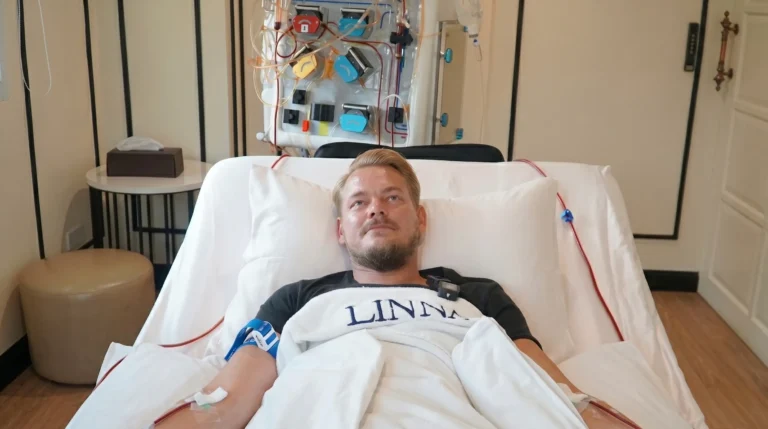
- Collection of T-cells from the patient’s blood Blood is drawn from a vein and processed through leukapheresis to separate the T-cells. The remaining blood components are then returned to the patient’s body.
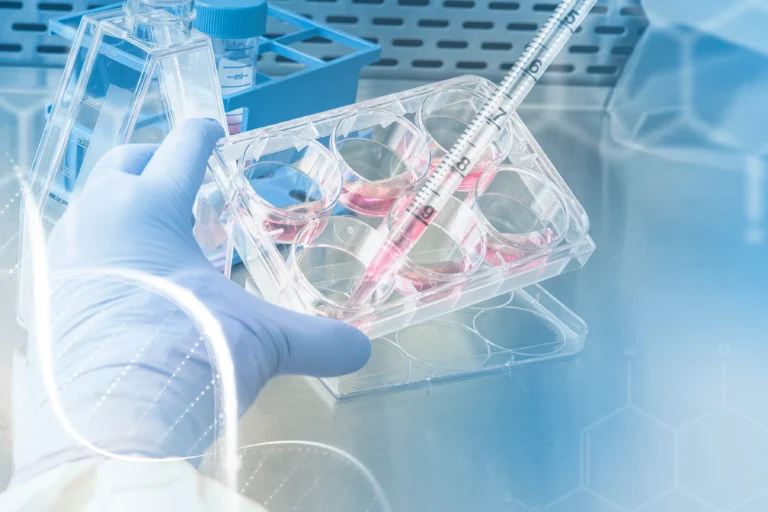
- Cell modification in the laboratory The T-cells are modified to carry CAR receptors, which help the cells recognize and bind more specifically to the target cancer cells.
- Expansion of CAR-T cells After the cells are modified, the CAR-T cells are multiplied until there are enough cells for treatment. This step may take several weeks. During this period, the doctor may provide additional treatment to help control the disease while waiting for the cells.
- Preparation before CAR-T cell infusion Patients usually receive low-dose chemotherapy before receiving CAR-T cells. This helps reduce certain immune cells and prepares the body to receive the new cells.
- Infusion of CAR-T cells into the body The doctor infuses the CAR-T cells back into the patient’s body through a vein. The infusion usually takes about 30–45 minutes, or longer in some cases.
- Post-treatment monitoring After receiving CAR-T cells, patients usually need to stay in the hospital or treatment center for approximately 1–2 weeks to evaluate the body’s response and closely monitor any symptoms. Once the patient’s condition is stable, the doctor may consider allowing the patient to return home. However, some patients may need to stay near the hospital or treatment center for a period of time, depending on the doctor’s judgment.

Benefits of CAR-T Cell Therapy
- CAR-T Cell Therapy is a form of targeted immunotherapy, which means it can act more specifically against cancer cells and may help reduce potential effects on unrelated normal cells.
- It uses the patient’s own immune cells to directly fight cancer cells and is designed as a personalized treatment, which may help reduce the risk of rejection by the body.
- It provides an additional treatment option for patients with certain blood cancers, especially in cases where standard treatments are ineffective or the disease has relapsed.
- CAR-T cells can multiply and function in the body for a period of time. This may help the disease enter remission and allow some patients to experience a longer disease-free period.
Limitations of CAR-T Cell Therapy
- CAR-T Cell Therapy can only be used for certain types of cancer, especially certain blood cancers and lymphomas that have clear target antigens on the surface of cancer cells.
- It is not usually a first-line treatment for most patients. Doctors generally consider CAR-T Cell Therapy for patients who do not respond to standard treatment or whose disease has relapsed.
- The cost is relatively high because the treatment requires advanced technology and personalized cell preparation.
- It is a treatment process that takes time, usually around 2–4 months, or longer in some cases. Therefore, it is more suitable for patients who are in relatively good overall health and have sufficient time for the treatment process.
- Close monitoring is required after treatment. Patients usually need to stay in the hospital for approximately 1–2 weeks. After that, they may need to remain near the hospital for up to 4 weeks, so they can receive immediate medical care if any abnormal symptoms occur, and continue attending follow-up appointments as scheduled.
Important Things to Know About CAR-T Cell Therapy
Although CAR-T Cell Therapy can provide an additional treatment option for patients with certain types of cancer, there are several important points that should be understood:
- Treatment outcomes vary from person to person Results may depend on several factors, such as the type of disease, disease stage, overall health, previous treatments received, and how the body responds to CAR-T Cell Therapy.
- Some patients may need bridging treatment while waiting for CAR-T cells During the waiting period, some patients may receive additional treatments such as chemotherapy, radiation therapy, targeted therapy, or immunotherapy to help control the disease.
- Low-dose chemotherapy is usually given before CAR-T cell infusion Before receiving CAR-T cells, patients are often given low-dose chemotherapy to reduce certain immune cells and prepare the body for CAR-T cell expansion and activity.
- Close monitoring for side effects is required Possible side effects that require close observation include Cytokine Release Syndrome (CRS), neurological side effects such as ICANS, infection risk, fatigue, low blood cell counts, or reduced immune function.
- Continuous follow-up is necessary after treatment Patients need regular follow-up appointments for several months or even years. The doctor will monitor treatment response, watch for disease relapse, and assess any delayed complications that may occur.
Is CAR-T Cell Therapy Safe? What Are the Possible Side Effects?
CAR-T Cell Therapy can be an effective cancer treatment when performed under the care of experienced medical specialists in a qualified medical facility. However, this treatment may cause side effects that require close monitoring, especially during the early phase of treatment. Possible side effects include:
- Cytokine Release Syndrome (CRS) This occurs when the immune system responds too strongly after receiving CAR-T cells. Symptoms may include fever, chills, low blood pressure, difficulty breathing, fatigue, or, in severe cases, failure of major organs.
- Neurological side effects or ICANS Some patients may experience neurological symptoms such as confusion, dizziness, difficulty communicating, drowsiness, hand tremors, muscle twitching, balance problems, or seizures in some cases.
- Low blood cell counts and low platelet counts This may cause fatigue, anemia, easy bleeding, and a higher tendency to bruise or swell more easily than usual.
- Infection risk Because the immune system may be weakened during the early period after treatment, patients must maintain strict hygiene and monitor themselves closely. If any abnormal symptoms occur, they should seek medical attention immediately.
How to Take Care of Yourself Before and After CAR-T Cell Therapy
Before CAR-T Cell Therapy
Patients should strictly follow their doctor’s instructions. General recommendations include:
- Inform the doctor of your complete health history, including underlying diseases, medications and supplements you are taking, history of drug or substance allergies, surgical history, and previous cancer treatments.
- Undergo all health assessments as recommended by the doctor. These may include blood tests, evaluation of major organ function such as the heart, lungs, kidneys, and liver, and infection screening. In some cases, bone marrow examination, CT scan, or MRI may also be considered.
- Get enough rest and eat nutritious food to prepare the body before cell collection.
- Maintain good overall health, avoid crowded places, and avoid close contact with people who are sick.
- Prepare a caregiver. After receiving CAR-T cells, patients may experience side effects that require close monitoring, especially during the first 4 weeks after treatment.
After CAR-T Cell Therapy Patients should follow these recommendations:
- Avoid driving, operating machinery, or using tools that may pose a risk of injury for at least 8 weeks.
- Avoid crowded places while immunity is low, wash hands frequently, and maintain good hygiene to reduce the risk of infection.
- Measure body temperature 1–2 times per day and record it to monitor any changes.
- Eat nutritious, freshly prepared food. Avoid overnight food and undercooked or raw food.
- Drink clean water in the amount recommended by the doctor. Avoid alcoholic and caffeinated beverages.
- Get enough sleep and avoid strenuous activities, including heavy exercise. During recovery, patients may do light activities such as walking or gentle yoga.
- Attend all follow-up appointments regularly. Take medications exactly as prescribed. Do not stop, adjust, or take additional supplements or herbal products without consulting the doctor.
- If abnormal symptoms occur, such as chills, fever higher than 38°C, difficulty breathing, nausea, vomiting, or new neurological symptoms, the patient should seek medical attention immediately.
Summary
CAR-T Cell Therapy is an innovative cancer treatment that uses the immune system by modifying T-cells so they can specifically recognize and attack target cancer cells. It plays an important role in cancer treatment, especially for certain blood cancers and lymphomas. It helps provide an additional treatment option for patients who do not respond to other forms of cancer treatment or whose disease has returned after previous treatment. It may help control the disease for a longer period and support the patient’s overall quality of life.
However, CAR-T Cell Therapy may not be suitable for all cancer patients, and treatment outcomes can vary depending on the stage of disease, health condition, and individual response. Patients who are interested should be evaluated by an experienced specialist to assess risks and plan treatment appropriately, helping ensure that the treatment process is safe and suitable for the patient’s condition.
References
- Neelapu, S. S., Jacobson, C. A., Ghobadi, A., Miklos, D. B., Lekakis, L. J., Oluwole, O. O., Lin, Y., Braunschweig, I., Hill, B. T., Timmerman, J. M., Deol, A., Reagan, P. M., Stiff, P., Flinn, I. W., Farooq, U., Goy, A. H., McSweeney, P. A., Munoz, J., Siddiqi, T., … Locke, F. L. (2023). Five-year follow-up of ZUMA-1 supports the curative potential of axicabtagene ciloleucel in refractory large B-cell lymphoma. Blood, 141(19), 2307–2315. https://doi.org/10.1182/blood.2022018893.
- Laetsch, T. W., Maude, S. L., Rives, S., Hiramatsu, H., Bittencourt, H., Bader, P., Baruchel, A., Boyer, M., De Moerloose, B., Qayed, M., Buechner, J., Pulsipher, M. A., Myers, G. D., Stefanski, H. E., Martin, P. L., Nemecek, E., Peters, C., Yanik, G., Khaw, S. L., … Grupp, S. A. (2023). Three-year update of tisagenlecleucel in pediatric and young adult patients with relapsed/refractory acute lymphoblastic leukemia in the ELIANA trial. Journal of Clinical Oncology, 41(9), 1664–1669. https://doi.org/10.1200/JCO.22.00642
- Cappell, K. M., & Kochenderfer, J. N. (2023). Long-term outcomes following CAR T cell therapy: What we know so far. Nature Reviews Clinical Oncology, 20, 359–371. https://doi.org/10.1038/s41571-023-00754-1