

mRNA COVID-19 vaccines such as Pfizer and Moderna were developed during the global pandemic to help reduce disease severity and significantly lower mortality rates. According to current data, billions of mRNA vaccine doses have been administered worldwide.
However, over time, some individuals who have received these vaccines have reported experiencing certain side effects, leading to growing concerns and questions about long-term safety. In November 2023, the state of Texas filed a lawsuit against Pfizer, alleging deceptive advertising and misleading claims (1), which may constitute a violation of the Deceptive Trade Practices Act (DTPA). The lawsuit claims that Pfizer overstated the effectiveness of its vaccine and may have failed to adequately disclose certain potential risks. The case is currently under appeal after the initial dismissal and has not yet reached a final ruling as of today.
This article from LINNA Clinic provides an overview of what mRNA vaccines are, which brands are available, potential side effects that may occur in some cases, and explores appropriate and safe approaches to support health recovery after COVID-19 vaccination.
Table of Contents
What Is an mRNA Vaccine? Which Brands Are Available?
An mRNA (messenger ribonucleic acid) vaccine is a newer type of vaccine that does not use the whole virus and does not cause actual infection. Instead, it uses genetic material (mRNA) to instruct the body’s cells to produce a specific part of the virus.
In the case of COVID-19 vaccines, the mRNA contains the genetic code for the spike protein, a key structure found on the surface of the virus. Once administered, the body’s cells temporarily produce this harmless spike protein, allowing the immune system to recognize it as a foreign substance. This process then stimulates the production of antibodies and enhances the activity of T-cells, preparing the body to respond more effectively if exposed to the real virus in the future.
Currently, there are two widely approved and commonly used mRNA COVID-19 vaccines in many countries, including Thailand:
- Pfizer (BioNTech/Pfizer) – Developed in the United States, with approximately 95% efficacy in preventing symptomatic COVID-19 after completing two doses
- Moderna – Developed in the United States, with approximately 94.1% efficacy in preventing symptomatic COVID-19 after completing two doses
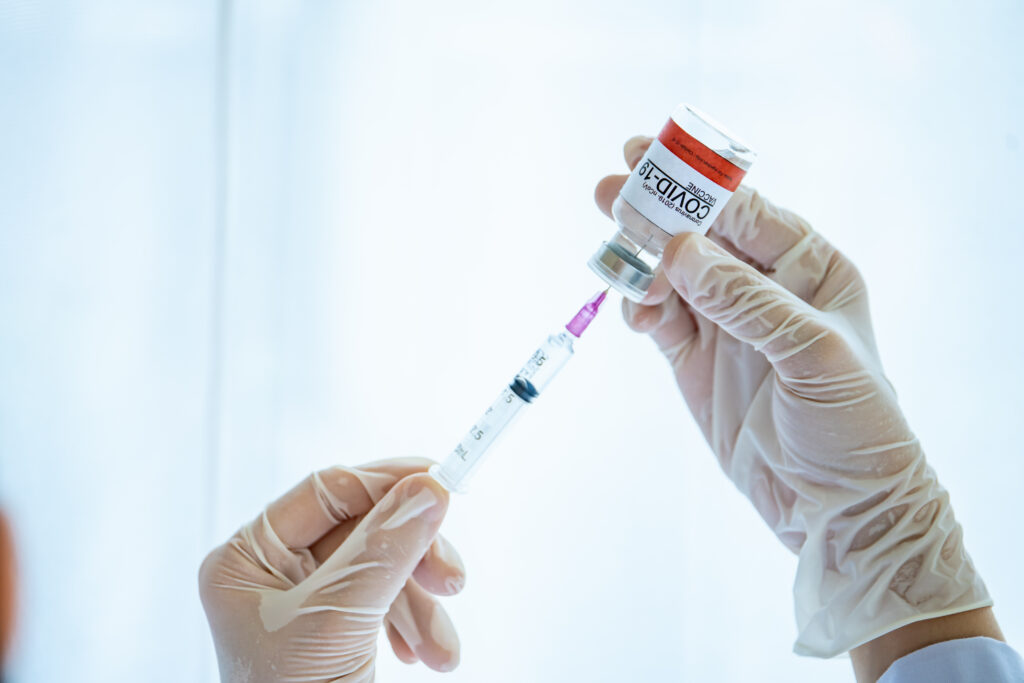
Common Side Effects After mRNA Vaccination
After receiving an mRNA COVID-19 vaccine, some side effects may occur. These are generally temporary and usually resolve on their own within 2–3 days after vaccination. Commonly reported symptoms include:
- Pain, swelling, or redness at the injection site
- Low to moderate fever, chills, or flu-like symptoms
- Headache and fatigue
- Nausea, vomiting
- Muscle or joint pain
Potentially Serious Side Effects of mRNA Vaccines
Although COVID-19 vaccines play an important role in reducing severe illness and mortality, there are concerns about rare side effects that may have more significant health impacts. These concerns—particularly related to mRNA vaccines—have been increasingly discussed.
- Myocarditis and Pericarditis
Based on U.S. health insurance claims data from 2023–2024 (2), the incidence is estimated at approximately 8 cases per 1 million doses among individuals aged 6 months to 64 years. A higher rate has been observed in males aged 16–25 years, with approximately 38 cases per 1 million doses occurring within 7 days after vaccination. Following these findings, the U.S. FDA required Pfizer/BioNTech and Moderna to update and expand warning labels regarding the risk of myocarditis and pericarditis to improve transparency in public risk communication. - Severe Allergic Reaction (Anaphylaxis)
The incidence of anaphylaxis is estimated at approximately 11 cases per 1 million doses (3). Symptoms may occur within 15–30 minutes after vaccination and can include hives, widespread itching, difficulty breathing or wheezing, chest tightness, swelling of the lips, tongue, or throat, rapid heartbeat, nausea, or vomiting. These reactions can be treated with epinephrine and standard medical care, with most patients recovering fully.
However, reports from the Centers for Disease Control and Prevention (CDC) and the World Health Organization (WHO) indicate that mRNA COVID-19 vaccines continue to provide significant benefits in reducing disease severity and mortality, with risks of serious side effects remaining low.
For safety, individuals are advised to consult a physician, provide a complete medical history, follow medical guidance, and closely monitor their condition after vaccination.

Health Recovery Approaches After mRNA COVID-19 Vaccination
After receiving a COVID-19 vaccine, particularly mRNA vaccines, it is important to monitor your body regularly and follow appropriate recovery approaches to support overall health:
- Get adequate rest – Aim for at least 6–8 hours of sleep per day to allow the body to fully recover
- Maintain a healthy diet – Focus on anti-inflammatory foods such as fresh fruits and vegetables, fish, and healthy fats, while reducing sugar and processed foods
- Engage in light exercise – Activities such as walking, yoga, or stretching can help improve circulation
- Consult a doctor if unusual symptoms occur – If you experience new or persistent symptoms such as palpitations, fatigue, or brain fog, seek medical evaluation for proper assessment and personalized care
- Check Spike Protein Antibody Levels – This helps assess whether the body still has immunity against COVID-19, especially in individuals who were previously infected or vaccinated several months ago. It may also help evaluate potential risks associated with persistent spike protein in the body, which could be linked to endothelial dysfunction, increased cardiovascular risk, inflammation (both acute and chronic), immune imbalance, and Long COVID-like symptoms
- Medical-based recovery approaches – These may include personalized vitamin supplementation, IV therapy to deliver essential nutrients directly into the bloodstream for immune support, fatigue reduction, and anti-inflammatory effects, as well as EBOO Therapy (Extracorporeal Blood Oxygenation and Ozonation). This therapy involves circulating blood through a sterile filtration system to help remove unwanted substances, followed by the infusion of low-concentration ozone before returning the blood back into the body. This process may support circulation, reduce chronic inflammation, and help restore vascular balance. It may be suitable for individuals experiencing fatigue or feeling that their body has not fully returned to normal after vaccination.
However, these recovery approaches are considered supportive options to promote internal balance and are not intended to diagnose, treat, or prevent disease. All treatments should be performed under the supervision of a qualified physician.
Summary
Although mRNA vaccines such as Pfizer and Moderna play a significant role in reducing the severity of COVID-19, there are reports of certain side effects that should be monitored—especially in individuals who feel that their body has not fully returned to normal after vaccination, such as experiencing fatigue, reduced immunity, or circulatory changes.
If you are experiencing these concerns, LINNA Clinic offers integrative health recovery approaches, including IV Therapy, Spike Protein Antibody testing, and EBOO Therapy, designed to support detoxification, enhance immune function, and restore circulatory balance safely under the care of experienced physicians with over 14 years of expertise in regenerative and supportive therapies.
To schedule a consultation and receive a personalized health recovery plan, please contact:
Call: 063-609-8888 | LINE: @linnaclinic
Reference
- FDA warns of heart inflammation risk tied to COVID-19 vaccines in new review. CNN Health. 21 พฤษภาคม เข้าถึงได้จาก: https://edition.cnn.com/2025/05/21/health/fda-covid-vaccine-warning-heart-inflammation
- Pfizer vaccine petition filed. (2024). DocumentCloud. เข้าถึงได้จาก: https://www.documentcloud.org/documents/24179320-pfizer-vaccine-petition-filed
- (2021). Allergic Reactions Including Anaphylaxis After Receipt of the First Dose of Pfizer-BioNTech COVID-19 Vaccine — United States, December 14–23, 2020. MMWR Morb Mortal Wkly Rep, 70(2), 46–51. เข้าถึงได้จาก: https://www.cdc.gov/mmwr/volumes/70/wr/mm7002e1.htm