In an era where people are increasingly focusing on holistic health, care is no longer limited to external appearance but also extends to internal systems that influence energy levels, immunity, and overall recovery. One essential system that should not be overlooked is the lymphatic system, which plays a key role in filtering waste and foreign substances, maintaining fluid balance, and supporting normal immune function.
Lymphatic Drainage, or lymphatic massage, has therefore become a widely discussed approach to health care. It is a gentle and safe process that helps stimulate lymphatic circulation, reduce accumulated fatigue, support the immune system, and restore balance in the body, leaving you feeling lighter and more refreshed.
This article from LINNA Clinic brings together everything you need to know about Lymphatic Drainage—what it is, its benefits, and important considerations before deciding to undergo the treatment—so you can achieve optimal results that align with your health goals.
Table of Contents
What Is the Lymphatic System? Why Is It Important for the Body?
The lymphatic system is one of the body’s essential systems that works alongside the circulatory and immune systems. It functions as a network distributed throughout the body. The lymphatic system consists of lymph fluid, lymph vessels, lymph nodes, and related organs such as the spleen, thymus, tonsils, and bone marrow. It plays several important roles, including:
- Maintaining fluid balance by returning excess fluid from tissues back into the bloodstream, helping reduce swelling caused by fluid retention
- Filtering and removing waste, foreign substances, pathogens, and damaged cells from circulation
- Supporting the immune system by acting as a first line of defense in detecting toxins and assisting the function of white blood cells
- Absorbing fats and fat-soluble vitamins in the small intestine and transporting them into the bloodstream
If lymphatic circulation slows down or becomes impaired, it may lead to symptoms such as swelling, fatigue, increased susceptibility to infections, slower recovery, and dull or less radiant skin.
How Can You Stimulate Lymphatic Circulation?
In general, lymphatic flow can be improved through several methods, such as:
- Getting adequate sleep
- Drinking plenty of water to support circulation and waste elimination
- Moving the body regularly and exercising
- Practicing meditation and breathing exercises
- Using sauna or traditional massage techniques, which may help support lymphatic function
- Undergoing Lymphatic Drainage performed by a therapist to help restore internal balance
What Is Lymphatic Drainage? How Is It Different from Massage?
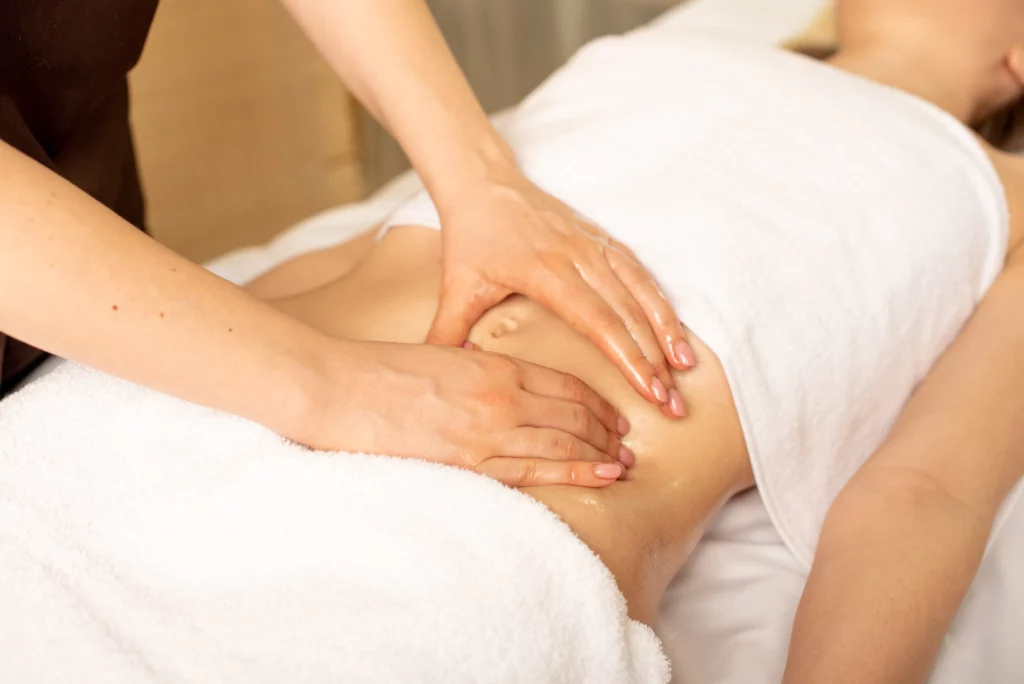
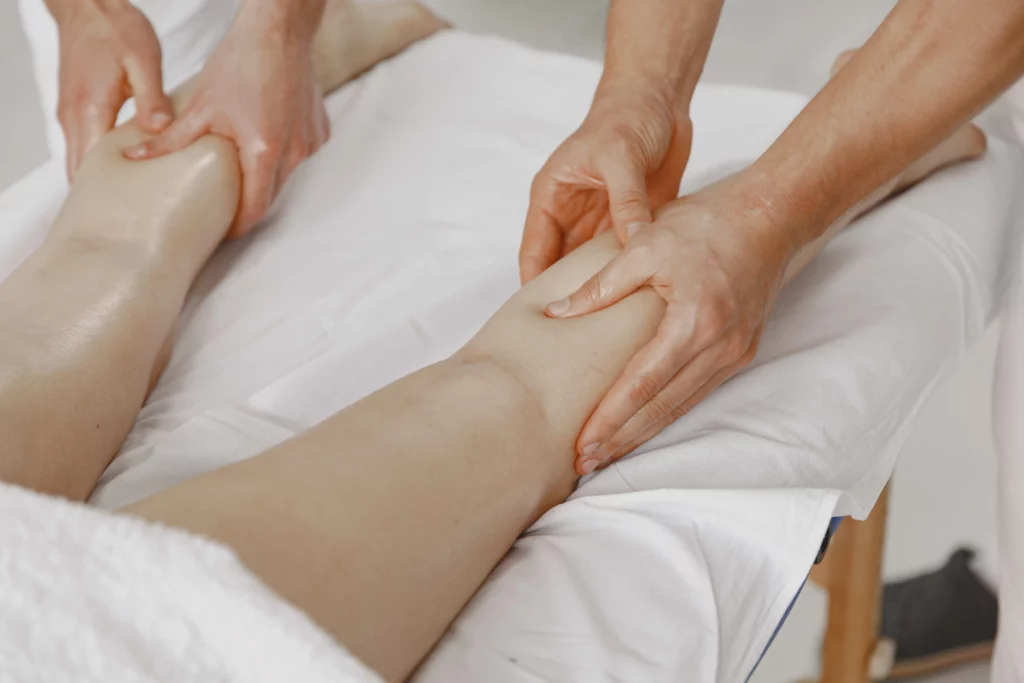
Lymphatic Drainage is a technique that stimulates the lymphatic system using gentle, rhythmic pressure. A therapist applies light pressure along the pathways of lymph vessels to help move lymph fluid, along with accumulated substances such as excess fluid, waste, toxins, and damaged cells, toward the lymph nodes before returning them to the circulatory system.
The results include improved circulation, reduced swelling, a lighter and more comfortable body, reduced tension in various areas, and support for immune function—helping restore internal balance.
In contrast, traditional massage differs significantly in both technique and purpose. It typically involves deeper and stronger pressure aimed at relaxing muscles, relieving tension and soreness, and improving overall physical mobility.
Results After Lymphatic Drainage
- The body feels lighter and more comfortable, with reduced heaviness and tightness, as excess fluid is properly moved back into circulation
- Reduced swelling and a slimmer appearance in areas such as the face, neck, underarms, arms, torso, abdomen, and legs
- Increased relaxation and improved sleep quality
- Temporary increase in urination, as well as increased thirst or appetite, due to the body eliminating excess fluid
The time it takes to see results may vary depending on factors such as baseline health, individual response, and personal self-care habits.
Types of Lymphatic Drainage
In general, Lymphatic Drainage can be divided into two main types:
- Manual Lymphatic Drainage (MLD)
This method uses gentle, rhythmic hand movements applied along the lymphatic vessels and nodes throughout the body to help move excess fluid out of the tissues. A key advantage of manual techniques is the ability to adjust pressure and apply various methods, such as stationary circles, scoop technique, pump technique, and rotary technique. It can be performed on multiple areas of the body and provides a high level of relaxation. - Device-Assisted Lymphatic Drainage
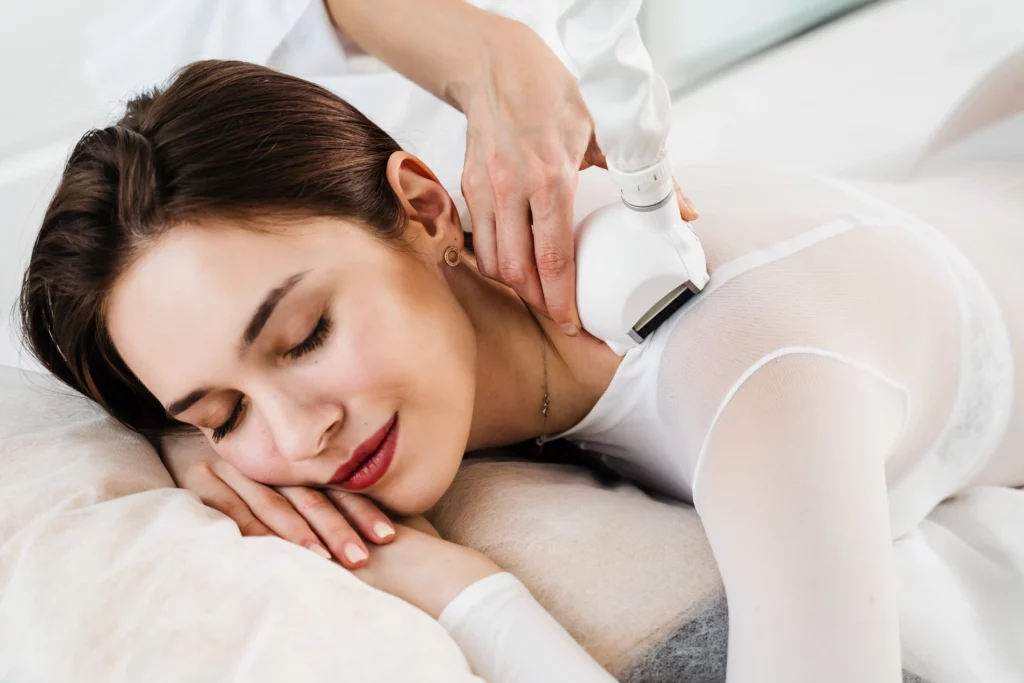
This approach uses equipment such as intermittent pneumatic compression, vacuum suction systems, or photobiomodulation (PBM) to stimulate fluid movement within tissues, reduce swelling, and support lymphatic and blood circulation. The advantage of this method is the ability to precisely control pressure levels, ensure consistency across all areas, and provide more comprehensive results (depending on the technology used).
The choice of lymphatic drainage method depends on individual health conditions and treatment goals. It is recommended to consult with a qualified professional to determine the most suitable approach.
What Does Lymphatic Drainage Help With?
Lymphatic drainage, whether performed manually or with appropriate devices, can support the body in several ways, including:
- Promoting lymphatic circulation and helping reduce swelling caused by excess fluid accumulation in tissues
- Supporting recovery after long travel, prolonged inactivity, or lack of rest, helping the body feel lighter and more refreshed
- Improving skin appearance, helping the skin look brighter and less dull due to better circulation
- Supporting immune system function, helping the body stay stronger, reducing the likelihood of illness, and improving recovery
- Supporting post-procedure recovery — research suggests that lymphatic drainage may help reduce swelling from fluid retention, decrease tissue tightness, and support recovery after certain aesthetic procedures or surgeries, potentially improving patient satisfaction (Marxen et al., 2023)
- Helping reduce stress and accumulated fatigue — studies on manual lymphatic drainage (MLD) applied to the neck in healthy individuals found that it may help lower systolic blood pressure, and certain techniques may temporarily reduce heart rate, which is associated with relaxation responses; however, further long-term studies are needed (Río-González et al., 2020)
- Helping relieve constipation — clinical evidence suggests that abdominal massage, particularly manual lymphatic drainage (MLD), may help improve chronic constipation and support bowel movements in adults in their 20s; however, more research in diverse populations and long-term studies is still required to confirm these findings (Drouin et al., 2020)
Treatment Areas for Lymphatic Drainage
Lymphatic drainage can be performed on multiple areas of the body, including:
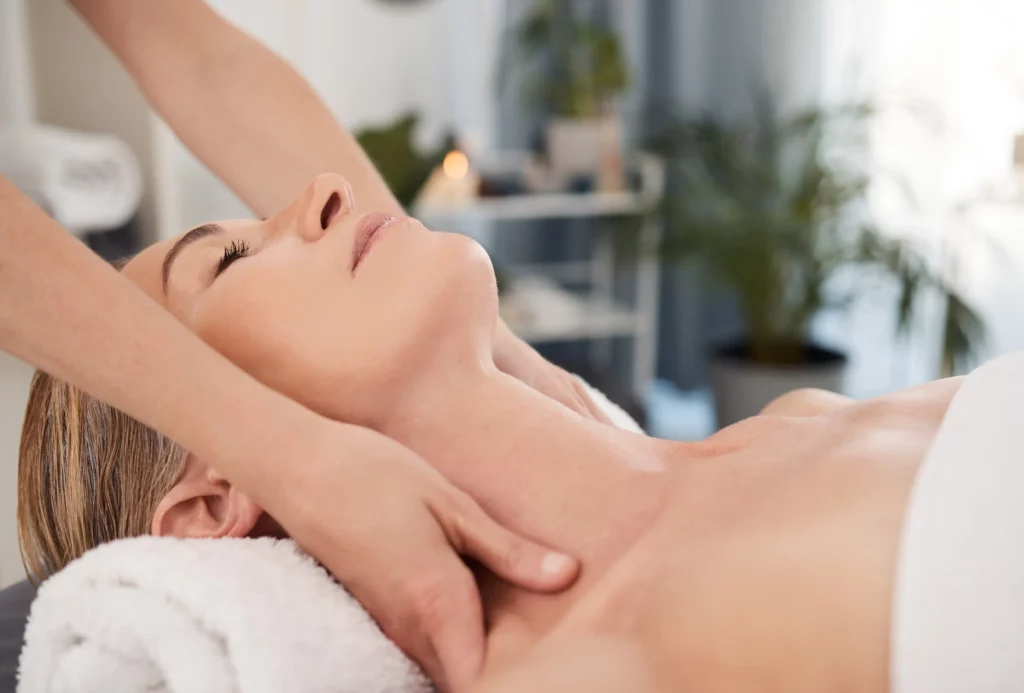
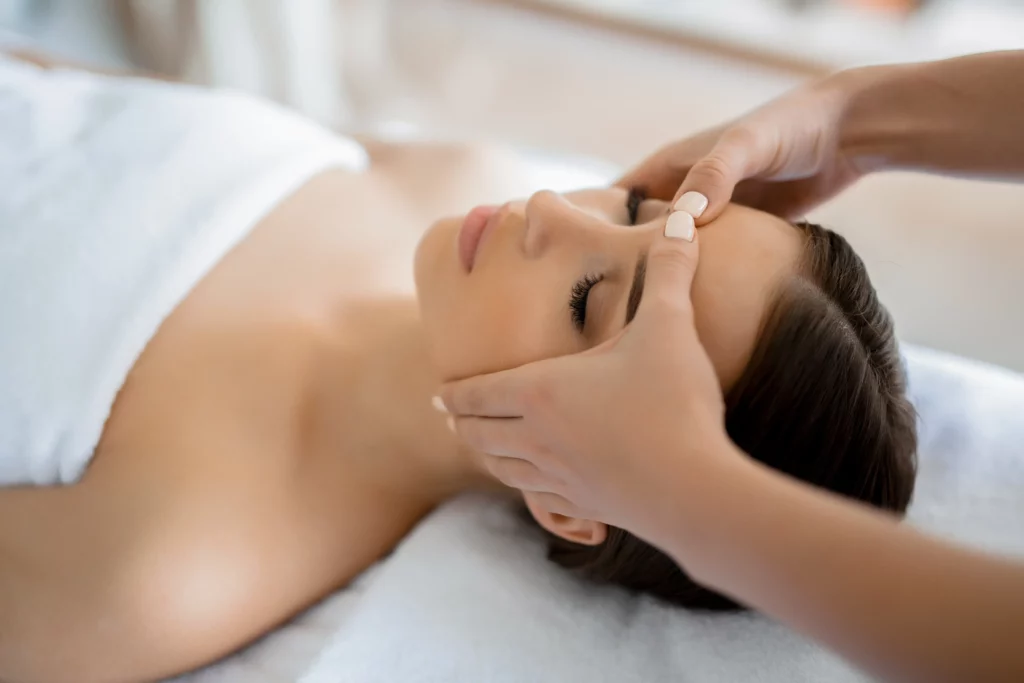
- Face – reduces swelling, stimulates circulation, and improves skin appearance
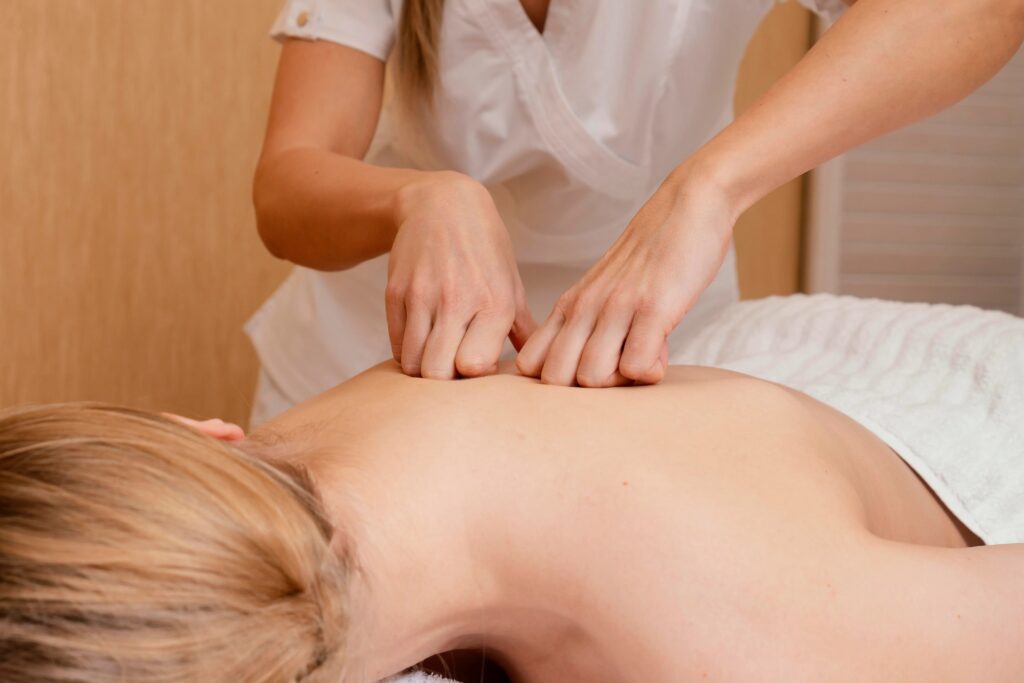
- Neck, shoulders, and back – relieves tension and helps remove waste
- Underarms and arms – reduces swelling
- Abdomen and hips
- Thighs and calves
- Feet – helps reduce swelling in the feet and ankles
The choice of treatment area depends on individual health conditions and personal goals.
Who Is Suitable for Lymphatic Drainage?
- Individuals with lymphedema or lymphatic blockage, leading to easier swelling than normal
- Those with limited physical movement, such as people who sit for long periods or frequently travel long distances
- Individuals who feel fatigued, heavy, or lacking energy due to insufficient rest or accumulated stress
- Those looking to recover after intense exercise, including athletes who train regularly
- Individuals in the recovery phase seeking to reduce swelling after surgery
- Those who want to support overall health and enhance immune system function
Is Lymphatic Drainage Safe? Are There Any Side Effects?
In general, Lymphatic Drainage is a gentle recovery massage performed manually or with standardized equipment, and is considered safe when carried out under the supervision of a qualified professional or experienced therapist. Before starting the treatment, a thorough health assessment should be conducted to evaluate risks and design an appropriate, personalized recovery plan.
However, some temporary side effects may occur after treatment, such as mild soreness or tightness in certain areas, fatigue, dizziness, increased urination, or feeling more thirsty than usual. These symptoms are typically temporary and tend to improve within 1–3 days.
How Often Should You Do Lymphatic Drainage?
The frequency and time required to see results may vary depending on each individual’s health condition. Some people may feel lighter and notice reduced swelling or tightness from the very first session, while others may require several weeks of consistent treatment to see more noticeable changes.
- For individuals prone to swelling, with lymphatic retention, or in post-surgical recovery, doctors may recommend 1–2 sessions per week for 4–6 weeks, followed by maintenance sessions 1–2 times per month for optimal results
- For general wellness, athletes, or post-travel recovery, treatments may be done 1–2 times per month, or as part of a customized program recommended by a physician
All treatments should be performed under the supervision of a qualified professional or experienced therapist, who can assess the body and determine the most appropriate treatment frequency.
Pre- and Post-Care for Lymphatic Drainage
Pre-Treatment Preparation for Lymphatic Drainage
- Get adequate rest, aiming for 6–8 hours of sleep, and keep your mind relaxed and stress-free
- Drink plenty of water to help support lymphatic circulation
- Maintain overall health and avoid skin injuries, wounds, or inflammation
- Avoid alcohol and smoking for at least 1–2 days before the treatment
- Inform your therapist about your medical history, underlying conditions, medications, and supplements in detail to assess any potential risks before the procedure
Post-Treatment Care After Lymphatic Drainage
- Drink plenty of water to help eliminate waste from the body
- Engage in light activities such as walking, yoga, or regular movement to stimulate circulation
- Avoid intense exercise or strenuous activities for at least 24 hours after the treatment
- Avoid alcohol, spicy foods, salty foods, and fried foods to reduce fluid retention
- Get adequate rest to allow the body to fully recover
- Monitor your condition closely. If you experience unusual symptoms such as pain, redness or swelling in treated areas, severe fatigue, dizziness, or high fever, consult a doctor immediately
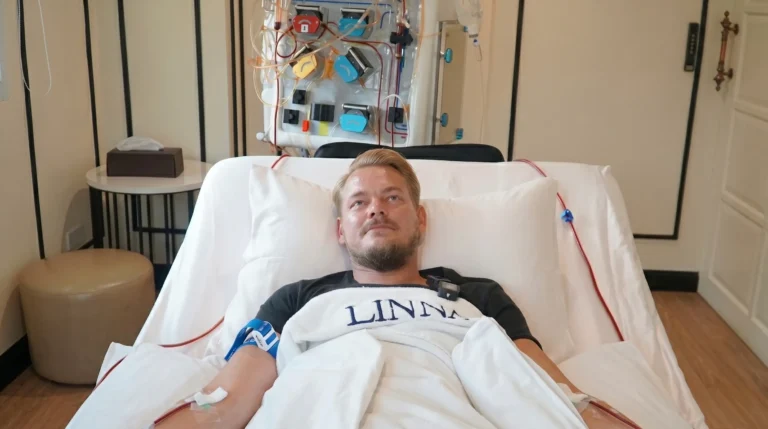
LINNA Lymphatic Drainage Therapy by Advanced Robotic Technique at LINNA Clinic
LINNA Lymphatic Drainage Therapy by Advanced Robotic Technique is an advanced innovation from Italy designed to support health recovery and detoxification. It has been recognized by medical professionals in over 50 countries worldwide. The treatment stands out by integrating three advanced technologies into one system:
- Roboderm® patented technology
Helps address various skin concerns through a vacuum massage system called Multi Micro Alveolar Stimulation (M.M.A.S.), which stimulates activity within connective tissue spaces. Results may be noticeable from the first session (results may vary by individual). - 915 nm LASER
Penetrates deeply into fat and muscle layers, helping to reduce inflammation, release fibrotic tissue, and support oxygen delivery to cells more effectively. - 650 nm LED
Stimulates collagen and elastin production, helping to restore skin strength and improve overall skin vitality.
The system includes over 40 intelligent programs and 11 interchangeable handpieces, allowing practitioners to customize treatments according to each individual’s body structure and goals. The procedure is comfortable, non-invasive, and can be performed regularly without strict time limitations.
Who Is LINNA Lymphatic Drainage Therapy Suitable For?
- Individuals with lymphatic insufficiency, lymphedema, or general swelling (edema)
- Those with vascular-related concerns, such as poor venous return, chronic wounds, or reduced circulation in certain areas
- Individuals with scars, burns, or post-burn conditions
- Those with post-surgical fibrosis or scar tissue
- Individuals experiencing cellulite or uneven skin texture
- Those with digestive concerns such as constipation or irregular bowel movements
At LINNA Clinic, we are committed to providing holistic health care through the LINNA Lymphatic Drainage Therapy by Advanced Robotic Technique, conducted under careful assessment by experienced professionals. Each treatment plan is personalized to ensure appropriate care and optimal results based on individual needs.
If you experience frequent swelling, accumulated fatigue, or are looking to begin improving your health and internal balance through lymphatic drainage by qualified specialists, you may contact LINNA Clinic for consultation and a personalized treatment plan at:
📞 063-609-8888
WhatsApp: +66 919799554
LINE: @linnaclinic
References
- Marxen, T., Shauly, O., Goel, P., Tsan, T., Faria, R., & Gould, D. J. (2023). The utility of lymphatic massage in cosmetic procedures. Aesthetic Surgery Journal Open Forum, 5, ojad023. https://doi.org/10.1093/asjof/ojad023
- Río-González, Á., Cerezo-Téllez, E., Gala-Guirao, C., González-Fernández, L., Díaz-Meco Conde, R., de la Cueva-Reguera, M., & Gutiérrez-Ortega, C. (2020). Effects of different neck manual lymphatic drainage maneuvers on the nervous, cardiovascular, respiratory and musculoskeletal systems in healthy students. Journal of Clinical Medicine, 9(12), 3978. https://pubmed.ncbi.nlm.nih.gov/33339196/
- Drouin, J. S., Pfalzer, L., Shim, J. M., & Kim, S. J. (2020). Comparisons between manual lymph drainage, abdominal massage, and electrical stimulation on functional constipation outcomes: A randomized, controlled trial. International Journal of Environmental Research and Public Health, 17(11), 3924. https://doi.org/10.3390/ijerph17113924