
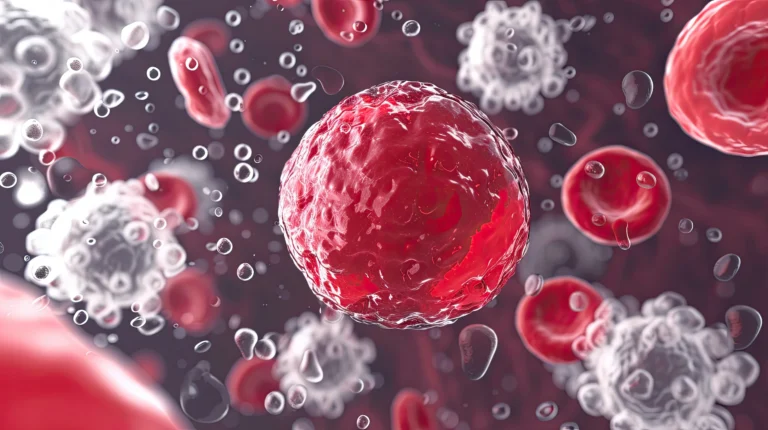
In recent years, the vascular system has been recognized as one of the most essential structures in the body, responsible for transporting blood, oxygen, and nutrients to various organs to maintain normal bodily function. However, with aging and certain contributing factors, the vascular system may begin to deteriorate, leading to inflammation or impaired circulation. This can increase the risk of vascular-related conditions such as cardiovascular disease, stroke, and aneurysms.
With advancements in medical technology and regenerative medicine, new approaches have emerged to support vascular health. One area of growing interest is the use of Mesenchymal Stem Cells (MSCs)—stem cells with the ability to repair and regenerate damaged tissues. These developments have led to the emergence of Vasculogenic MSCs, a specialized type of stem cell that can differentiate into vascular-related cells and support the formation of new blood vessels within the body.
What are Vasculogenic MSCs? Who are they suitable for? What are the benefits, considerations, and safety aspects before undergoing this treatment? In this article, LINNA Clinic provides the answers.
Table of Contents
What Is Vasculogenic MSC?
Vasculogenic MSC refers to a type of Mesenchymal Stem Cell (MSC) with the potential to differentiate into cells involved in blood vessel formation and support, such as endothelial cells and pericytes. These cells play an important role in the formation and maintenance of tissues, including organs related to the vascular system such as the heart, brain, kidneys, and most organs in the body that rely on blood supply.
Key Properties of Vasculogenic MSC
Vasculogenic MSC has several properties that support vascular system restoration, including:
- Supports vascular function recovery:
Helps repair deteriorated or damaged blood vessels, allowing the circulatory system to regain balance and function more effectively, and may help reduce disease severity - Promotes new blood vessel formation:
Vasculogenic MSC can stimulate angiogenesis, supporting the formation of new blood vessels and improving oxygen and nutrient delivery to tissues - Improves blood circulation:
When the vascular system functions more efficiently, blood can circulate better to vital organs such as the brain, heart, and muscles, contributing to overall health - Supports vascular-related tissue repair:
By stimulating the repair of tissues damaged by various factors, it helps slow down the degeneration of vascular cells
Who Is Suitable for Vasculogenic MSC?
Vascular restoration with Vasculogenic MSC is a process that may be suitable for individuals with the following health concerns:
- Individuals who want to support the repair and formation of new blood vessels in the body
- Individuals with anemia
In a case study of a 46-year-old female patient with anemia and low white blood cell count (low WBC and Hb 8 g/dL), after receiving MSC at a dose of 1 million cells/kg for approximately 2 months, white blood cell levels showed a trend toward returning to the normal range, hemoglobin levels increased, red blood cell (RBC) count and hematocrit improved, blood cell morphology became closer to normal, and markers of inflammation showed a decreasing trend - Patients with abnormalities related to vascular constriction
- Individuals with high levels of lipid accumulation in blood vessels
- Individuals with symptoms related to vascular degeneration, such as vascular stenosis, cardiovascular disease, diabetes, and hypertension
- Individuals with abnormal blood clotting conditions
- Individuals at risk of paralysis or stroke
- Individuals with systemic inflammation
In a case study of a 41-year-old female patient with elevated C-Reactive Protein (CRP), after receiving MSC at a dose of 1 million cells/kg for approximately 1 month, hs-CRP levels decreased from 14.10 mg/L to below 0.40 mg/L, which is within the normal range, reflecting a reduction in systemic inflammation
However, individuals interested in this therapy should consult a physician for proper risk assessment and evaluation of suitability on a case-by-case basis.
Benefits of Vasculogenic MSC
- Intravenous (IV Drip) administration of Vasculogenic MSC helps stimulate the body’s natural vascular and circulatory system regeneration, supporting recovery after vascular-related conditions and helping to slow down long-term circulatory system degeneration
- Supports the function of vital organs that rely on the vascular system, such as the heart, kidneys, and brain, contributing to overall health
- Vasculogenic MSC via IV Drip is a simple procedure, typically taking 20–30 minutes, after which patients can resume normal daily activities without the need for recovery time at the clinic
- Vasculogenic MSC derived from umbilical cord tissue is considered safe and has a low immunogenic response, as these cells are in an early stage of life and have less cellular damage compared to adult-derived cells. In addition, the cells undergo strict donor screening and quality control processes in standardized laboratories
- Can be combined with other medical treatments or health restoration approaches to further support vascular and circulatory system recovery. However, such approaches should be conducted under the close supervision of a qualified physician
Important Considerations for Vasculogenic MSC
- Treatment response and outcomes may vary depending on several factors, such as age, severity of the condition, underlying diseases, and individual self-care
- Vasculogenic MSC is a supportive approach for restoring vascular and circulatory function, not a cure, and cannot replace standard medical treatments
- The procedure must be performed under the supervision of an experienced physician, with strict quality control at every stage, including patient assessment, cell quality, administration methods, and post-treatment follow-up
- When performed in a certified clinic by qualified physicians, Vasculogenic MSC is considered safe; however, temporary side effects may occur, such as mild pain or swelling at the injection site, fatigue, or low-grade fever, which typically resolve within 1–3 days
How Often Is Vasculogenic MSC Therapy Recommended?
In general, intravenous (IV Drip) administration of Vasculogenic MSC is tailored to each individual. The number of cells and treatment frequency are determined based on factors such as age, body weight, severity of the condition, and treatment goals.
- General adults / elderly individuals seeking vascular restoration:
Vasculogenic MSC at 0.3–0.5 million cells/kg every 6 months, or UMSC at 1 million cells/kg + Vasculogenic MSC 20–50 million cells (depending on budget and body weight) every 6 months. Repeat treatments may be performed every 3–6 months, with follow-up every 3 months - Patients with stroke, cardiovascular disease, or diabetes with chronic wounds:
UMSC at 1 million cells/kg + Vasculogenic MSC 20–50 million cells (depending on budget and body weight) every 6 months, with follow-up every 1 month - Individuals with cognitive decline due to stroke or ischemic heart disease / coronary artery disease:
Neurogenic MSC at 0.3–0.5 million cells/kg + Vasculogenic MSC at 0.3–0.5 million cells/kg. Physicians often recommend initiating treatment during the golden period, or within the first 3 months after symptom onset, with repeat sessions every 3–6 months
Vasculogenic MSC therapy must be performed under the supervision of a qualified physician, with proper assessment and individualized treatment planning.
Is Vasculogenic MSC Safe?
In general, the use of Mesenchymal Stem Cells, including Vasculogenic MSC, is considered safe when performed under the supervision of experienced physicians and when using cells that have undergone strict quality control, including contamination testing and safety evaluation regarding risks such as tumor formation or cancer.
However, stem cell therapy is still considered part of regenerative medicine that requires ongoing research and development. Therefore, individuals who are interested should undergo a thorough health assessment before treatment to ensure that it is appropriate and safe for each individual.
Pre- and Post-Care for Vasculogenic MSC
Pre-Treatment Care Before Vasculogenic MSC
- Consult a physician for a health assessment before the procedure. The doctor will review medical history, underlying conditions, and perform blood tests as appropriate for each case
- Get sufficient rest, at least 6–8 hours, to prepare the body
- Stay well-hydrated and maintain a healthy, balanced diet
- Avoid alcohol consumption and smoking for at least 1 week
- Avoid injuries, physical impact, or wounds, and refrain from other procedures such as filler injections, Botox, liposuction, or laser treatments for at least 1–2 weeks
Post-Treatment Care After Vasculogenic MSC
- Get adequate rest during the first 1–2 days
- Increase water intake to support recovery
- Avoid strenuous exercise for the first 24–48 hours
- Avoid injury, wounds, abrasions, or impact to the treated area for at least 2 weeks
- Avoid smoking and alcohol consumption for at least 1 week
- Follow up with the physician as scheduled, and seek medical attention immediately if any abnormal symptoms occur
Summary
Vasculogenic MSC is a type of stem cell with the potential to support vascular system restoration by promoting new blood vessel formation and aiding in the repair of damaged blood vessels. This helps improve overall blood circulation and organ function.
This approach is considered another option in regenerative medicine for individuals who wish to support vascular health, improve circulation, and maintain the function of vital organs. However, for optimal and safe outcomes, the procedure should be performed under the supervision of experienced physicians in certified medical facilities.
If you are looking for ways to support vascular health, improve circulation, or are interested in regenerative medicine with Vasculogenic MSC, LINNA Clinic provides services under the care of experienced medical professionals, with personalized health assessments and treatment planning tailored to each individual.
For more information, please contact:
Call: 063-609-8888 | WhatsApp: +66 919799554 | LINE: @linnaclinic
References
- Case Study: ภาวะโลหิตจางและเม็ดเลือดขาวต่ำที่ตอบสนองต่อการรักษาด้วย Mesenchymal Stem Cells (MSC)
- Case Study: การใช้ Mesenchymal Stem Cells (MSC) เพื่อลดอาการอักเสบในผู้ที่มีค่า C-Reactive Protein สูง