
Long COVID is a condition that can occur after recovering from a COVID-19 infection, affecting health in both the short and long term. While the exact cause is still unknown, it’s estimated that 30-50% of people who have had COVID-19 may experience Long COVID. Symptoms and severity can vary greatly from person to person, with some experiencing symptoms for only a few weeks while others may struggle for months.
Long COVID is a condition that can occur after recovering from a COVID-19 infection, affecting health in both the short and long term. While the exact cause is still unknown, it’s estimated that 30-50% of people who have had COVID-19 may experience Long COVID. Symptoms and severity can vary greatly from person to person, with some experiencing symptoms for only a few weeks while others may struggle for months.
If you’ve had COVID-19 and feel like your body hasn’t fully recovered, or if you suspect you may be experiencing Long COVID, this article from LINNA Clinic will provide you with a comprehensive understanding of Long COVID, including common symptoms, risk factors, and recovery strategies to help you return to a normal and fulfilling life.
Table of Contents
What is Long COVID?
Long COVID, also known medically as Post-COVID Syndrome, refers to a group of symptoms that persist or newly develop after recovery from COVID-19. Most individuals experience Long COVID symptoms within the first three months following infection. While the exact cause of Long COVID remains unclear, these post-COVID effects may be attributed to damage to various organs such as the heart, lungs, gastrointestinal system, and nervous system caused by the infection, immune system dysfunctions, or even residual viral particles in the body.
Who is at risk of Long COVID?
While Long COVID can occur in anyone who has had COVID-19, certain groups of people are at a higher risk than others:
- Individuals who experienced severe symptoms during their initial COVID-19 infection: Especially those who required hospitalization, ICU care, or ventilator support.
- People with pre-existing conditions: Such as diabetes, heart disease, obesity, chronic lung disease, or asthma. These conditions can slow down recovery and increase the risk of Long COVID.
- Older adults: Particularly those aged 60 and above, as their bodies recover more slowly and they are more susceptible to long-term health problems.
- Women: Some studies suggest that women are more likely to experience Long COVID, especially neurological symptoms.
- Individuals with reinfections: Those who have been infected with COVID-19 multiple times, especially if their initial infection was severe, may have a higher risk of Long COVID.
- Unvaccinated individuals: People who have not received the COVID-19 vaccine.
Common symptoms of Long COVID
Long COVID symptoms can vary widely from person to person and may either mimic or be entirely new compared to the initial COVID-19 infection. Common symptoms include:
- Chronic fatigue: Persistent feeling of tiredness.
- Brain fog: Difficulty concentrating, memory problems, and feeling confused.
- Muscle and joint pain: Aches and pains in the body.
- Headaches, dizziness, and lightheadedness.
- Palpitations: Feeling of a rapid or irregular heartbeat.
- Blood pressure abnormalities: Dizziness and fainting spells.
- Sleep disturbances: Insomnia, restless sleep, or frequent awakenings.
- Cough, chest pain, or tightness.
- Shortness of breath: Difficulty breathing or feeling like you can’t get enough air.
- Stomach pain, nausea, or indigestion.
- Diarrhea.
- Low-grade fever.
- Skin rashes.
- Changes in taste or smell.
- Mood swings: Anxiety or depression.
- Hair loss: Due to damage to hair follicles.
How to take care of yourself if you have Long COVID
Once you’ve been diagnosed with Long COVID, it’s important to take good care of yourself to alleviate symptoms and promote recovery:
- Get enough rest: If you feel tired or weak, rest immediately. Aim for 7-8 hours of sleep per night to help your body repair and rejuvenate.
- Eat a balanced diet: Consume a variety of foods from all food groups. Include high-quality proteins like lean meat, fish, eggs, beans, or milk to help repair your body. Incorporate plenty of green leafy vegetables and fruits for essential vitamins in every meal. Stay hydrated by drinking plenty of water.
- Engage in regular exercise: Light exercise can boost your immune system, alleviate muscle and joint pain, and improve sleep. Activities such as brisk walking, swimming, yoga, and Pilates are suitable. Avoid strenuous exercise that could worsen your symptoms.
- Practice breathing exercises: These can help strengthen your lungs, improve circulation, and reduce stress. Techniques like deep breathing, blowing bubbles, and using breathing devices can be beneficial.
- Manage stress effectively: Depression and anxiety are common among Long COVID patients. Practice relaxation techniques like meditation, talking to loved ones, or seeking guidance from a mental health professional.
If your symptoms worsen or if you experience severe symptoms such as difficulty breathing, rapid or irregular heartbeat, severe headache, or severe abdominal pain, seek medical attention immediately.
Drug-free Long COVID recovery program at LINNA Wellness
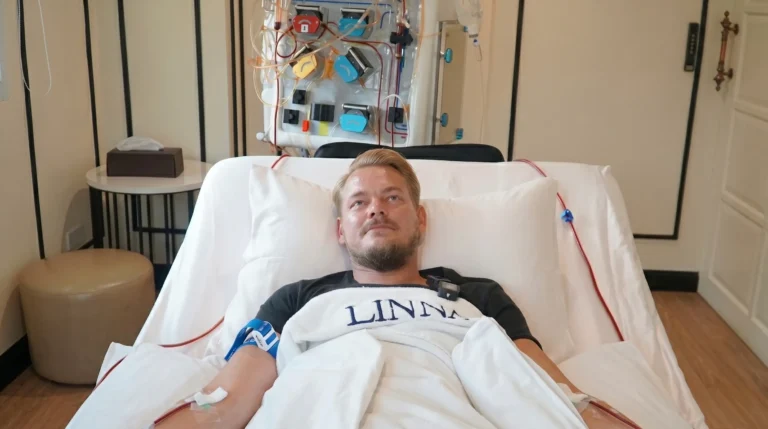
To effectively recover from Long COVID, boost vitality, and reduce the risk of complications, without relying on medication, LINNA Wellness recommends the Ozone Therapy (EBOO PLUS Technique). This innovative treatment involves infusing pure ozone into the bloodstream to stimulate blood cell function, reduce post-COVID-19 inflammation, boost the immune system, and restore overall bodily balance. The treatment is performed using internationally standardized equipment with a personalized ozone control system. It is conducted under the close supervision of experienced physicians with over 12 years of expertise in Ozone Therapy (EBOO PLUS Technique) and a track record of treating over 20,000 patients.
If you’re interested in recovering from Long COVID with a safe and effective treatment, contact LINNA Clinic for a consultation and personalized recovery plan. You can reach them via Line @linnaclinic or Whatsapp +66919799554 or by calling 063-609-8888.