
In an era where our health is constantly challenged by external threats — from PM 2.5 pollution, chemical residues in food, and long-term medication use to chronic work-related stress and the ongoing emergence of viral mutations — the human body is under increasing pressure. These risk factors weaken the immune system and accelerate premature aging, pushing more and more people to explore advanced wellness solutions. Among the most talked-about therapies today are those designed to boost the body’s oxygen levels. Two standout methods are HBOT (Hyperbaric Oxygen Therapy) and EBOO Therapy (Extracorporeal Blood Oxygenation and Ozonation). While both are oxygen-based treatments aimed at restoring the body’s balance and enhancing healing, they differ significantly in how they work — and who they’re best suited for. HBOT vs EBOO Therapy: What’s the Difference? This article from LINNA Clinic provides complete information about each type of therapy.
Table of Contents
What is HBOT and How Does It Work?

HBOT (Hyperbaric Oxygen Therapy) is a treatment that delivers high-pressure oxygen to the body. The process involves lying inside a transparent high-pressure chamber (Hyperbaric Chamber) to breathe in 100% pure oxygen under a pressure that is 2 to 3 times higher than normal atmospheric levels. This allows oxygen to dissolve into the bloodstream more effectively than through regular breathing. As a result, the body receives oxygen at a cellular level, which helps repair damaged tissues, accelerate wound healing, reduce inflammation, and boost immune system function.
Who Is HBOT Suitable For?
- Individuals with chronic or slow-healing wounds, such as diabetic ulcers, pressure sores, burns, or scald injuries
- Patients with oxygen-deprived brain conditions, or those in the recovery phase after a stroke
- Individuals suffering from air embolism (air bubbles in the bloodstream)
- Those diagnosed with decompression sickness (often seen in divers)
- Individuals affected by carbon monoxide poisoning
- Patients experiencing inflammation, swelling, infection post-surgery, or radiation-related injuries

Pros and Cons of HBOT
Pros
- Rapidly increases oxygen levels in the blood by delivering concentrated oxygen through the respiratory system. This enhances blood circulation and promotes recovery of oxygen-deprived tissues.
- Stimulates new blood vessel formation and effectively supports the regeneration of damaged tissues.
- Enhances white blood cell function, helping reduce inflammation, swelling, pain, and lowering the risk of infection throughout the body.
Cons
- Requires staying inside a high-pressure chamber for 60–90 minutes, which may cause discomfort or a feeling of confinement during the session.
- May cause ear barotrauma — such as ear fullness, pressure, or pain — due to rapid changes in air pressure, especially in individuals with middle ear or sinus issues.
- Possible temporary side effects include nausea, dizziness, or minor vision changes.
- Not suitable for individuals with certain health conditions, such as uncontrolled high blood pressure, collapsed lung, specific lung diseases, or those who depend on ventilators. A thorough medical evaluation is necessary before treatment.
What is EBOO Therapy and How Does It Work?

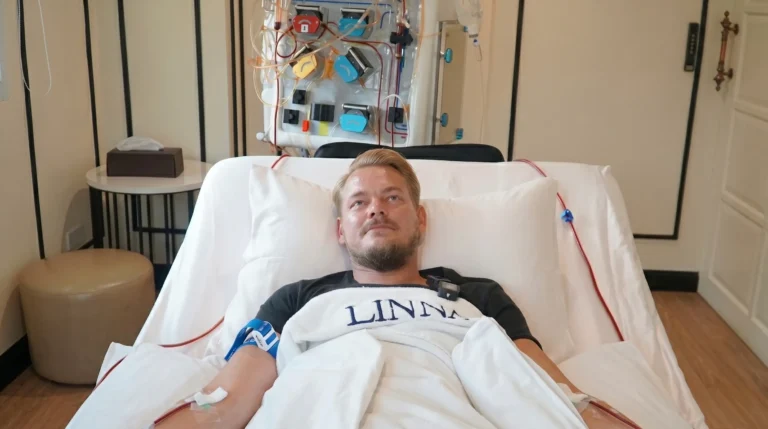
EBOO Therapy (Extracorporeal Blood Oxygenation and Ozonation) is a process of blood filtration and detoxification. During treatment, blood is drawn from the body and passed through a sterile medical-grade filter to remove toxins and waste. The cleansed blood is then infused with low-concentration oxygen and ozone, and slowly returned to the body through a vein on the opposite arm. Increase oxygen levels at the cellular level
Support internal detoxification
Relieve fatigue and restore energy
Strengthen the immune system for better overall health
Who Is EBOO Therapy Suitable For?
- Individuals with chronic fatigue or mental exhaustion
- Those recovering from illness or medical treatment
- People with chronic conditions such as diabetes, hypertension, or cardiovascular disease
- Individuals with immune system disorders such as SLE, rheumatoid arthritis, or allergies
- Those with toxin accumulation in the body or past exposure to chemicals or heavy metals
- Individuals seeking recovery after COVID-19 infection or vaccination
- Anyone looking to detox the body, eliminate waste, and restore immune function to optimal performance


Pros and Cons of HBOT
Pros
- Boosts cellular energy by directly infusing oxygen and ozone into the blood, helping the body feel refreshed, reducing chronic fatigue, and restoring balance.
- Eliminates toxins, heavy metals, waste products, and free radicals, supporting optimal function of various body systems.
- Each session takes around 60–90 minutes, and clients can resume normal activities immediately afterward.
Cons
- Must be performed by a highly experienced physician, as the procedure requires precision in vein access, blood pressure control, ozone concentration, and gas flow rate to ensure safety, comfort, and effective results.
- Mild side effects such as fatigue or headache may occur in some individuals.
- Not suitable for people who are allergic to ozone, pregnant or breastfeeding, or have blood clotting disorders. A full medical history must be shared with the doctor prior to treatment.
HBOT vs EBOO Therapy: What’s the Difference and Which One Should You Choose?
While both HBOT and EBOO Therapy are treatments designed to restore health by increasing the amount of pure oxygen in the body, their mechanisms and therapeutic purposes are distinctly different, as outlined below:
- HBOT (Hyperbaric Oxygen Therapy) is a treatment that uses high-pressure oxygen to deliver a large volume of oxygen into the body. It is especially suitable for individuals with acute oxygen deficiency conditions, such as decompression sickness, air embolism, or carbon monoxide poisoning. It is also beneficial for patients with injuries or chronic wounds, including long-standing diabetic ulcers, burns, pressure sores, or tissues damaged by radiation therapy.
- EBOO Therapy involves blood filtration to remove toxins, microorganisms, chemical residues, and heavy metals from the body. The filtered blood is then enriched with pure oxygen and low-concentration ozone before being reintroduced into the bloodstream. This process helps cleanse blood vessels, enhances cellular rejuvenation, and boosts immune strength. EBOO is particularly beneficial for those with circulatory issues such as abnormal blood pressure, cardiovascular disease, or diabetes. It’s also ideal for individuals with chronic fatigue, weakened immunity, susceptibility to infections, cancer, Lyme disease, or those recovering from illness. Moreover, it’s suitable for healthy individuals who wish to maintain wellness through proactive, preventive care.
Conclusion:
EBOO Therapy is a treatment technique that offers benefits for both patients needing physical restoration and healthy individuals seeking preventive care. However, anyone interested in EBOO Therapy should first consult with a doctor and undergo a thorough health assessment to identify any risks and design a personalized treatment plan that suits their specific condition.
For more information about Ozone Therapy (EBOO PLUS Technique), please feel free to add us on LINE: @linnaclinic or call us at 063-609-8888. Our experienced medical team, with over 12 years of expertise and more than 30,000 real treatment cases, is ready to take care of you every step of the way.