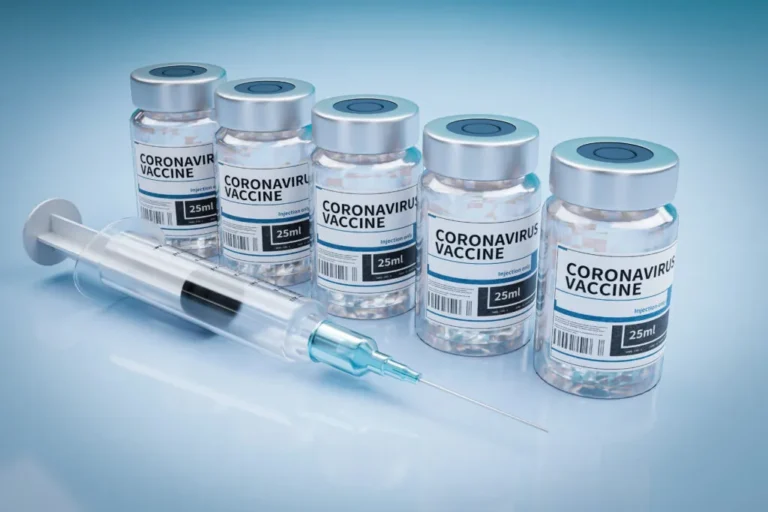
Since the outbreak of COVID-19, vaccines have become one of the most important medical innovations, helping to protect lives worldwide, reduce disease severity, and support the recovery of healthcare systems (World Health Organization, 2023; European Medicines Agency, 2022). At the same time, vaccination does not mean “zero risk.” Like all medical interventions, vaccines may cause side effects or adverse reactions in some individuals (Centers for Disease Control and Prevention, 2022).
Although COVID-19 vaccines play a significant role in reducing the severity of infection and preventing serious complications, they also come with certain limitations and possible side effects that should be understood. Common reactions may include fever, body aches, or fatigue, while in some cases, individuals may experience allergic or inflammatory responses that require closer monitoring (Patone et al., 2022).
Understanding both the benefits and limitations of vaccination is essential, as it allows individuals to make informed decisions and take appropriate care of their health before and after vaccination. This article provides an overview of COVID-19 vaccines, including how they work, different types of vaccines, potential side effects, the immune response they generate, as well as guidance on post-vaccination care and recovery. The goal is to help you understand that while vaccines are a key tool in disease prevention, maintaining overall health and proper self-care remains essential for optimal immune function.
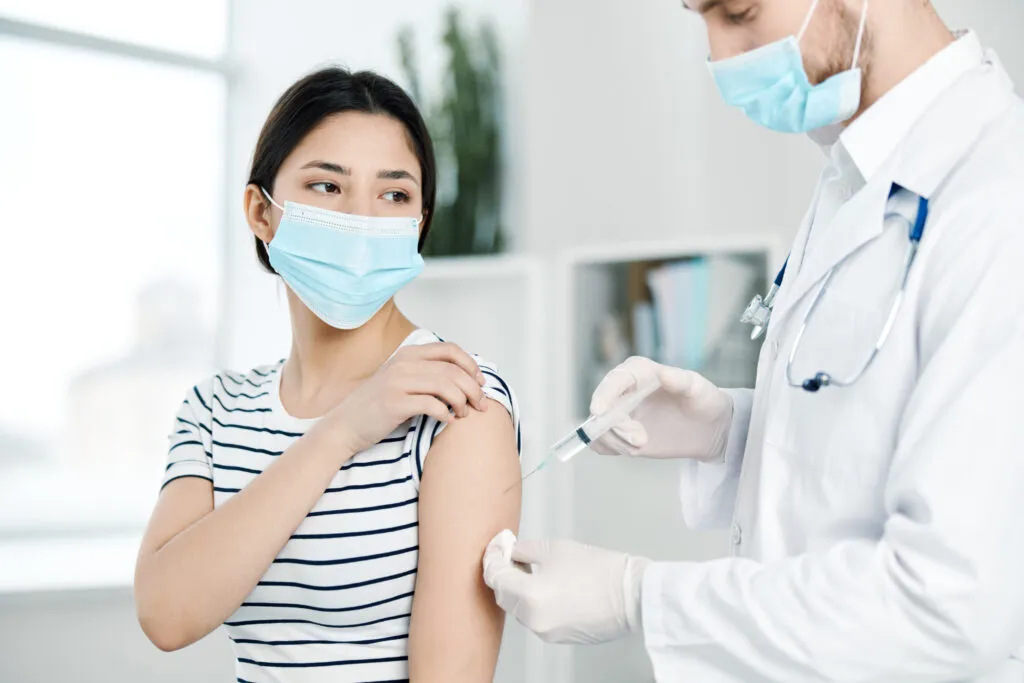
Table of Contents
What Is the COVID-19 Vaccine and How Does It Work?
The COVID-19 vaccine works by stimulating the body to build immunity against the SARS-CoV-2 virus, which causes COVID-19, without the need for actual infection (World Health Organization, 2023).
The principle of vaccination is to simulate an infection in a safe way, allowing the immune system to learn and recognize the virus in advance. Once vaccinated, the immune system is activated and begins to produce:
- Antibodies: Proteins that bind to and block the virus from entering cells
- T-cells: Immune cells that identify and destroy infected cells, while also forming long-term immune memory
When the body encounters the real virus in the future, this trained immune response can act more quickly, helping reduce the risk of severe illness and complications.
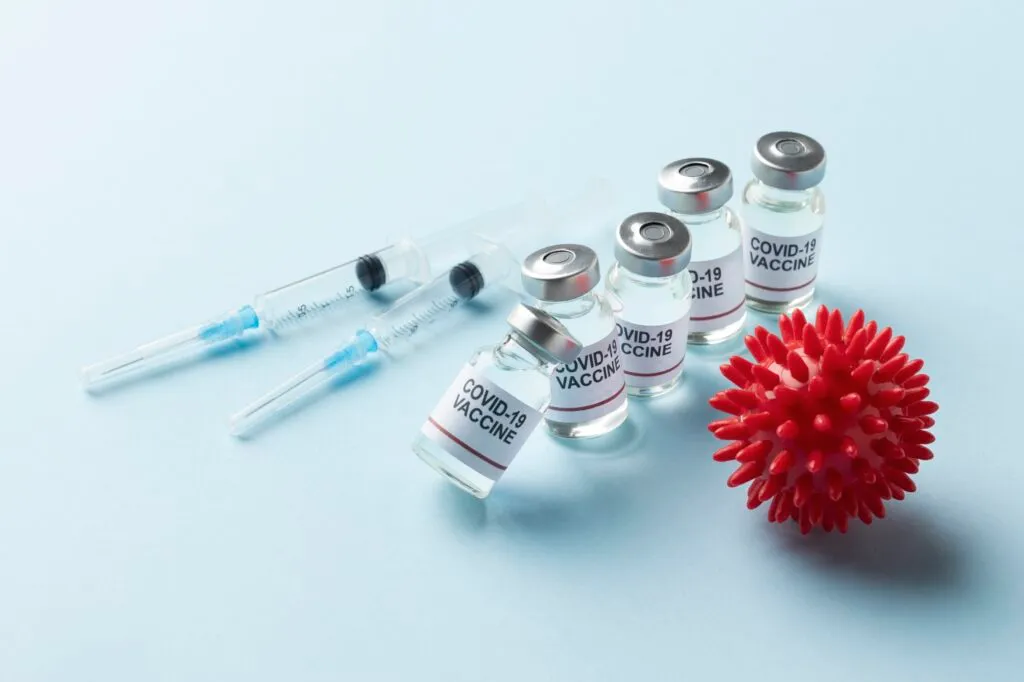
Benefits and Limitations of COVID-19 Vaccines
Benefits
- Helps reduce the severity of symptoms after infection
- Lowers the risk of hospitalization and death
- Contributes to building herd immunity within the community
Limitations
- Vaccine effectiveness may vary depending on circulating virus variants
- Immunity may decrease over time, requiring booster doses (Khoury et al., 2021)
- Some individuals may experience side effects such as fever, body aches, or fatigue
- In rare cases, allergic reactions may occur
Types of COVID-19 Vaccines
COVID-19 vaccines are available in several types, each using different mechanisms:
- mRNA Vaccines – such as Pfizer and Moderna
Use genetic material to instruct the body’s cells to produce the spike protein, triggering a rapid immune response - Viral Vector Vaccines – such as AstraZeneca and Johnson & Johnson
Use a harmless virus as a carrier to deliver genetic material from the COVID-19 virus into the body - Protein Subunit Vaccines – such as Novavax
Use the spike protein directly, offering a safe option, particularly for individuals with weakened immune systems - Inactivated Vaccines – such as Sinovac and Sinopharm
Use inactivated (killed) virus particles; generally safe but may require multiple doses to maintain immunity
Post-Vaccination Symptoms
Post-vaccination symptoms can be categorized into three levels:
Common Symptoms (frequent and usually resolve within 1–3 days)
- Pain, swelling, or redness at the injection site
- Fever, chills, and muscle aches
- Fatigue or headache
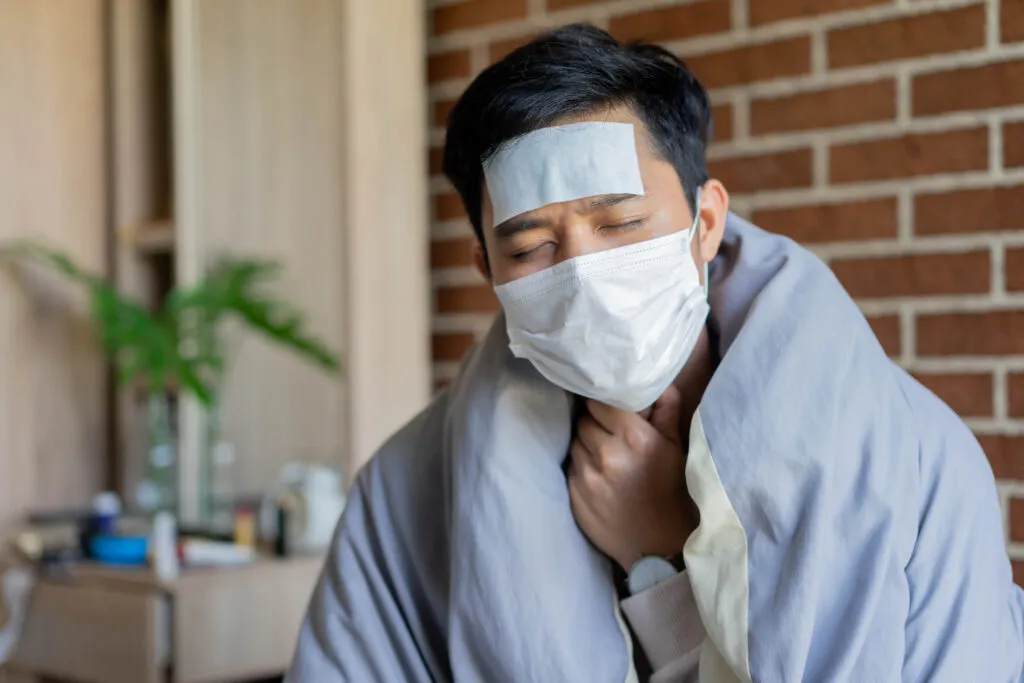
Severe Reactions (rare)
- Anaphylaxis (severe allergic reaction)
- Myocarditis or pericarditis (reported in some individuals receiving mRNA vaccines) (Patone et al., 2022)
- Blood clotting disorders (reported with certain vaccine types)
Long-term / Persistent symptoms
Although most symptoms resolve on their own, some reports suggest that certain individuals may experience symptoms that persist for weeks or months after vaccination, known as post-vaccine persistent symptoms, such as:
- Chronic fatigue
- Neurological symptoms, such as persistent migraines, dizziness, or reduced concentration
- Cardiovascular symptoms, such as palpitations or intermittent chest pain
- Skin-related symptoms, such as rashes, hives, or recurring allergic reactions
- Symptoms similar to Long COVID, including brain fog, sleep disturbances, and weakened immunity (Taquet et al., 2021)
While these symptoms are uncommon, it is important to monitor your condition. If symptoms persist or affect daily life, it is recommended to consult a doctor for further evaluation.
Post-Vaccine Syndrome
Some individuals may experience ongoing symptoms after vaccination, such as fatigue, rapid heartbeat, chronic muscle pain, or inflammation in the body. These symptoms may be related to an overactive immune response (Wang et al., 2022).
In such cases, further evaluation may be recommended, including immune system testing or measuring Spike Protein Antibody levels, to assess immune status and inflammation. This information can help guide a more personalized recovery plan (Khoury et al., 2021).
How Long Does Immunity Last / When Should You Get a Booster?
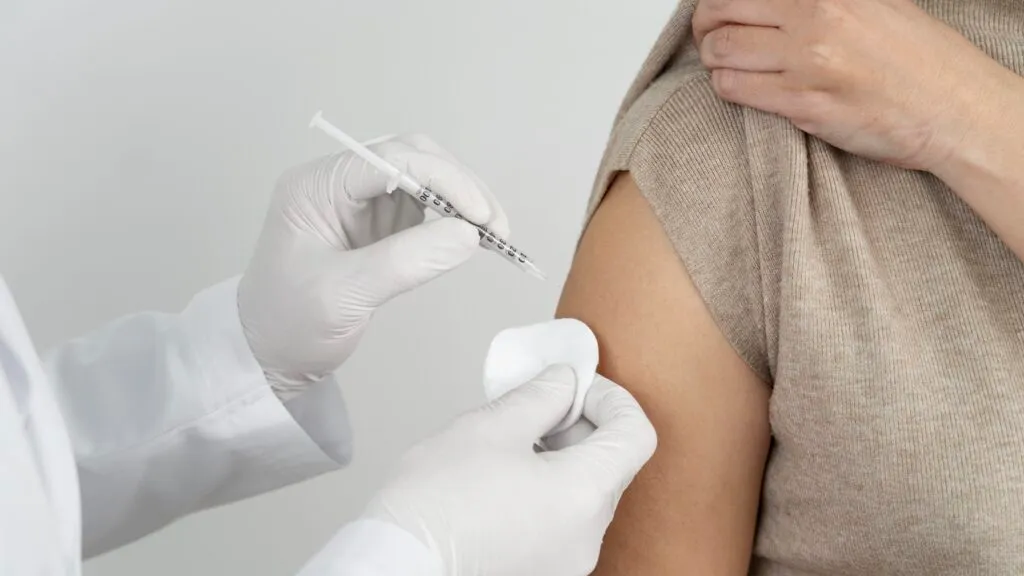
After completing the recommended COVID-19 vaccination doses, the immune response typically reaches its peak within 2–4 weeks. After that, immunity gradually decreases over time, usually within 4–6 months.
However, in some cases, antibody levels may remain elevated for over a year. In certain individuals, this may be associated with ongoing symptoms or side effects related to higher-than-normal Spike Protein Antibody levels (Khoury et al., 2021).
Spike Protein After Vaccination
Some types of vaccines (such as mRNA and viral vector vaccines) stimulate the body to temporarily produce spike protein to trigger an immune response (World Health Organization, 2023).
In most cases, this spike protein is naturally broken down within a few days. However, in some individuals, an excessive immune response may occur, potentially leading to ongoing inflammation or fatigue (Patone et al., 2022).
Immune Testing / Spike Protein Antibody Testing
Post-vaccination immune testing can help determine:
- Whether the body has developed sufficient immunity
- Whether immunity levels have declined
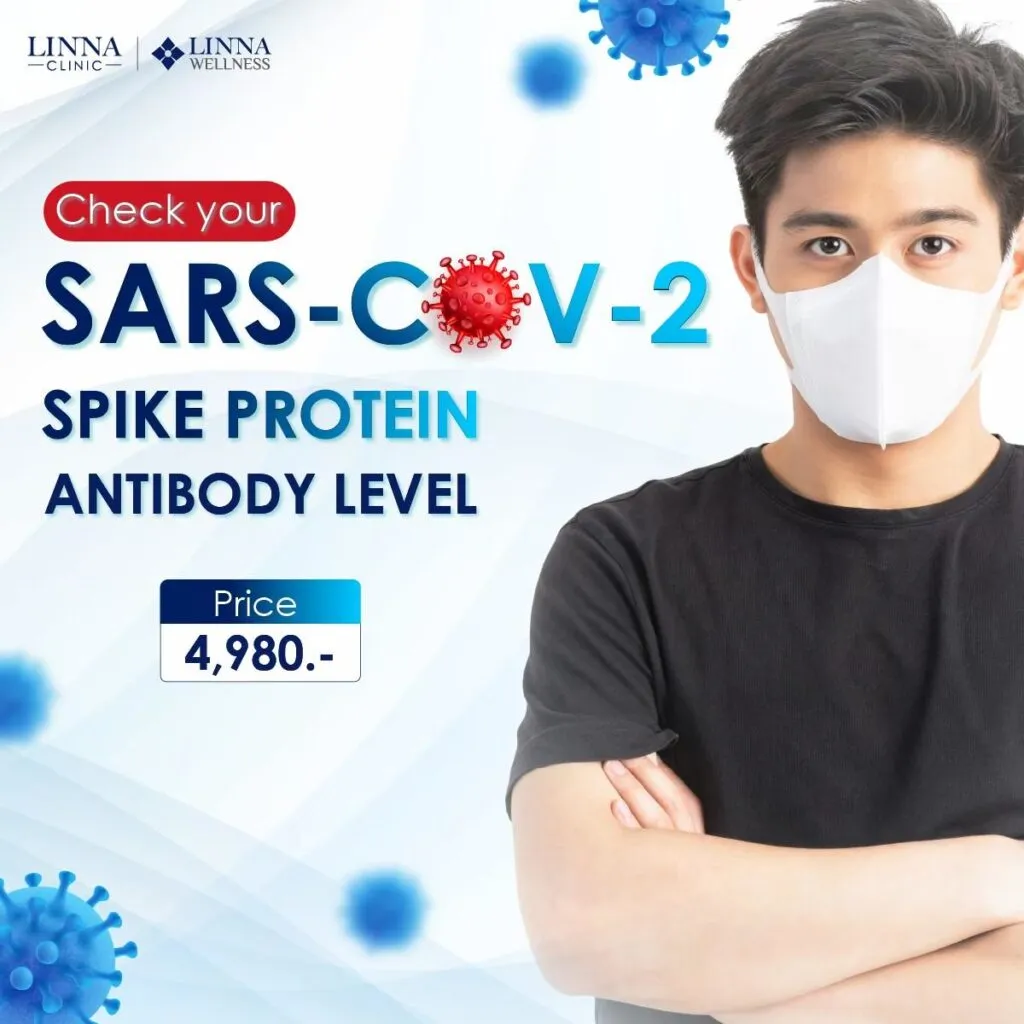
Measuring Spike Protein Antibody levels allows assessment of the specific immune response generated after vaccination or natural infection.
At LINNA Clinic, immune testing services are available to help evaluate post-vaccination immunity and support personalized health and recovery planning.
Safe Ways to Support Recovery After Vaccination
After vaccination, the body enters a phase of immune adjustment, during which it builds antibodies and new immune cells. During this time, some people may experience fatigue, body aches, or mild inflammation. Proper self-care can help support immune function and reduce the risk of prolonged side effects.
1. General Self-Care Guidelines
- Drink 2–3 liters of water per day
- Eat a balanced diet rich in colorful fruits and vegetables, and avoid processed foods
- Get adequate rest and avoid intense exercise for the first 2–3 days
- Avoid alcohol and limit caffeine temporarily to reduce the workload on the liver
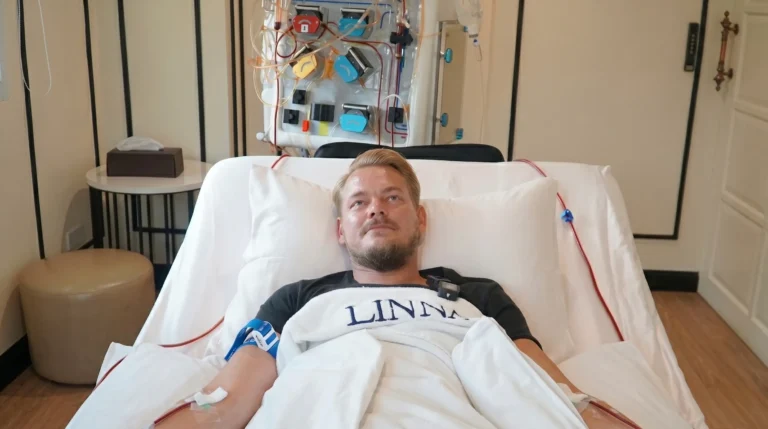
2. Supporting Immune Balance with EBOO Plus Therapy

EBOO Plus (Extracorporeal Blood Oxygenation and Ozonation)
is a therapy that uses medical-grade ozone to support detoxification and help reduce inflammation at the cellular level.
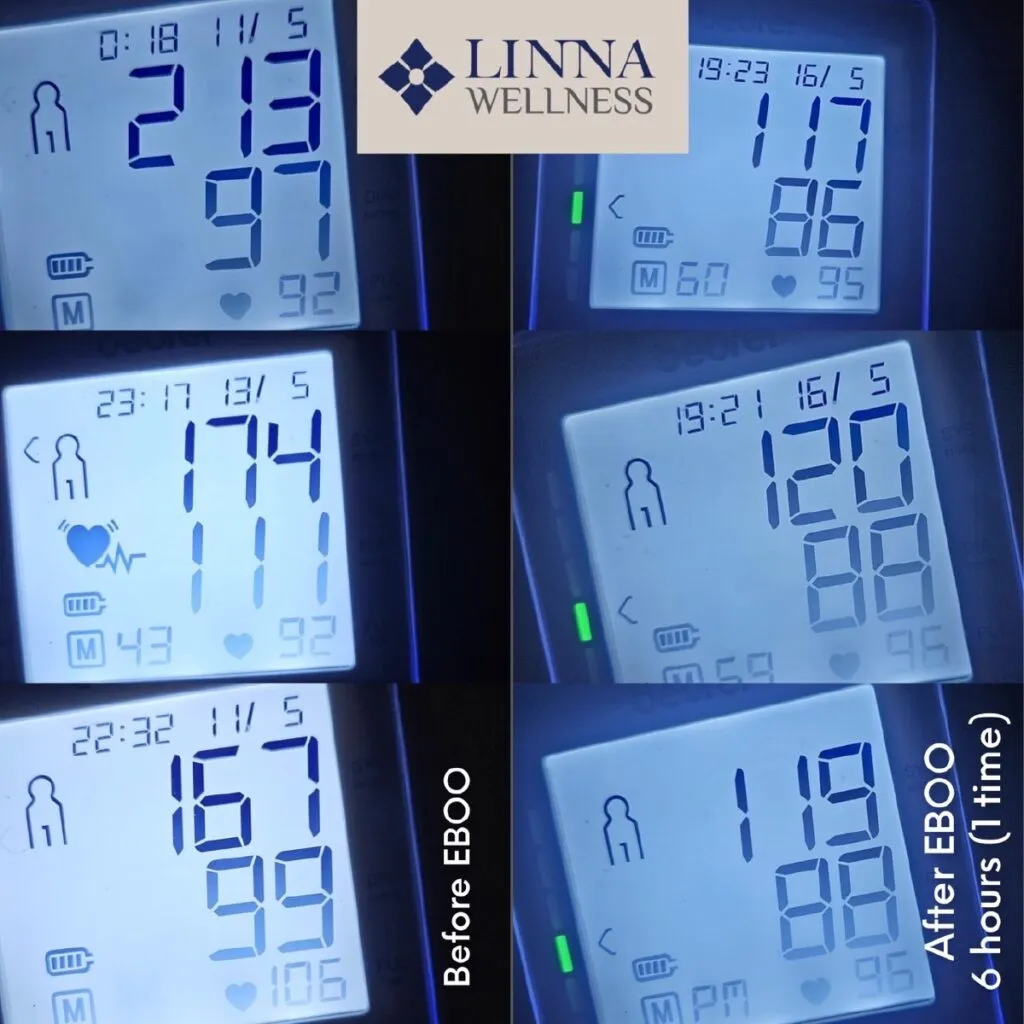
In some individuals, the body may experience mild inflammation or an overactive immune response after vaccination. EBOO Plus may help support the body’s natural balance, improve energy levels, reduce fatigue, and promote more stable immune function.

3. Cellular Support with LINNA Crystal Bond
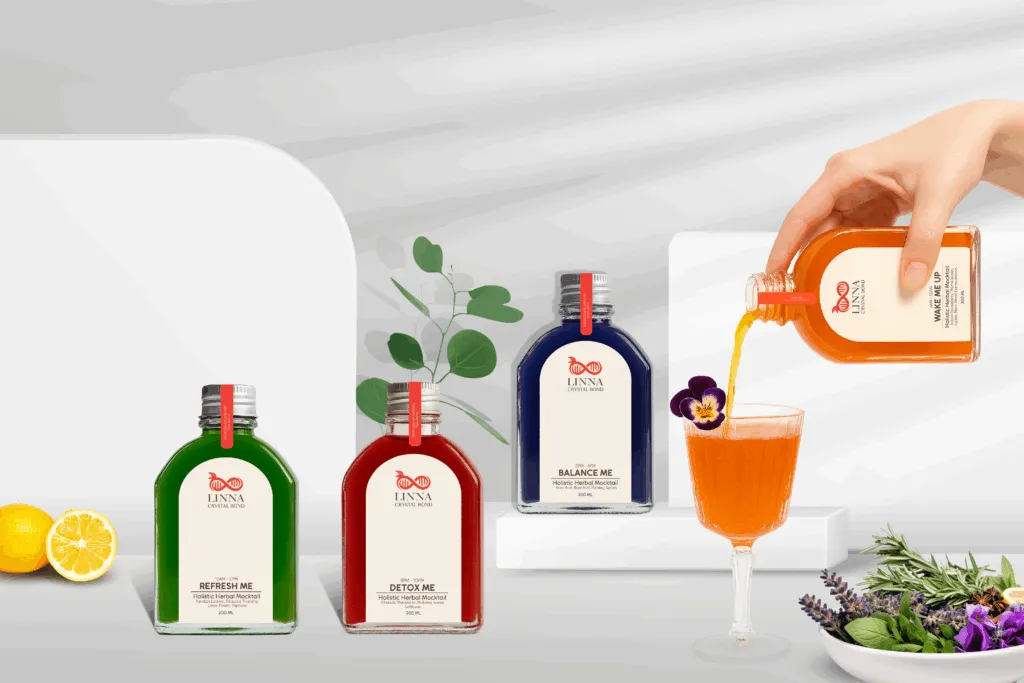
LINNA Crystal Bond is a herbal formulation developed by LINNA Wellness, combining concepts from plant-based medicine, chronobiology, and energy medicine.
It may help reduce cellular inflammation, combat oxidative stress, and gently support immune function, making it suitable during recovery periods or times of low energy.
4. Nutritional Support with LINNA VitaFlow
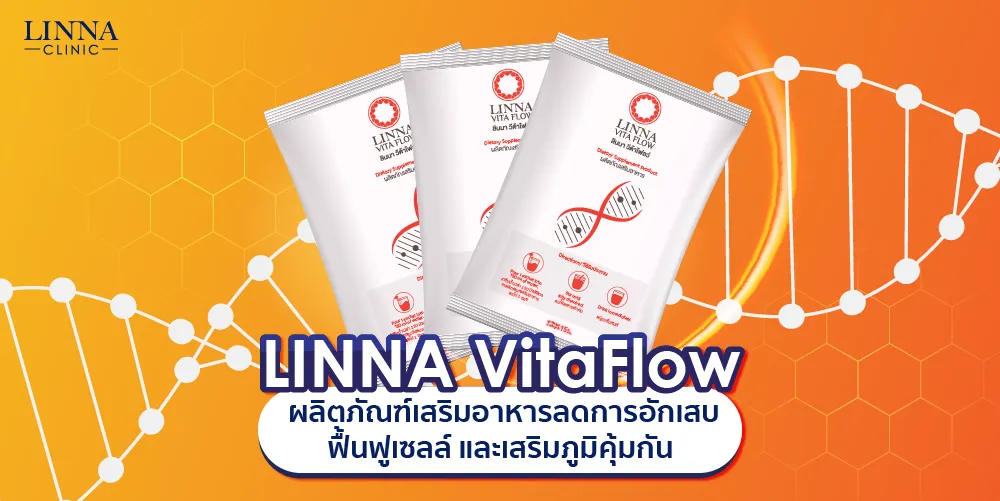
After vaccination, the body may require more nutrients and antioxidants to support immune function and cellular recovery. LINNA VitaFlow is a supplement formulated with 27 natural ingredients, including Vitamin C, Glutathione, CoQ10, and Astaxanthin. It helps support immunity, reduce inflammation, enhance cellular energy, and promote overall skin health.
Summary
COVID-19 vaccines have played an important role in helping reduce the severity of the disease and supporting public health. However, like all medical interventions, they may have limitations and potential side effects. Understanding these aspects allows for safer and more informed health management.
Monitoring immune levels (such as Spike Protein Antibody levels) and supporting recovery through approaches like EBOO Plus Ozone Therapy, LINNA Crystal Bond, and LINNA VitaFlow, under medical supervision, may help the body return to balance, reduce inflammation, and support long-term immune health.
At LINNA Clinic, we believe that “good health begins with understanding your own body.”
Whether you are looking to check your immunity, restore energy, or plan post-vaccination recovery—including support for long COVID symptoms—our medical team is here to guide you every step of the way.
For more information, please contact:
Call: 063-609-8888 | WhatsApp: +66 919799554 | LINE: @linnaclinic
References
- World Health Organization (WHO). (2023). Coronavirus disease (COVID-19): Vaccines. Geneva: World Health Organization.
- European Medicines Agency (EMA). (2022). COVID-19 vaccines: authorised. Amsterdam: European Medicines Agency.
- Centers for Disease Control and Prevention (CDC). (2022). Possible Side Effects After Getting a COVID-19 Vaccine. Atlanta: Centers for Disease Control and Prevention.
- Patone, M., Mei, X.W., Handunnetthi, L., Dixon, S., Zaccardi, F., et al. (2022). Risks of myocarditis, pericarditis, and cardiac arrhythmias associated with COVID-19 vaccination or SARS-CoV-2 infection. Nature Medicine, 28(3), 410–422.
- Taquet, M., Geddes, J.R., Husain, M., Luciano, S., Harrison, P.J. (2021). 6-month neurological and psychiatric outcomes in 236,379 survivors of COVID-19: a retrospective cohort study. The Lancet Psychiatry, 8(5), 416–427.
- Khoury, D.S., Cromer, D., Reynaldi, A., Schlub, T.E., Wheatley, A.K., et al. (2021). Neutralizing antibody levels are highly predictive of immune protection from symptomatic SARS-CoV-2 infection. Nature Medicine, 27(7), 1205–1211.
- Rhea, E.M., Logsdon, A.F., Hansen, K.M., Williams, L.M., Reed, M.J., et al. (2023). The S1 protein of SARS-CoV-2 crosses the blood-brain barrier and triggers neuroinflammation. Cell Reports Medicine, 4(2), 100975.
- Wang, J., Li, Q., Yin, Y., Zhang, Y., Cao, Y., et al. (2022). Dysregulated autoantibody response to SARS-CoV-2 Spike protein associates with autoimmune-like symptoms. Journal of Clinical Immunology, 42(5), 897–910.
- Singh, K.K., Chaubey, G., Chen, J.Y., Suravajhala, P. (2023). SARS-CoV-2 Spike protein alters mitochondrial dynamics and impairs cellular energy metabolism. Biochemical and Biophysical Research Communications, 640, 65–72.