 Comparison of Double Filtration Plasmapheresis and EBOO Therapy health-recovery programs
What Is Plasmapheresis?
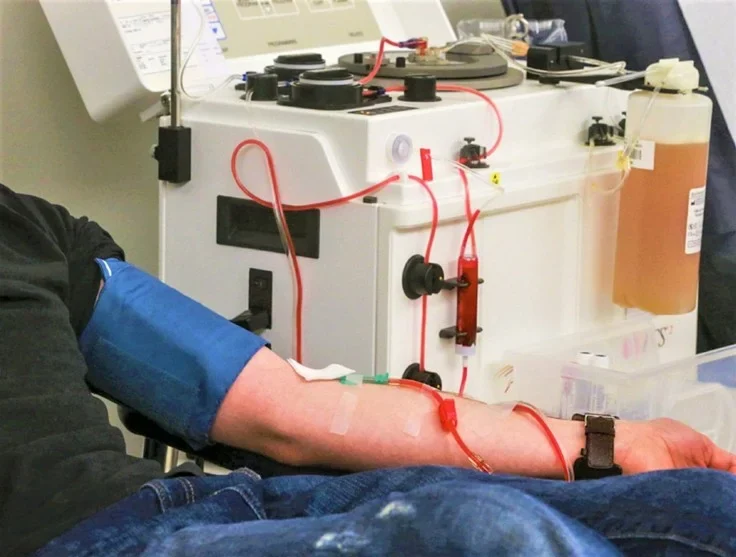
Plasmapheresis is a blood-cleaning process that uses a specialized filtration device to separate Plasma from blood cells.
It is intended to remove or reduce unwanted substances such as low-density lipoprotein (LDL), triglycerides, abnormal immune-stimulating substances, and proteins associated with inflammation.
The filtered plasma and blood cells are then returned to the body. Whether the plasma is returned depends on the form of Plasmapheresis used.
This therapy is considered an additional health-management approach beyond medication and is commonly used for people with blood disorders, vascular disease, and immune-system conditions.
Medically, Plasmapheresis can be divided into two primary forms:
 Comparison of Double Filtration Plasmapheresis and EBOO Therapy health-recovery programs
1. Conventional Plasmapheresis, or Therapeutic Plasma Exchange (TPE), removes plasma from the blood and replaces it with a replacement fluid such as albumin or donor plasma.
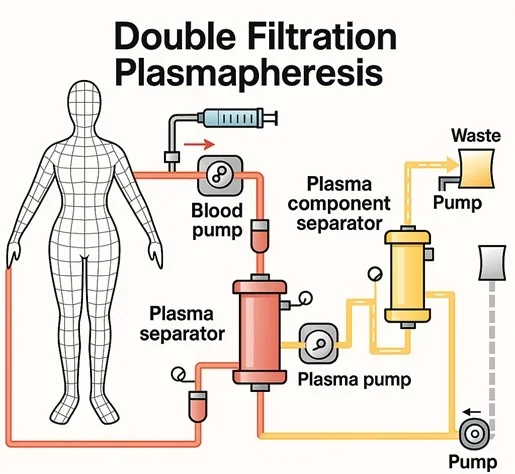
2. Double Filtration Plasmapheresis (DFPP) is an advanced form of Plasmapheresis that uses two filtration stages. Plasma is first separated from the blood and filtered again to remove blood lipids, toxins, and unnecessary proteins. The remaining plasma, which contains smaller molecules, is returned to the body without replacement fluid. This method may reduce the loss of plasma and important proteins compared with the first method.
What Is Double Filtration Plasmapheresis, and What Types Are Available?
 Comparison of Double Filtration Plasmapheresis and EBOO Therapy health-recovery programs
Double Filtration Plasmapheresis, or DFPP, is a form of Plasmapheresis that uses a Double Filter System to increase the precision of separating and removing harmful substances from plasma.
These substances may include LDL, triglycerides, allergens, and proteins associated with chronic inflammation.
The plasma containing smaller molecules is then returned to the body without using replacement fluid as in conventional plasma exchange.
DFPP can be divided into two forms according to the Blood Flow and Plasma Flow Rate used during therapy:
1. Low-Flow DFPP
Plasma is filtered through a vein without puncturing an artery. It can therefore be performed at a properly equipped medical facility or clinic.
It is suitable for people seeking gradual reductions in blood lipids and inflammation.
However, most recipients with previous treatment experience have reported that EBOO Therapy provided a better treatment experience and post-treatment results than Low-Flow DFPP.
2. High-Flow DFPP
This plasma-filtration process uses a high blood-flow rate and requires access to a large blood vessel in the neck to increase pressure and filtration efficiency.
It is suitable for people with extremely high blood lipid levels, severe inflammation, or a need for urgent results.
This treatment must only be performed in a hospital or medical center equipped with appropriate instruments and a specialized medical team providing close supervision.
Who Is Double Filtration Plasmapheresis Suitable For?
- People with high LDL and triglyceride levels or resistance to lipid-lowering medication.
- People with abnormally thick or viscous blood.
- People with kidney disease or a history of organ transplantation.
- People with coronary-artery disease.
- People with diabetes.
- People with autoimmune conditions such as SLE or rheumatoid arthritis.
Double Filtration Plasmapheresis is only a supportive health-recovery approach and cannot replace primary medical treatment.
It may be unsuitable for people who bleed easily or have blood-clotting disorders, cardiovascular disease, chronic kidney failure, or are receiving specialized treatment.
For safety, consult a physician before beginning therapy.
Advantages and Disadvantages of Double Filtration Plasmapheresis
Advantages
- Uses two filtration stages to selectively remove unwanted substances such as LDL, abnormal antibodies, and toxins while retaining more necessary proteins than conventional plasma exchange.
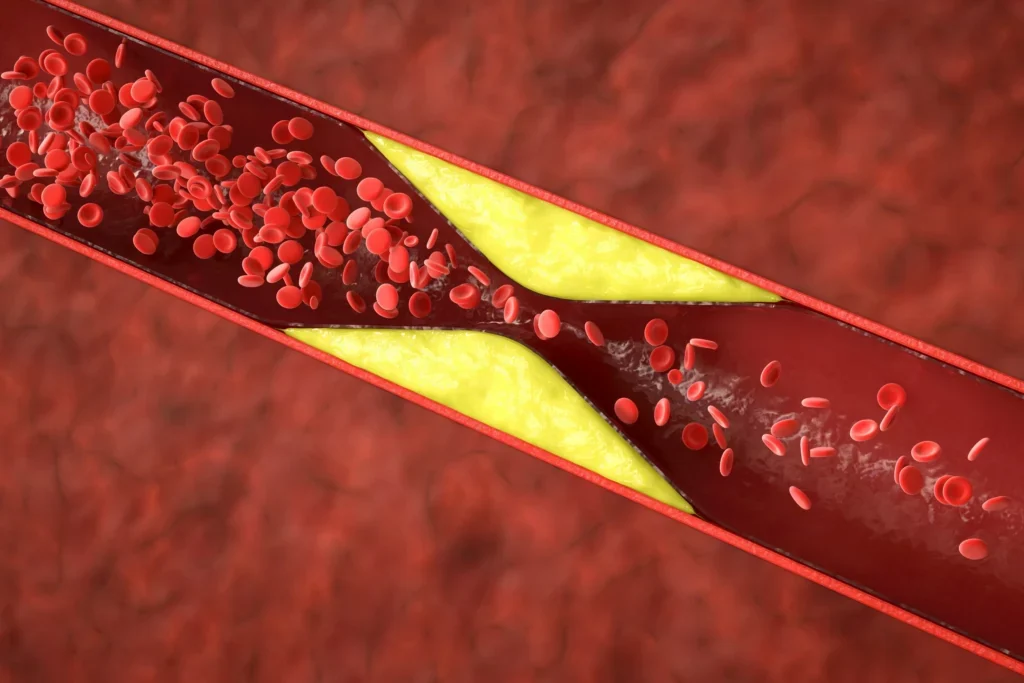
- Effectively reduces blood lipids, particularly Low-Density Lipoprotein (LDL) and triglycerides, supporting circulation and reducing the risk of cardiovascular disease, high blood pressure, and fatty liver.
- Helps reduce substances associated with chronic inflammation and makes the blood cleaner.
- Supports immunity, strengthens the body, and reduces susceptibility to infection.
- Does not require medication or external chemicals, reducing the risk of allergic reactions or side effects.
Disadvantages
- It is a complex process requiring specialized equipment and a highly experienced medical team. It should be performed at a properly equipped medical facility such as a hospital.
- Each treatment may take 1.5–2 hours and may not suit people with limited time.
- Multiple consecutive sessions may be needed before clear results become apparent, depending on the individual’s health.
- The cost is high compared with other health therapies.
- Some people may experience dizziness, lightheadedness, nausea, or low blood pressure during or after treatment.
What Is EBOO/EBO2 Therapy?
 Comparison of Double Filtration Plasmapheresis and EBOO Therapy health-recovery programs
EBOO/EBO2 Therapy, or Extracorporeal Blood Oxygenation and Ozonation, is a process that filters blood and removes toxins.
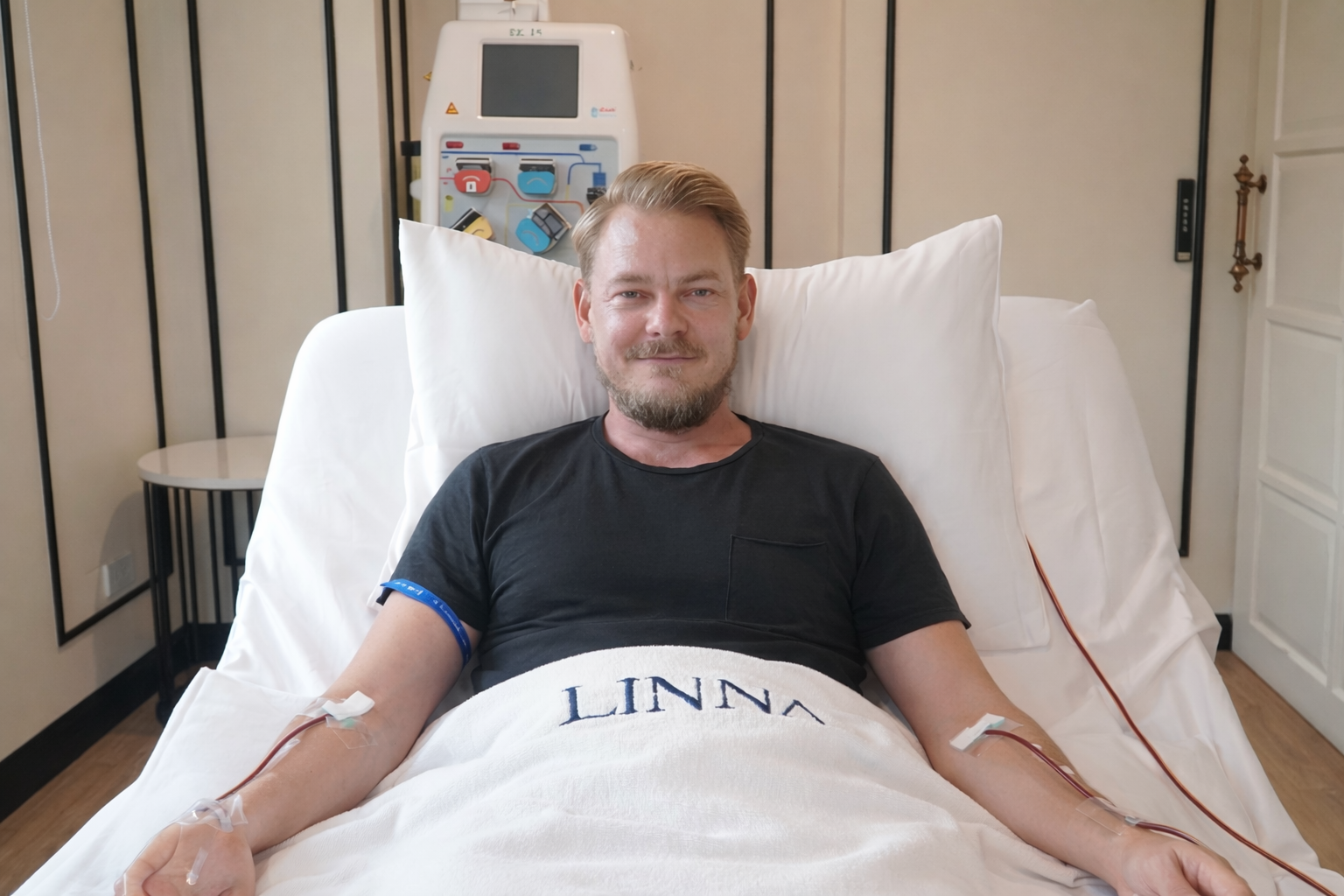
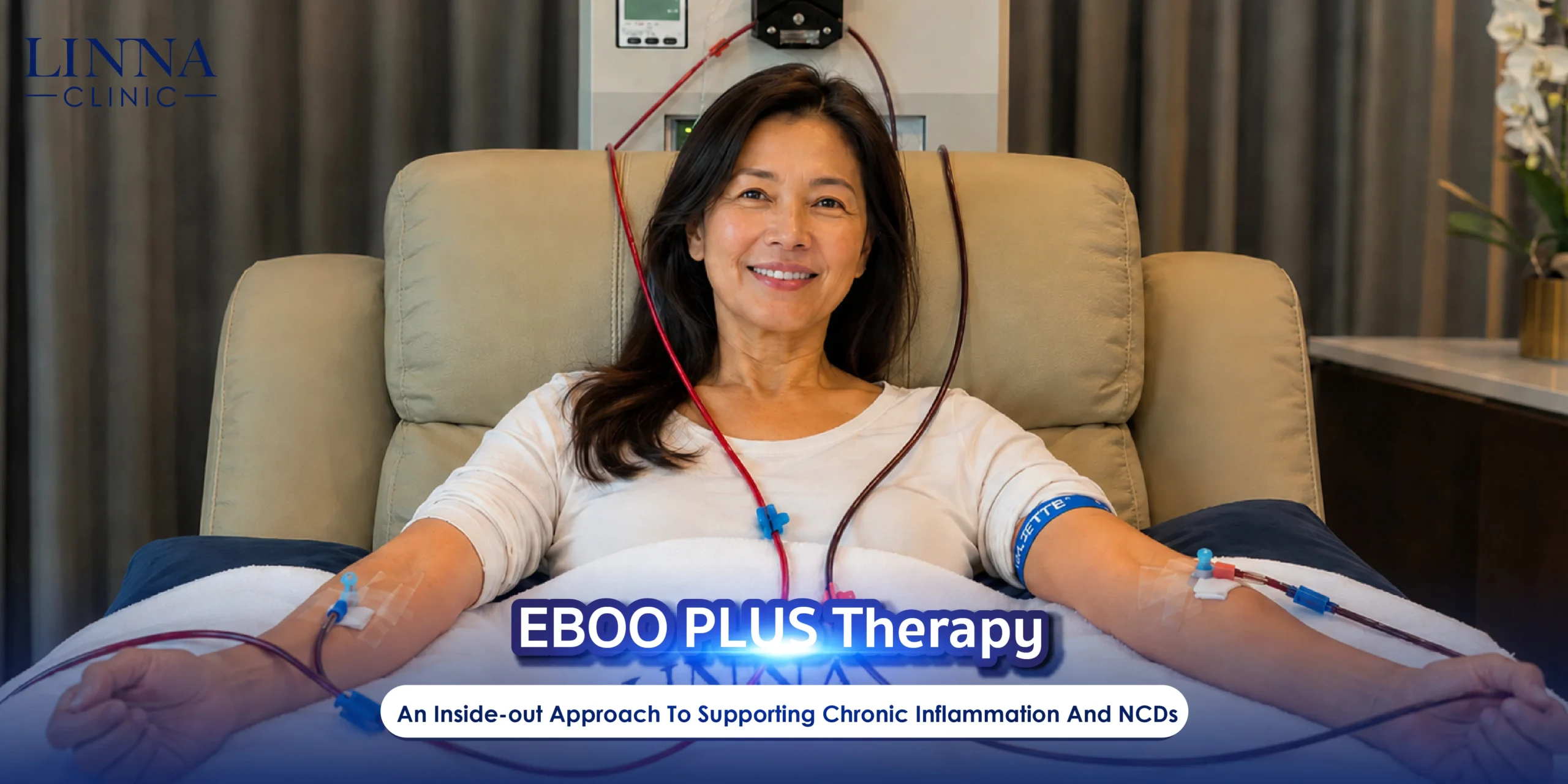
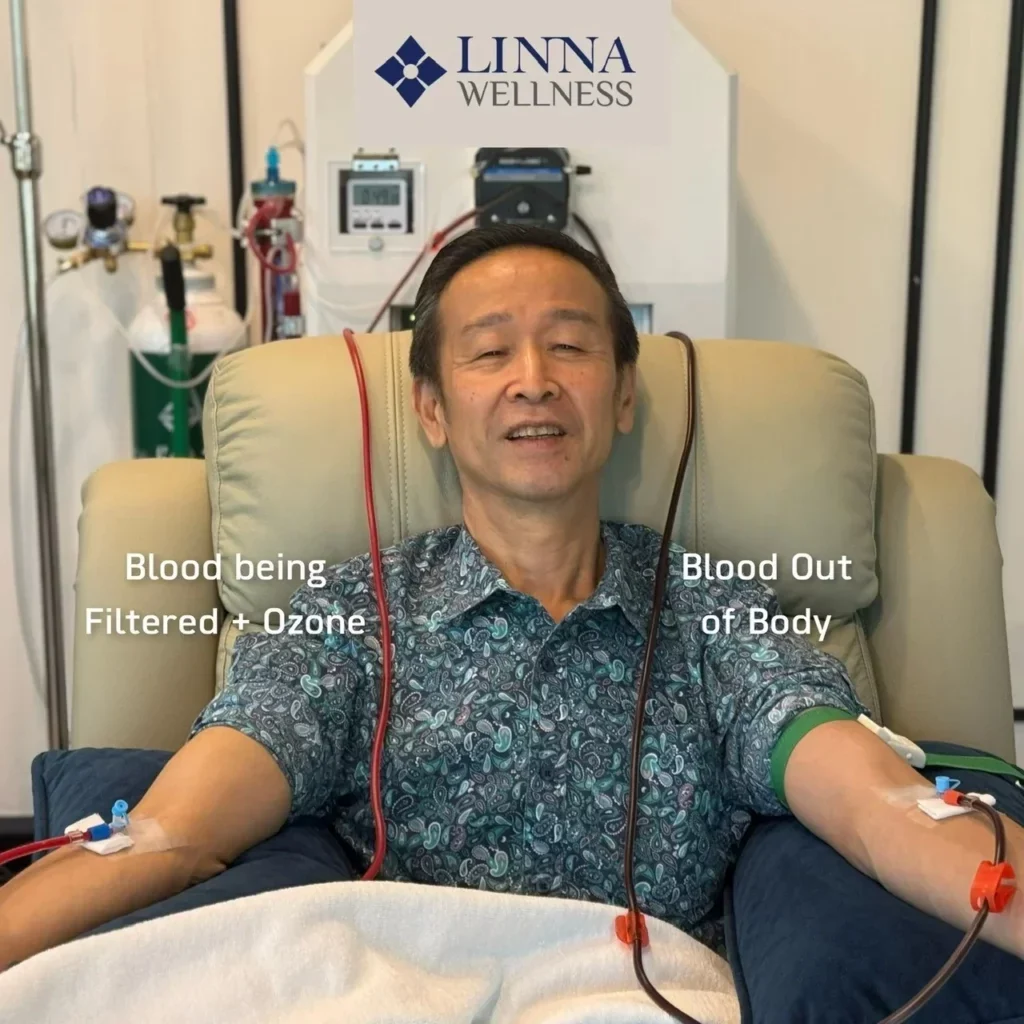
Blood is drawn from the body, passed through a filter, supplemented with oxygen and pure ozone, and slowly returned through a vein using a closed system.
The objective is to increase blood oxygen, stimulate immune-system function, and remove waste, microorganisms, and accumulated toxins.
How EBOO/EBO2 Therapy Works
- Blood is drawn through large veins in both arms—one side for removal and the other for return. The blood travels through tubing to a sterile filter that removes waste products.
- The blood passes through a device that adds ozone gas (O₃) and pure oxygen at a safe amount. Ozone introduced into the blood breaks down into oxygen and other ozone-related compounds.
- The processed blood is returned slowly and continuously. Every stage operates within a closed system, preventing external contamination.
After EBOO/EBO2 Therapy, recipients may experience reduced fatigue, faster physical recovery, and stronger immune-system function.
Who Is EBOO/EBO2 Therapy Suitable For?
- People with high blood pressure.
- People with unwanted symptoms after COVID-19 or vaccination.
- People with chronic fatigue, easy exhaustion, or low energy despite adequate rest.
- People with immune-system dysfunction such as SLE or rheumatoid arthritis.
- People with cardiovascular concerns or poor circulation.
- People who frequently develop viral or bacterial infections.
- People with joint pain, bone pain, or degenerative joint conditions.
- People recovering after illness.
- People seeking preventive healthcare and holistic body balance.
EBOO/EBO2 Therapy is only a supportive health-recovery approach and cannot replace primary medical treatment.
Consult a physician before every treatment, especially if you have an underlying condition or are receiving medical care, so the plan can be tailored appropriately.
Advantages and Disadvantages of EBOO/EBO2 Therapy
Advantages
- Supports deeper recovery by delivering oxygen and ozone directly into the bloodstream. This may increase cellular energy, promote freshness, reduce chronic fatigue, and balance internal systems.
- Helps stimulate balanced immune-system function and may suit people with immune deficiency, chronic inflammation, or those receiving treatment for chronic disease or cancer.
- Helps remove residual toxins, heavy metals, and free radicals while supporting improved circulation and bodily function.
- Each session takes approximately 45–60 minutes, and recipients can return to normal daily activities without recovery downtime.
Disadvantages
- It must be performed by highly experienced personnel using standardized equipment. The ozone quantity must be precisely controlled according to each recipient’s health.
- A single EBOO/EBO2 Therapy session cannot filter as much fat as a single DFPP session and may not meet the needs of people seeking intensive correction of a specific problem.
- It may be unsuitable for people with blood-clotting abnormalities. Treatment history must be disclosed to the physician in advance.
- It is prohibited for people with ozone allergy and is not recommended during pregnancy.
Double Filtration Plasmapheresis (DFPP) vs EBOO/EBO2 Therapy: Which Should You Choose?
Although both programs filter blood to support health recovery, the choice should depend on the individual’s health concern and expected results.
- Double Filtration Plasmapheresis (DFPP) may be suitable for people with hyperlipidemia, chronic inflammation, abnormal immune-system disorders such as Autoimmune Disease, or antibody levels above the standard range. DFPP directly removes specific substances from plasma, including LDL, triglycerides, inflammatory substances, and excess proteins.
- EBOO/EBO2 Therapy may be more suitable for people with high blood pressure, coronary-artery disease, diabetes, high blood lipids, autoimmune conditions such as SLE or rheumatoid arthritis, chronic fatigue, or an elevated risk of chronic inflammation. Its distinguishing features extend beyond filtering plaque, toxins, and waste from the bloodstream. It also adds pure oxygen and ozone directly to the circulatory system, helps clean the blood vessels, increases oxygen delivery to red blood cells, supports energy recovery, and stimulates immune function. Its waste-filtration rate per session may be lower than DFPP, but EBOO/EBO2 Therapy is more affordable and may provide a more relaxing treatment experience.
In some cases, a physician may consider combining DFPP and EBOO/EBO2 Therapy based on blood-test results, health status, and the recipient’s expected outcomes.
This should be provided through a Personalized Protocol to ensure that the treatment plan is comprehensive, targeted, and safe.
Summary
Double Filtration Plasmapheresis and EBOO Therapy are blood-cleaning approaches with different health-recovery objectives.
The appropriate method depends on each individual’s physical condition and needs. For effectiveness and safety, consult a physician for assessment and treatment recommendations.
For care from physicians with more than 13 years of experience and over 30,000 combined treatment cases, contact LINNA Clinic at 063-609-8888 or LINE: @linnaclinic.
This article has been prepared and reviewed by the LINNA Clinic medical team.
Interested in this program or need personalised advice?
The LINNA Clinic team is ready to help you choose the program that suits you best.