In an era when more people are paying attention to holistic health, care is no longer focused only on the external body. Increasing importance is also being placed on internal systems that influence freshness, immunity, and physical recovery.
One important system that should not be overlooked is the lymphatic system. It helps filter waste products and foreign substances, maintain fluid balance within the body, and support normal immune-system function.
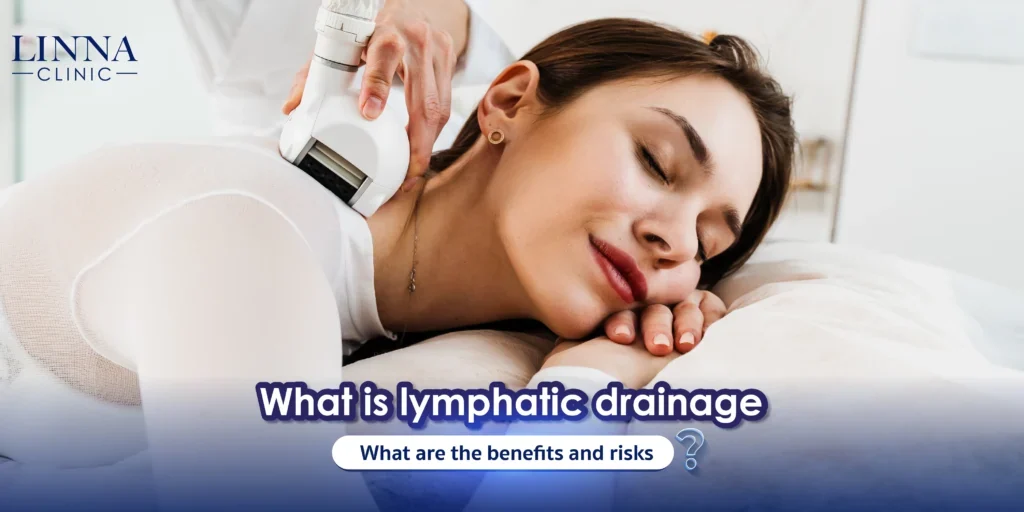
Lymphatic Drainage, or lymphatic drainage massage, has therefore become widely discussed as a health-support approach because it gently and safely helps stimulate lymphatic circulation.
It may help relieve accumulated fatigue, support the Immune System, and restore internal balance so that the body feels lighter and more comfortable.
This article from LINNA Clinic brings together important information about what Lymphatic Drainage is, what it may help with, and what you should know before deciding to undergo treatment so that the approach can be appropriate for your needs and provide the best possible outcome.
What Is the Lymphatic System and Why Is It Important to the Body?
The Lymphatic System is one of the body's important systems and works together with the circulatory and immune systems.
It functions as an interconnected network distributed throughout the body.
The lymphatic system consists of lymph, lymphatic vessels, lymph nodes, and other related organs such as the spleen, thymus, tonsils, and bone marrow.
It plays several important roles in the body, including:
- Helping maintain fluid balance by returning excess fluid from the tissues to the bloodstream, thereby reducing swelling caused by fluid accumulation.
- Helping filter and remove waste products, foreign substances, pathogens, and damaged cellular debris from circulation before they are eliminated from the body.
- Supporting immune-system function by serving as an important frontline system for detecting waste products and toxins while also supporting the activity of white blood cells.
- Helping absorb fats and fat-soluble vitamins from the small intestine before transporting them into the circulatory system.
If lymphatic circulation slows down or functions abnormally, it may contribute to swelling, a lack of freshness, increased susceptibility to infection and illness, slower recovery, and skin that appears dull or less vibrant.
How Can Lymphatic Circulation Be Stimulated?
In general, lymphatic circulation can be supported in several ways, including:
- Getting enough sleep and rest.
- Drinking plenty of clean water to support circulation and the elimination of waste products from the body.
- Moving the body regularly and exercising.
- Practicing meditation and breathing exercises.
- Using a sauna or receiving Thai massage, which may help support lymphatic-system function.
- Receiving Lymphatic Drainage from a Therapist to help support internal body balance.
What Is Lymphatic Drainage and How Is It Different from General Massage?
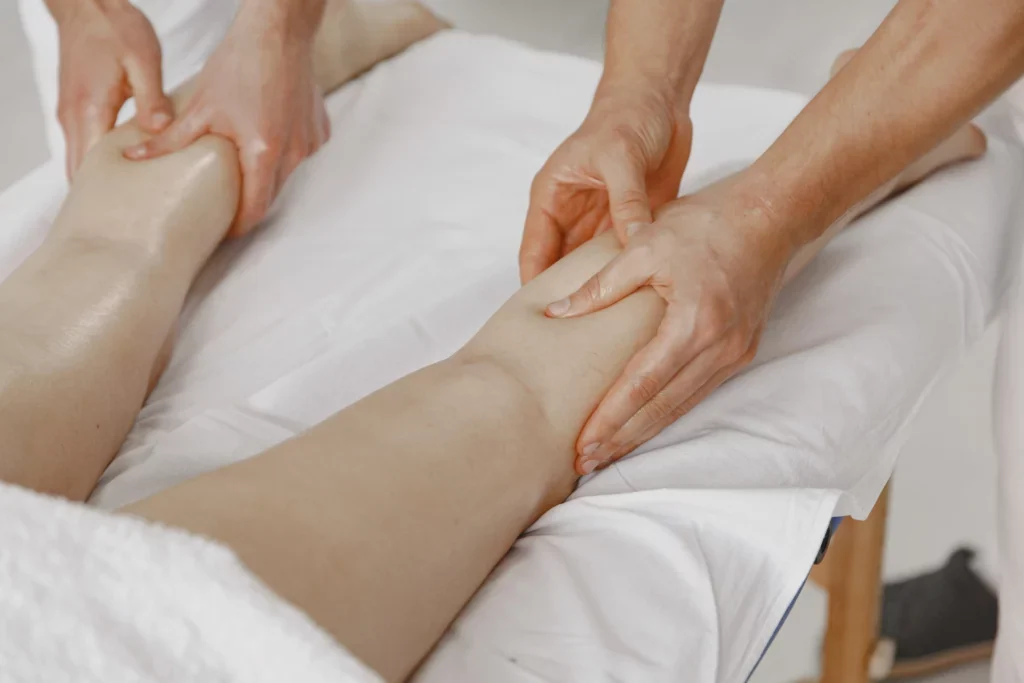
Lymphatic Drainage is a technique designed to stimulate lymphatic circulation using gentle pressure applied in a consistent rhythm.
The Therapist applies pressure along the pathways of the lymphatic vessels to help move lymph and excess fluid accumulated in the tissues, including waste products, residual substances, and damaged cellular debris, into the lymphatic vessels and lymph nodes before they return to the circulatory system.
The result may be improved circulation, reduced swelling, a lighter and more comfortable feeling, reduced tightness in different areas of the body, and support for immune-system function, helping promote internal balance.
General massage, however, differs significantly in both technique and intended outcome.
Traditional massage generally uses deeper and stronger pressure to help relax the muscles, relieve muscle aches and joint tightness, and improve physical movement.
Results After Lymphatic Drainage
- The body may feel lighter and more comfortable, with reduced heaviness and tightness as excess fluid moves appropriately back into circulation.
- Swelling may decrease and certain body areas may appear smaller, including the face, neck, underarms, arms, torso, abdomen, and legs.
- The body may feel more relaxed and sleep may improve.
- Urination may temporarily become more frequent, and some individuals may feel hungrier or thirstier because the body is eliminating excess fluid.
The time required to notice results varies depending on several factors, including baseline health, individual body response, and personal self-care.
What Types of Lymphatic Drainage Are There?
Lymphatic Drainage can generally be divided into two main types:
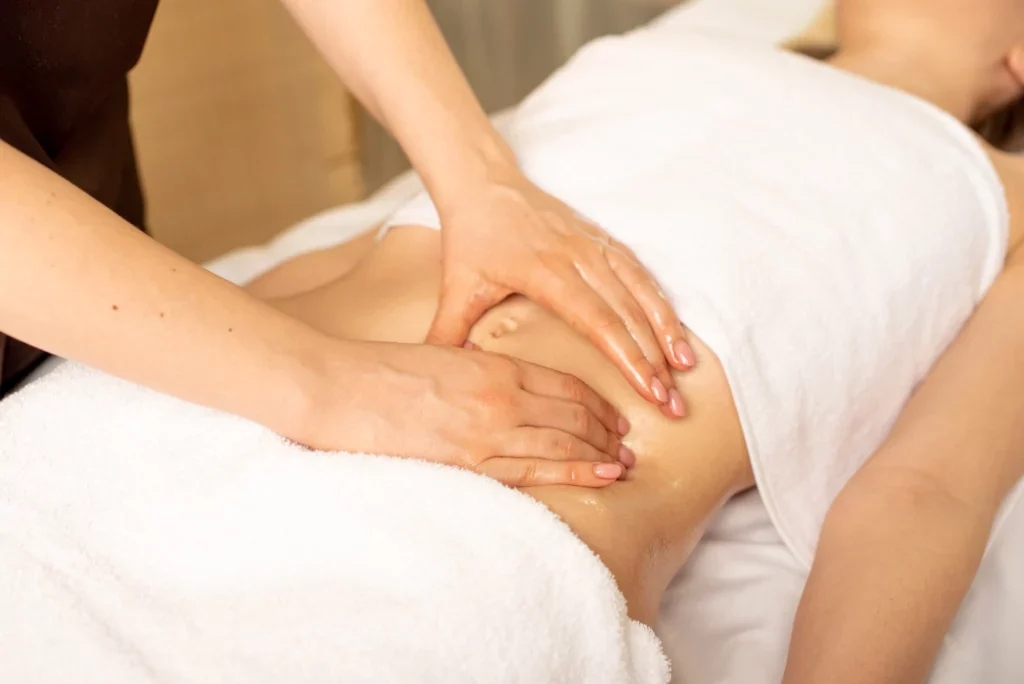
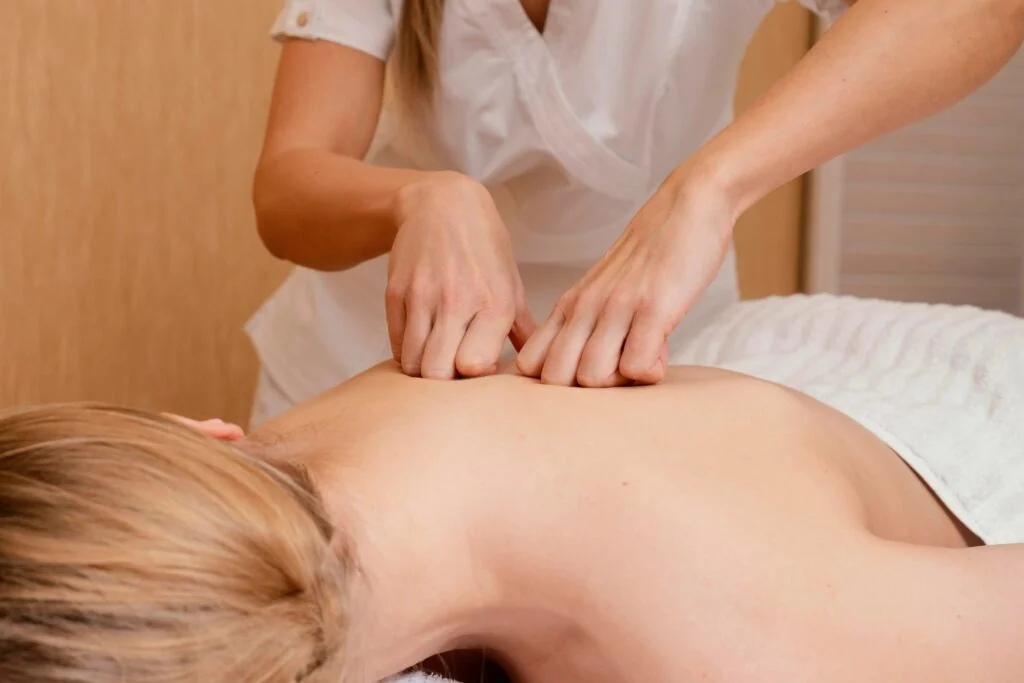
- Manual Lymphatic Drainage (MLD): The practitioner uses the hands to apply gentle, rhythmic pressure along lymphatic vessels and lymph nodes in different areas of the body to help move excess fluid out of the tissues. One advantage of manual treatment is the ability to adjust pressure and use several massage techniques, including Stationary Circles, Scoop Technique, Pump Technique, and Rotary Technique. It can be performed on multiple areas of the body and may provide a relaxing experience.
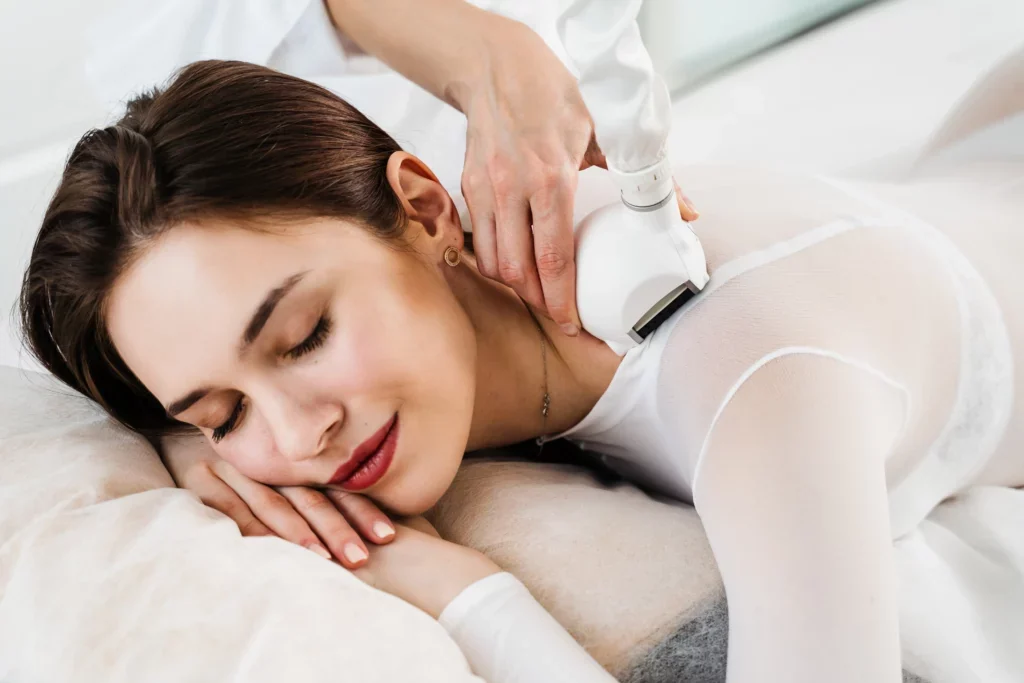
- Device-Assisted Lymphatic Drainage: Specialized equipment may be used, including intermittent pneumatic compression devices, vacuum suction systems, and light-based therapy such as Photobiomodulation (PBM), to help stimulate fluid movement within the tissues, reduce swelling, and support lymphatic and blood circulation. One advantage of device-assisted treatment is that the pressure can be controlled more precisely and delivered consistently across the treatment area, potentially allowing more comprehensive care depending on the technology used.
The appropriate type of Lymphatic Drainage depends on each individual's health condition and treatment goals.
Those interested may consult an experienced professional to determine the most appropriate recovery approach.
What Can Lymphatic Drainage Help With?
Lymphatic Drainage performed manually or with appropriate equipment may support the body in several ways:
- Helps support lymphatic circulation and reduce swelling caused by excess fluid retained within the tissues.
- Supports recovery after long-distance travel, prolonged periods of inactivity, or insufficient rest, helping the body feel lighter and more comfortable.
- Helps the skin appear fresher and may reduce dullness as circulation improves.
- Supports immune-system function, helping the body maintain better overall health and potentially recover more effectively.
- Supports recovery after certain procedures. Research suggests that Lymphatic Drainage may help reduce swelling caused by retained fluid, decrease tissue tightness, and support recovery after certain procedures or cosmetic surgery, potentially improving patient satisfaction (Marxen et al., 2023).
- Helps promote relaxation and reduce accumulated stress and fatigue. A study evaluating Manual Lymphatic Drainage (MLD) applied to the neck in healthy individuals found that MLD may help lower systolic blood pressure and that certain massage techniques may temporarily reduce heart rate, responses associated with relaxation. However, further long-term research is still required (Río-González et al., 2020).
- May help relieve constipation. Clinical evidence suggests that abdominal massage, particularly Manual Lymphatic Drainage (MLD), may help reduce chronic constipation and improve bowel movements in adults in their twenties. However, further research involving more diverse populations and longer follow-up is required to confirm these findings (Drouin et al., 2020).
Which Areas of the Body Can Receive Lymphatic Drainage?
Lymphatic Drainage can be performed on multiple areas of the body, including:
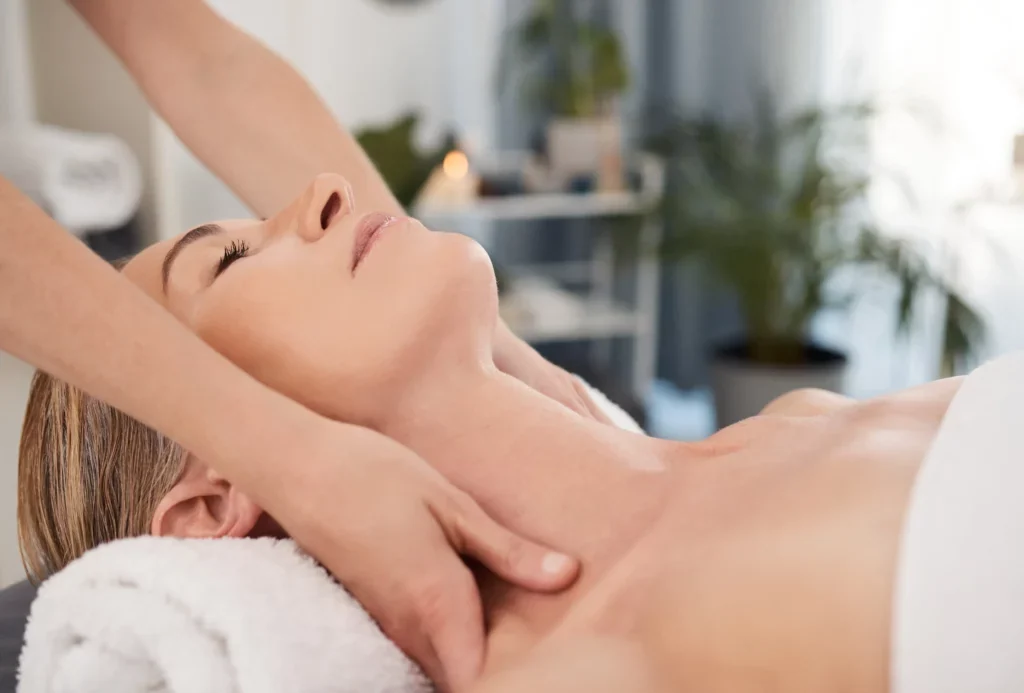
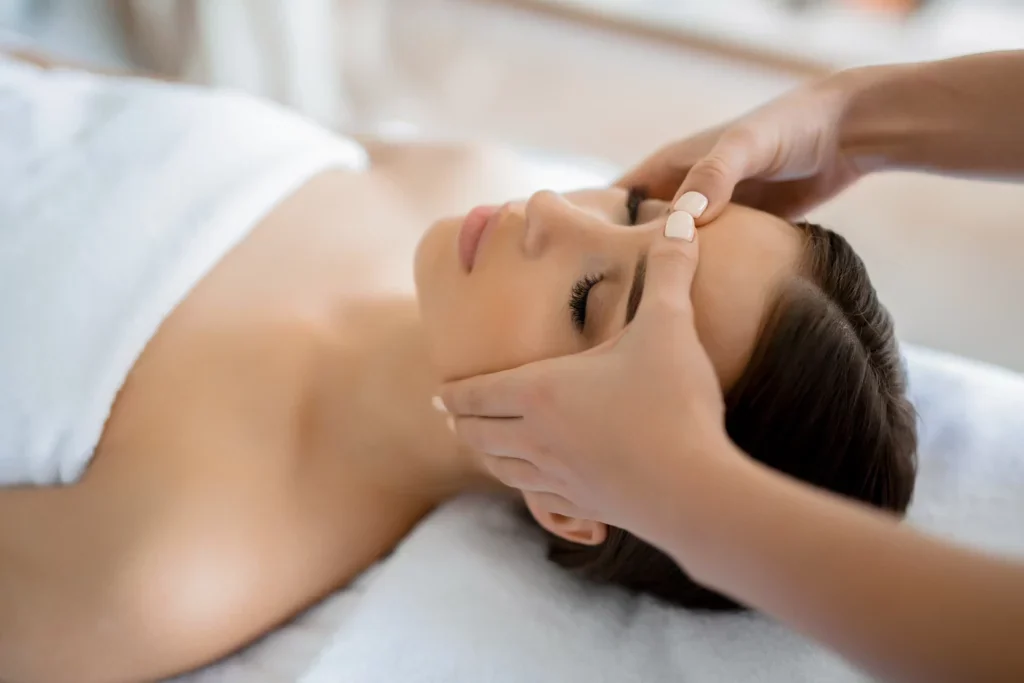
- Face: Helps reduce swelling, stimulate circulation, and improve the appearance of the skin.
- Neck, shoulders, and back: Helps reduce tension and support waste drainage.
- Underarms and arms: Helps reduce swelling.
- Abdomen and hips.
- Thighs and calves.
- Feet: Helps reduce swelling in the feet and ankles.
The appropriate treatment area depends on each individual's health condition and treatment goals.
Who May Be Suitable for Lymphatic Drainage?
- Individuals with Lymphedema or lymphatic obstruction who experience swelling more easily than usual.
- Individuals who move very little, sit for long periods, or frequently travel long distances.
- Individuals who feel fatigued, physically heavy, or less refreshed because of insufficient rest or accumulated stress.
- Individuals who want to support recovery after intense exercise, including athletes who train regularly.
- Individuals recovering after surgery who are looking for an approach to help reduce swelling.
- Individuals who want to support overall health recovery and immune-system function.
Is Lymphatic Drainage Dangerous or Are There Side Effects?
In general, Lymphatic Drainage is a gentle body-recovery technique performed manually or with standardized equipment and is considered relatively safe when carried out under the supervision of an experienced professional or Therapist.
Before treatment, the body should be assessed in detail to evaluate potential risks and create an individualized recovery plan.
However, some temporary side effects may occur after Lymphatic Drainage, including soreness or tightness in certain areas, fatigue, dizziness, more frequent urination, or increased thirst.
These symptoms are usually temporary and generally improve naturally within approximately 1–3 days after treatment.
How Often Should Lymphatic Drainage Be Performed?
The appropriate frequency and the time required to begin noticing results vary depending on each individual's baseline health.
Many people may feel lighter and more comfortable, with improvements in swelling and tightness from the first treatment.
Others may need several weeks of continuous treatment before clearer changes become noticeable.
- For individuals who swell easily, have lymphatic fluid retention, or are recovering after surgery, a physician may recommend treatment 1–2 times per week for 4–6 consecutive weeks. The frequency may then be reduced to approximately 1–2 times per month to maintain clearer results.
- Individuals who want general physical recovery, athletes, or those recovering after long-distance travel may receive treatment approximately 1–2 times per month or as a course according to the physician's recommendation.
Treatment should be performed under the supervision of an experienced professional or Therapist who can assess the body and determine the most appropriate frequency.
How to Take Care of Yourself Before and After Lymphatic Drainage
How to Prepare Before Lymphatic Drainage
- Get sufficient rest and sleep for 6–8 hours. Try to stay relaxed and avoid excessive stress.
- Drink plenty of clean water to support lymphatic circulation.
- Maintain good overall health and try to avoid wounds or inflammation of the skin.
- Avoid alcohol and smoking for at least 1–2 days before treatment.
- Inform the care provider in detail about your health history, underlying medical conditions, medications, and supplements regularly used so that potential risks can be assessed before treatment.
How to Take Care of Yourself After Lymphatic Drainage
- Drink plenty of clean water to help support the body's natural elimination of waste.
- Perform light activities such as walking, yoga, or regular gentle movement to stimulate circulation.
- Avoid strenuous exercise or activities requiring significant physical exertion for at least the first 24 hours after treatment.
- Avoid alcohol, strongly flavored foods, salty foods, and fried foods to reduce fluid retention.
- Get sufficient rest to allow the body to recover fully.
- Monitor your body carefully. If abnormal symptoms occur, such as pain, swelling or redness in the treated area, severe fatigue, dizziness, or high fever, seek medical attention immediately.
LINNA Lymphatic Drainage Therapy by Advanced Robotic Technique: An Option for Internal Recovery and Rebalancing at LINNA Clinic
LINNA Lymphatic Drainage Therapy by Advanced Robotic Technique is an Italian innovation for health recovery and body detoxification that has been recognized by medical teams in more than 50 countries worldwide.
It combines 3 recovery technologies in one system:
- Patented Roboderm® Technology: Helps address multiple skin concerns through the Multi Micro Alveolar Stimulation (M.M.A.S.) vacuum-massage system. It stimulates activity within the spaces of connective tissue and may provide noticeable changes from the first treatment, although results vary between individuals.
- LASER 915 nm: Reaches deeper into the fat and muscle layers, helps reduce inflammation, relax fibrotic tissue, and support efficient oxygen delivery to cells.
- LED 650 nm: Helps stimulate collagen and elastin production, supporting stronger and more vibrant-looking skin.
The system includes more than 40 intelligent programs and up to 11 Hand Pieces.
This allows the physician to freely adjust the treatment according to each person's anatomy and individual goals.
The procedure is not painful and can be performed every day without treatment-time limitations.
Who May Be Suitable for LINNA Lymphatic Drainage Therapy by Advanced Robotic Technique?
- Individuals with Lymphatic Insufficiency, Lymphoedema, or Edema.
- Individuals with vascular concerns such as poor venous return, chronic wounds, or temporarily reduced blood circulation in certain areas.
- Individuals with scars, burns, or scald injuries.
- Individuals with post-surgical fibrosis.
- Individuals with cellulite, uneven skin, or orange-peel skin.
- Individuals with constipation or irregular bowel movements.
LINNA Clinic provides holistic health care through LINNA Lymphatic Drainage Therapy by Advanced Robotic Technique under appropriate assessment by highly experienced professionals.
An individualized care plan can be developed to support appropriate outcomes and address each person's specific needs.
If you experience frequent swelling, accumulated fatigue, or want to begin supporting internal body balance through lymphatic drainage performed by experienced professionals, you can contact LINNA Clinic for consultation and an individualized program.
Contact 063-609-8888, WhatsApp +66 919799554, or LINE: @linnaclinic.
References
- Marxen, T., Shauly, O., Goel, P., Tsan, T., Faria, R., & Gould, D. J. (2023). The utility of lymphatic massage in cosmetic procedures. Aesthetic Surgery Journal Open Forum, 5, ojad023. https://doi.org/10.1093/asjof/ojad023
- Río-González, Á., Cerezo-Téllez, E., Gala-Guirao, C., González-Fernández, L., Díaz-Meco Conde, R., de la Cueva-Reguera, M., & Gutiérrez-Ortega, C. (2020). Effects of different neck manual lymphatic drainage maneuvers on the nervous, cardiovascular, respiratory and musculoskeletal systems in healthy students. Journal of Clinical Medicine, 9(12), 3978. https://pubmed.ncbi.nlm.nih.gov/33339196/
- Drouin, J. S., Pfalzer, L., Shim, J. M., & Kim, S. J. (2020). Comparisons between manual lymph drainage, abdominal massage, and electrical stimulation on functional constipation outcomes: A randomized, controlled trial. International Journal of Environmental Research and Public Health, 17(11), 3924. https://doi.org/10.3390/ijerph17113924
This article has been prepared and reviewed by the LINNA Clinic medical team.
Interested in this program or need personalised advice?
The LINNA Clinic team is ready to help you choose the program that suits you best.