Good health begins with taking care of the body from within. In today’s world, risk factors for various health conditions continue to increase, ranging from infectious agents, pollution, toxins, and insufficient rest to the foods we consume every day. As a result, more people are placing greater importance on in-depth approaches to health care. One medical procedure that has gained attention is
Plasma Exchange
, also known as
“plasma replacement therapy.”
This procedure is designed to remove certain inflammatory mediators, abnormal proteins, and selected waste substances from the bloodstream.
What is Plasma Exchange? What are its potential benefits, and what precautions should you know before undergoing the procedure?
LINNA Clinic has the answers.
What Is Plasma Exchange?
Plasma Exchange, also known as therapeutic plasma exchange, is a medical procedure that uses specialized equipment to separate and remove plasma containing unwanted substances, such as abnormal antibodies (autoantibodies), inflammatory proteins, toxins, and other circulating substances, from the remaining blood components. The removed plasma is then replaced with an appropriate replacement fluid, such as Fresh Frozen Plasma (FFP), saline, or albumin, in order to help maintain fluid and protein balance in the body.
Plasma is the clear, yellowish liquid component of blood that carries proteins, antibodies, lipids, hormones, and many other substances throughout the circulation. When disease-related or inflammatory substances accumulate in plasma and interfere with normal body functions, Plasma Exchange can rapidly reduce their circulating levels. Depending on the clinical indication, it may be used as part of a treatment plan together with standard medical therapy.
How Is Plasma Exchange Different from DFPP?
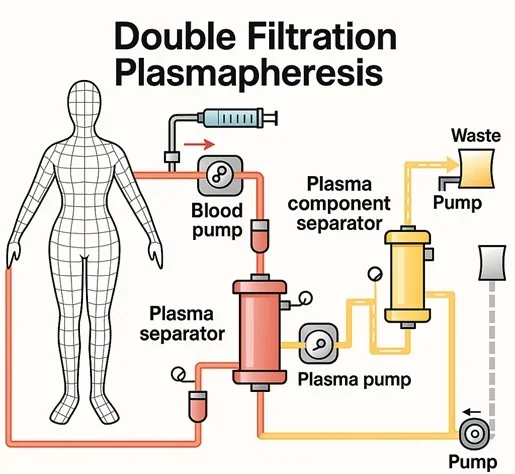
Both Plasma Exchange and DFPP are plasmapheresis-based procedures designed to reduce selected unwanted substances in the bloodstream. The main difference lies in how the plasma is processed and whether replacement fluid is required.
With Plasma Exchange, the patient’s plasma is removed and replaced with donor plasma or an albumin-based replacement solution. This approach is often used when certain abnormal antibodies or proteins need to be reduced relatively quickly.
DFPP (Double Filtration Plasmapheresis) uses a two-stage filtration process. First, plasma is separated from the blood cells. The plasma then passes through a second, more selective filter designed to remove specific larger molecules, after which much of the filtered plasma is returned to the patient. This can reduce the need for external plasma replacement and may preserve more beneficial plasma proteins. DFPP may be considered for certain conditions involving abnormally elevated lipids or proteins, depending on medical assessment.
Plasma Exchange Procedure
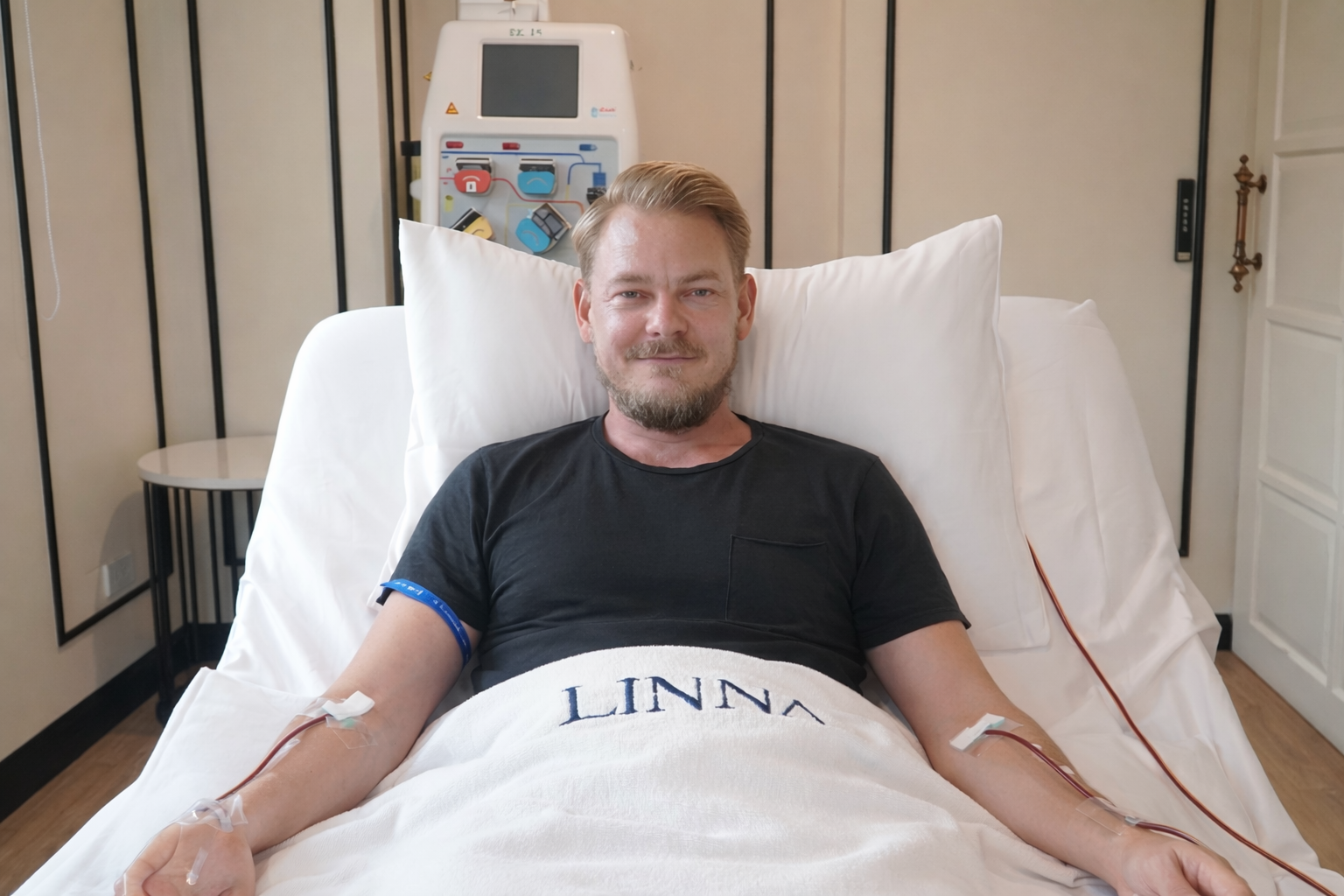
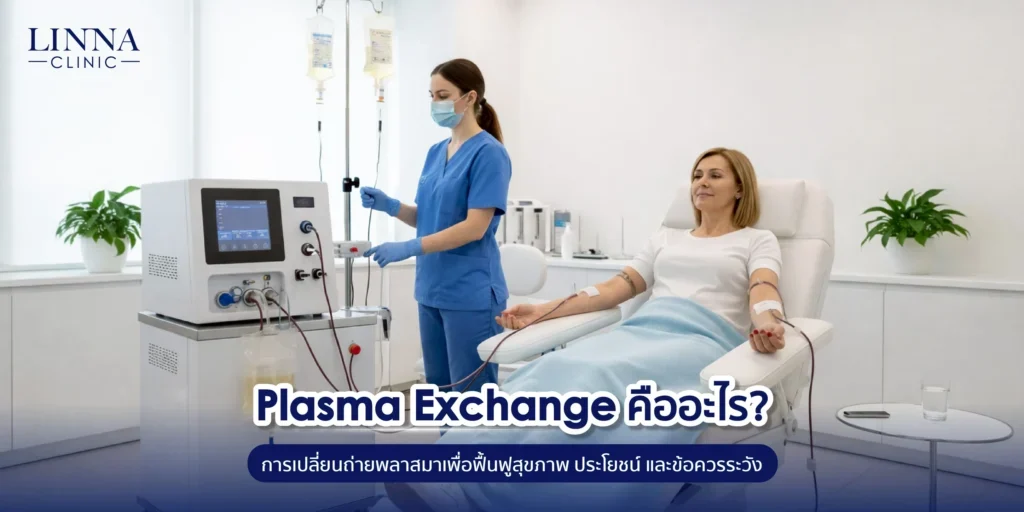
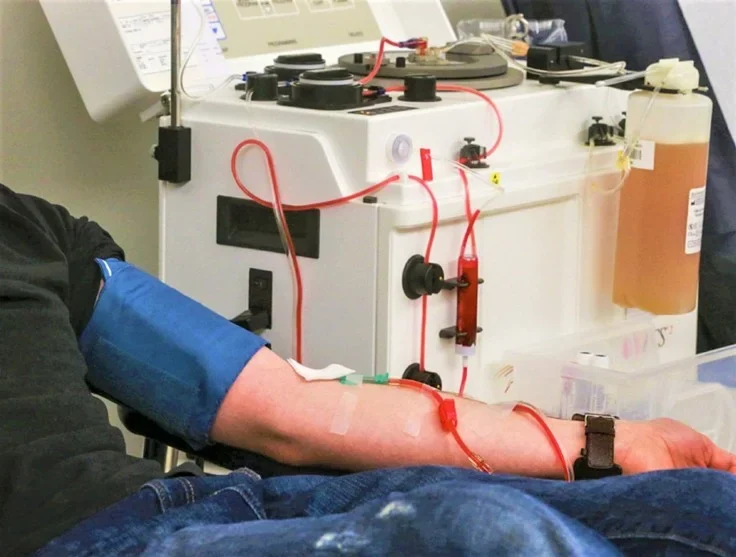
Plasma Exchange should be performed under the supervision of an experienced medical and nursing team using appropriate medical equipment. The procedure generally takes around 1.5–3 hours, depending on the individual case.
- Pre-treatment assessment: The physician may order blood tests and check blood pressure, pulse, and overall health status to assess risks and plan the procedure appropriately.
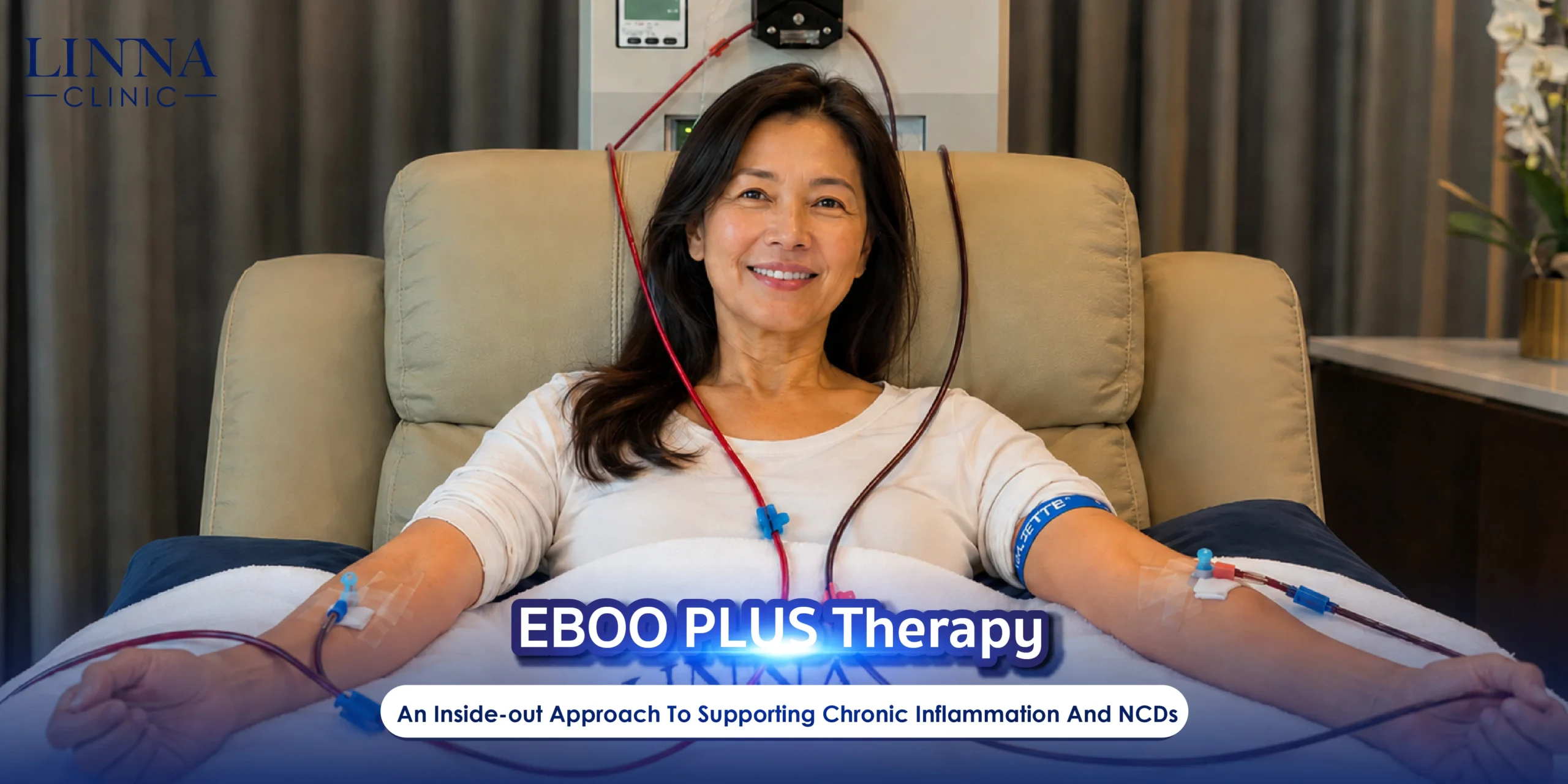
- Venous access: One or two intravenous lines are commonly placed in the arms to withdraw and return blood. In some cases, a larger central venous catheter may be required in the neck or groin, which should be inserted in an appropriately equipped medical setting.
- Plasma separation: Blood is passed through an apheresis system that separates plasma from red blood cells, white blood cells, and platelets. The plasma containing targeted unwanted substances is removed, while the cellular components are retained for return to the body.
- Plasma replacement: Replacement fluids such as Fresh Frozen Plasma or albumin solution are combined with the retained blood cells and gradually returned to the body to maintain fluid and protein balance.
- Post-treatment monitoring: Blood pressure, pulse, and other clinical signs are monitored after the procedure. Depending on the patient’s condition and the physician’s assessment, some patients may be able to return home on the same day.
What Can Plasma Exchange Help With?
Helps remove certain circulating inflammatory mediators, such as cytokines and selected proteins involved in immune-related disease processes
Helps reduce abnormal antibodies that may contribute to autoimmune attacks on the body’s own tissues, and may support response to standard treatment in selected diseases
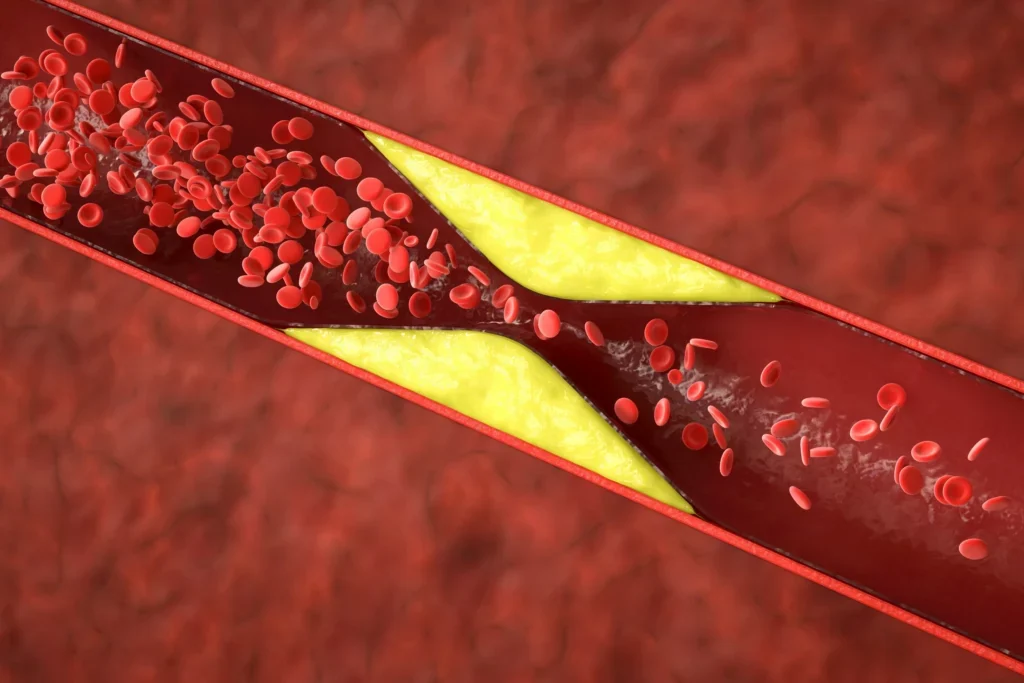
In certain conditions, may help reduce excessive blood viscosity and support circulation
Removes selected plasma components, such as abnormal proteins, certain lipids, toxins, or substances associated with inflammation
May be used as an adjunct to standard medical treatment when there is an appropriate clinical indication
Who May Be Suitable for Plasma Exchange?
- Patients with certain autoimmune or neurological disorders for which reducing circulating antibodies or other plasma components is clinically indicated
- Individuals with very high levels of certain proteins that cause hyperviscosity
- Selected patients undergoing treatment for inflammatory or immune-mediated diseases when Plasma Exchange is recommended as part of their medical management
- Individuals in whom physicians identify specific pathogenic or abnormal plasma components that require rapid removal
All patients should undergo a medical evaluation to determine the indication, potential benefits, and risks before Plasma Exchange. It should not be used as a substitute for standard treatment unless specifically recommended by a physician.
Who May Not Be Suitable for Plasma Exchange?
Individuals with uncontrolled bleeding disorders or severe coagulation abnormalities
Individuals with uncontrolled severe heart failure or kidney disease
Individuals with severe active infection or unstable medical conditions
Individuals with very low blood pressure or significant risk of shock
Individuals with a history of severe reactions to plasma replacement products such as albumin or donor plasma
Pregnant or breastfeeding women should inform their physician and undergo individualized assessment before treatment
Possible Side Effects of Plasma Exchange
Plasma Exchange is a medical procedure with recognized risks and should be performed under experienced medical supervision. Temporary side effects may include:
- Chills during the procedure
- Fatigue or weakness
- Tingling or numbness in the hands or feet
- Headache or dizziness
- Mild nausea or general discomfort
- Tenderness or bruising at the catheter site
- Temporary reduction in blood pressure
If severe dizziness, difficulty breathing, chest pain, excessive bleeding, or other serious symptoms occur, immediate medical attention should be sought.
How to Take Care of Your Body Before and After Plasma Exchange
How to Prepare Before Plasma Exchange
Inform your physician in detail about any underlying medical conditions, medications, supplements, and history of drug allergies.
Undergo blood tests and a medical assessment as recommended by your physician.
Maintain adequate hydration during the 1–2 days before the procedure.
Get sufficient rest, ideally around 6–8 hours of sleep, to prepare your body for treatment.
Stop any supplements or medications that may affect blood clotting only as instructed by your physician.
Aftercare Following Plasma Exchange
Drink sufficient water, particularly during the first 24–48 hours, to support healthy circulation and recovery.
Avoid strenuous activities, heavy lifting, and intense exercise during the first 24–48 hours.
Eat nutritious foods and avoid alcohol and smoking.
If you experience unusual symptoms such as difficulty breathing, severe dizziness, faintness, swelling, redness, or significant pain around the catheter site, seek medical attention immediately.
Summary
Plasma Exchange is a medical procedure that can reduce certain inflammatory substances, abnormal antibodies, and specific proteins that may interfere with the circulatory and immune systems. When clinically indicated, it may be used as part of a broader medical treatment and recovery plan.
However, Plasma Exchange should be performed under the supervision of an experienced physician to assess suitability, potential risks, and the most appropriate treatment approach. For a personalized health assessment and treatment plan with the LINNA Clinic medical team, please contact 063-609-8888, WhatsApp +66 919799554, or LINE: @linnaclinic.
This article has been prepared and reviewed by the LINNA Clinic medical team.
Interested in this program or need personalised advice?
The LINNA Clinic team is ready to help you choose the program that suits you best.