抗衰老

What Is DFPP (Plasmapheresis), and How Can It Help Reduce Heavy Metals and Toxins Accumulated in the Body?

Double Filtration Plasmapheresis (DFPP) is a two-stage plasma filtration technique that may help reduce certain heavy metals, accumulated toxins, blood lipids and inflammatory substances circulating in the bloodstream, under the supervision of an experienced physician.

ทีมแพทย์ LINNA Clinic2026年8月17日 13 分钟阅读
What Is DFPP (Plasmapheresis), and How Can It Help Reduce Heavy Metals and Toxins Accumulated in the Body?

Every day, our bodies may be exposed to more heavy metals and environmental toxins than we realize—from air pollution, dust and smoke, contaminated food, industrial chemicals, and certain residues found in our surroundings. Although these substances cannot be seen with the naked eye, continuous exposure may affect health in many ways, ranging from acute symptoms to more serious long-term health consequences.

For this reason, medical innovations have been developed to help reduce the burden of heavy metals, accumulated toxins, and certain undesirable substances circulating in the bloodstream. One such option is Double Filtration Plasmapheresis (DFPP), a plasmapheresis technique that uses a more selective two-stage plasma filtration process. It offers another approach to restoring health from within under the supervision of an experienced physician.

完整文章提供泰语版本。

What Is DFPP (Plasmapheresis), and How Does It Work?

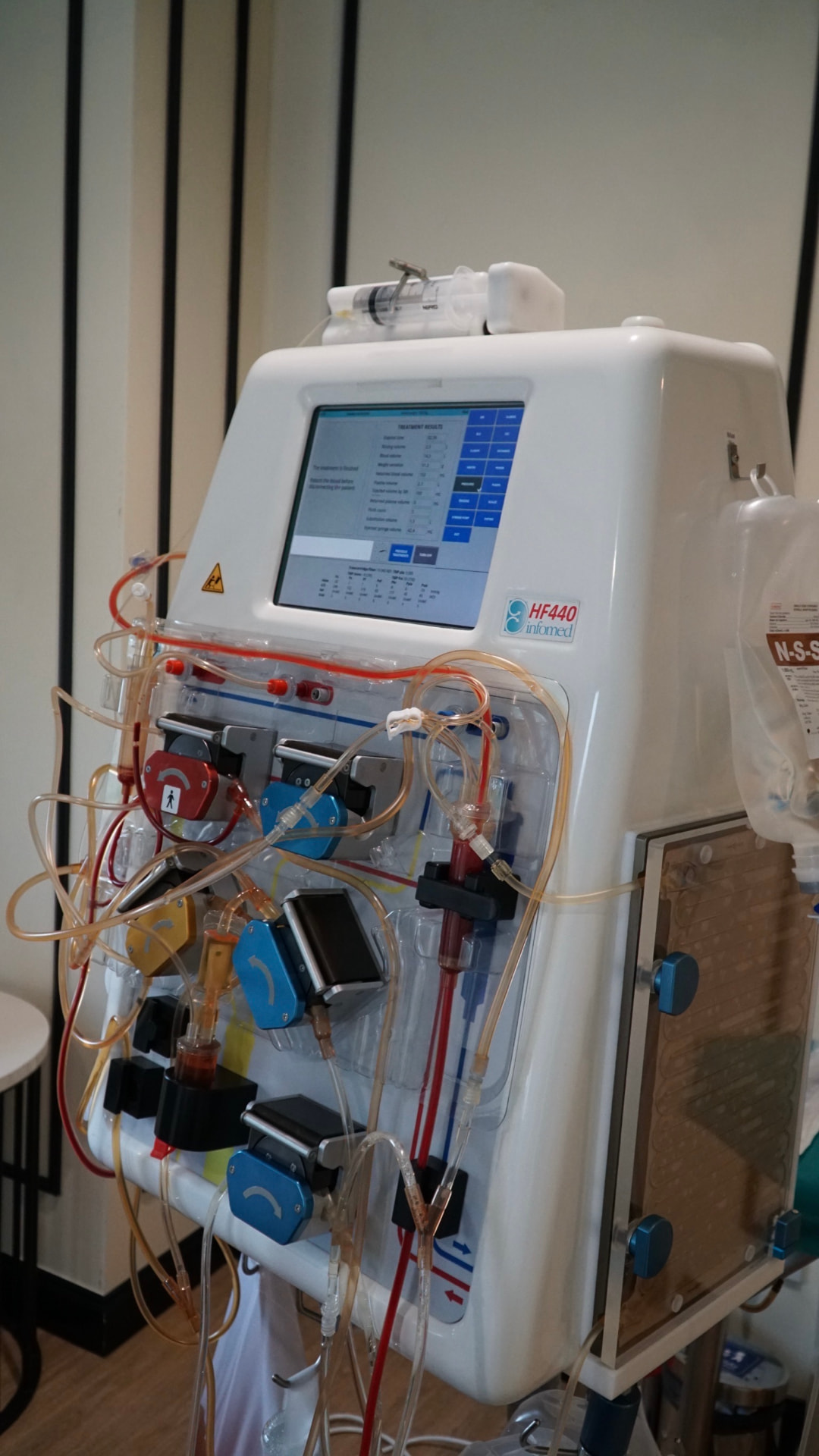
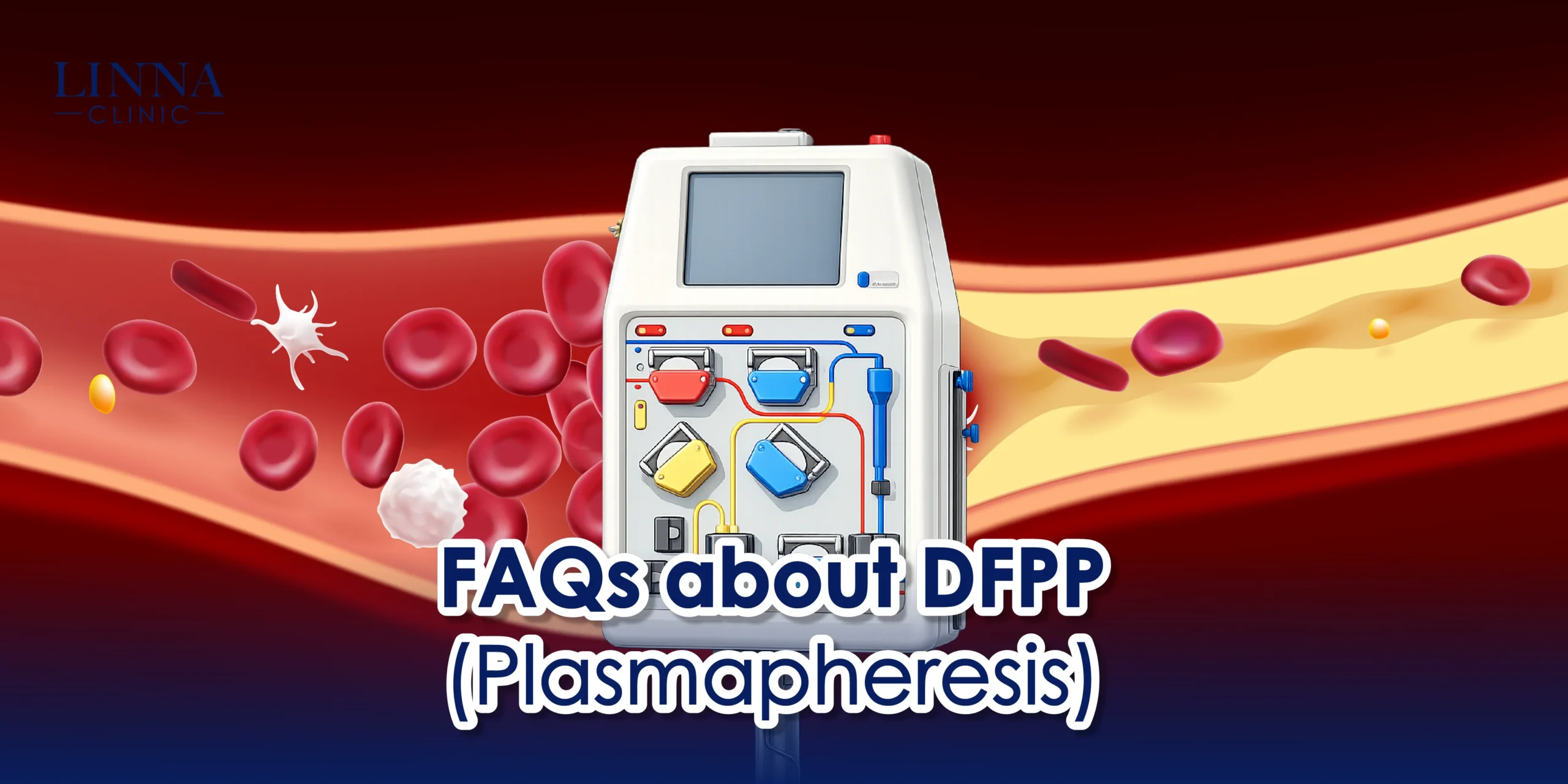
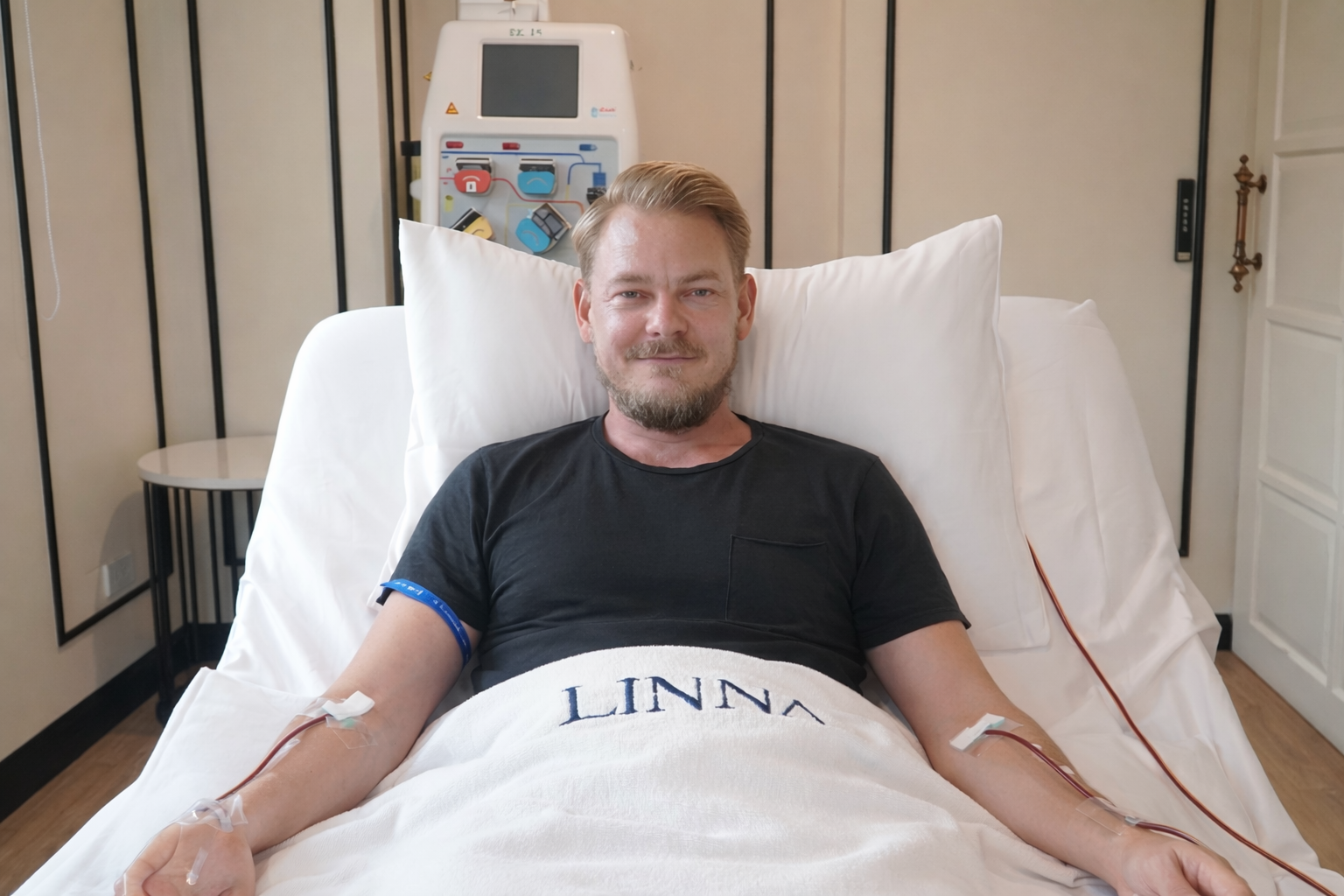
DFPP, or Double Filtration Plasmapheresis, is a two-stage plasma filtration technique (Double Filter System). In the first stage, plasma is separated from the blood cells. The plasma is then passed through a second, selective filter to help remove certain undesirable substances. The more thoroughly filtered plasma is subsequently returned to the body together with the blood cells and other essential proteins. The DFPP process can be divided into three main stages:

  • Separating plasma from the blood: Blood is drawn from the patient and directed into a closed-system filtration machine. It passes through the first filter, or plasma separator, which separates the plasma from the blood cells.
  • Filtering the plasma through a selective filter: The plasma passes through a second filter designed to help reduce certain undesirable substances, such as cholesterol, triglycerides, large-molecular-weight proteins, inflammatory mediators, abnormal antibodies, and certain heavy metals and residual toxins. This produces cleaner plasma with smaller molecular components.
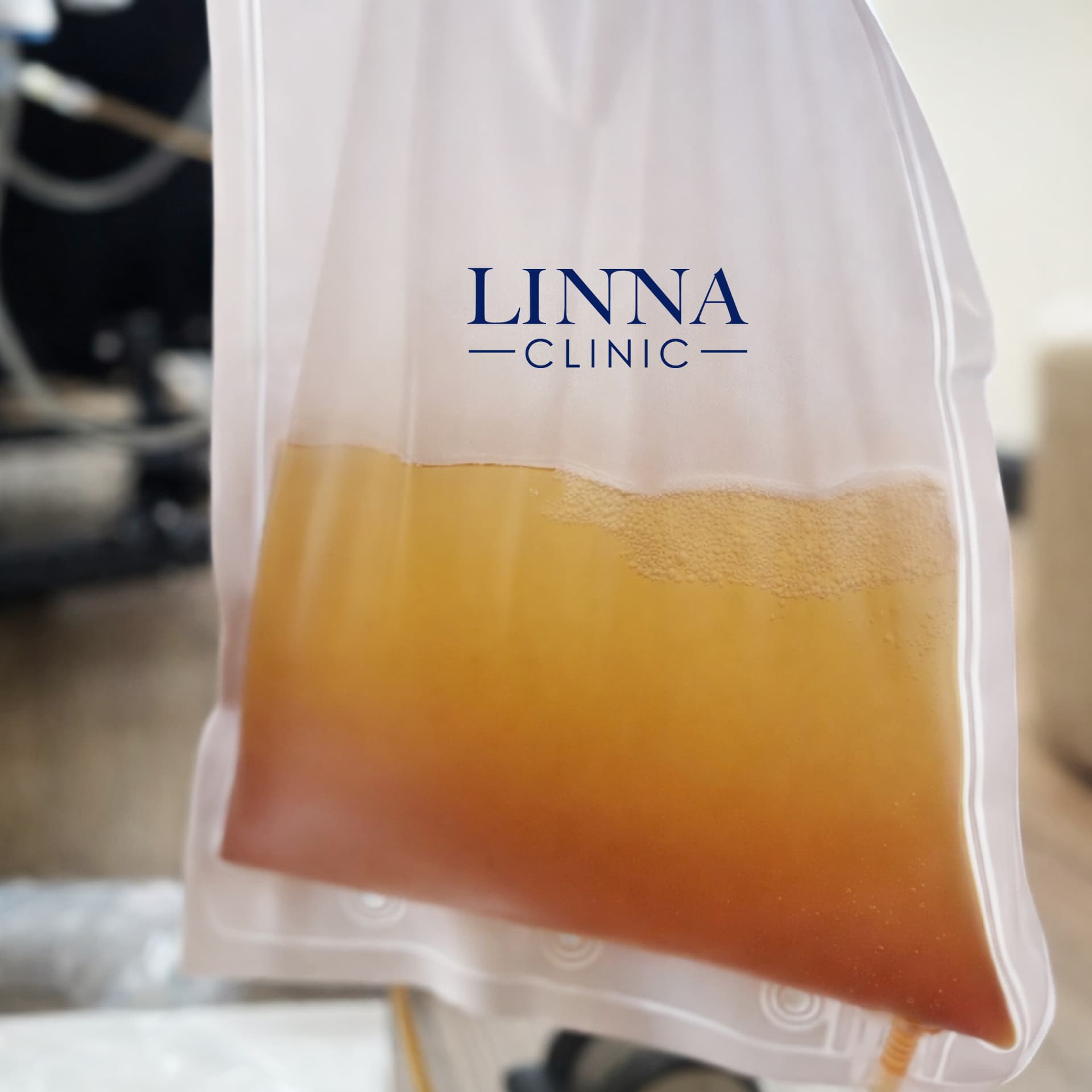
  • Returning the plasma to the body: The filtered plasma is returned together with the blood cells, other essential proteins, and replacement fluid as determined by the physician. In most cases, a smaller volume of replacement fluid is required than with conventional plasma exchange. After DFPP is completed, the patient will rest in bed for approximately 30 minutes for observation and may return home if no abnormalities are detected.

However, the results and effectiveness of DFPP may vary from person to person, depending on the individual’s health condition, physiological response, and the standards of the equipment used by the healthcare facility. Every stage of the procedure must be performed under the supervision of an experienced physician.

Is DFPP Different from Plasmapheresis?

Plasmapheresis is a medical blood-purification process that separates plasma from blood cells to remove a portion of the plasma containing undesirable substances, such as lipids, abnormal antibodies, inflammatory proteins, and certain heavy metals and toxins. The blood cells are then returned to the body, together with an appropriate replacement fluid. Two forms of plasmapheresis are commonly used today:

  • DFPP (Double Filtration Plasmapheresis): A two-stage plasma filtration process. First, plasma is separated from the blood cells. The plasma then passes through a second filter that selectively removes certain undesirable substances before the blood cells and filtered plasma are returned to the body.

A key advantage of DFPP is its ability to selectively remove certain groups of undesirable substances from plasma while returning the filtered plasma to the body. This helps reduce the need for large volumes of replacement fluid and minimizes the loss of albumin, proteins, and other beneficial plasma components.

  • TPE (Therapeutic Plasma Exchange): A plasma exchange procedure performed for therapeutic purposes. Plasma is separated from the blood cells and completely removed from the system. It is then replaced with medical fluids such as albumin or donor-derived Fresh Frozen Plasma (FFP), while the blood cells are returned to the body.

This procedure is therefore suitable for patients with specific medical indications or certain conditions requiring the rapid reduction of disease-causing substances circulating in the plasma, such as abnormal antibodies, abnormal proteins, inflammatory mediators, and certain toxins. It is generally performed in a hospital or suitably equipped healthcare facility under close medical supervision.

The choice of procedure should depend on the medical indication, the patient’s physical condition, and an individualized assessment by a physician.

What Types of Substances Can DFPP (Plasmapheresis) Help Reduce?

  • Certain blood lipids, such as LDL cholesterol, triglycerides, and certain lipoproteins, particularly in cases of hyperlipidemia or when medically indicated and considered appropriate by a physician.
  • Certain inflammatory mediators, such as cytokines and acute-phase proteins (APPs).
  • Abnormal antibodies or immune substances, such as autoantibodies, immunoglobulins, and immune complexes associated with autoimmune diseases or abnormal immune responses.
  • Certain heavy metals and environmental toxins, such as aluminium, arsenic, mercury, lead, cadmium, and chromium, as well as residual environmental organic compounds, pesticides, chemicals, and certain volatile organic compounds.

However, the degree to which each substance is reduced may vary depending on the individual’s health condition, the type and level of the substance present, and the properties of the substance itself. Anyone interested in DFPP should therefore undergo a health assessment and receive an individualized care plan under a physician’s guidance.

What Are the Harmful Effects and Symptoms of Heavy Metals and Toxins Accumulated in the Body?

The effects of accumulated heavy metals and toxins depend on several factors, including the type and amount of the substance, duration of exposure, age, underlying health, and the body’s ability to eliminate the substance. Symptoms may vary between individuals, ranging from nonspecific general symptoms to abnormalities affecting different body systems, including:

  • Nonspecific general symptoms, such as chronic fatigue, easy fatigability, dizziness, insomnia, loss of appetite, and weight loss. Some individuals may also experience itchy rashes, dull-looking skin, muscle aches, or difficulty concentrating.
  • Neurological and brain-related symptoms, such as numbness or tingling in the hands and feet, tremors, reduced memory, mood changes, or impaired balance.
  • Effects on vital organs and body systems, including the kidneys, liver, blood, gastrointestinal, cardiovascular, and reproductive systems.
  • Long-term health risks, such as declining kidney function, anaemia, reduced bone density, or an increased risk of certain cancers.

However, the accumulation of heavy metals or toxins in the body cannot be confirmed from symptoms alone, as early symptoms may be unclear and nonspecific. If exposure to heavy metals or accumulated toxins is suspected, a physician should be consulted for a medical history review, physical examination, and consideration of standard laboratory tests to assess risk and develop an appropriate individualized care plan.

How Can DFPP (Plasmapheresis) Help Reduce Heavy Metals and Accumulated Toxins?

DFPP may help reduce certain heavy metals and environmental toxins circulating in the bloodstream through a two-stage plasma filtration process. The first filter separates the plasma from blood cells, including red blood cells, white blood cells, and platelets. The plasma is then passed through a second filter to remove a portion of undesirable substances, such as certain lipids, abnormal antibodies, inflammatory mediators, heavy metals, toxins, and residual waste products. The more thoroughly filtered plasma, containing smaller molecular components, is then returned to the body together with the blood cells and other essential proteins. DFPP’s effectiveness varies by substance and depends on factors such as binding to plasma proteins and lipids, lipid solubility, molecular size, and tissue distribution. Substances that bind to plasma components may be more readily reduced than those distributed within tissues or cells.

According to a 2025 study published in the Journal of Clinical Apheresis, DFPP was investigated in patients with hyperlipoproteinemia(a) using the INUSpheresis system. Patients underwent two DFPP sessions using filters with different pore sizes. Following DFPP, levels of certain blood lipids—including total cholesterol, LDL-C, triglycerides, and Lp(a)—as well as certain heavy metals and toxins detected in plasma, such as aluminium, arsenic, and mercury, decreased significantly. Certain persistent organic pollutants, including HCB, PCB 138, and p,p’-DDE, also showed a downward trend.

Conversely, substances that are widely distributed throughout the body and have low blood-protein binding—such as toluene, methyl isobutyl ketone (MIBK), and barium—showed high rebound or redistribution ratios. This suggests that these substances may move back into the bloodstream from other parts of the body after DFPP, resulting in reductions that are less pronounced or less stable than those of other substances. Multiple sessions may therefore be required to achieve clearer results. However, this was a retrospective case series involving a limited number of patients, so further research and long-term follow-up are needed (Castillo-Aleman et al., 2025).

In summary, DFPP may help reduce the levels of certain heavy metals and environmental toxins circulating in the bloodstream, including aluminium, arsenic, mercury, toluene, MIBK, barium, and certain persistent organic pollutants. The degree of reduction varies according to each substance’s properties. An experienced physician will assess the patient and design an individualized care plan (Personalized Solution). Patients should understand, however, that DFPP is a supportive approach intended to help reduce certain undesirable substances in the bloodstream, and results may vary depending on multiple factors.

Can Heavy Metal and Toxin Levels Rise Again After DFPP?

Heavy metal and toxin levels in the blood may rise again after DFPP. This does not necessarily mean that the session was ineffective; the increase may result from other factors, including:

  • Redistribution of substances from tissues into the bloodstream: Certain toxins or heavy metals may accumulate not only in the blood but also in tissues, fat, or cells. When DFPP reduces the levels of some substances in plasma, substances stored in the tissues may gradually move back into the bloodstream as the body re-establishes equilibrium, causing their blood levels to rise again after DFPP.

Research by Castillo-Aleman and colleagues describes the rebound and redistribution of certain groups of substances. Different substances may behave differently, particularly those with low binding to plasma components and extensive tissue distribution. In such cases, the physician may consider additional DFPP sessions or combine DFPP with other appropriate approaches to achieve clearer results.

  • New exposure to environmental toxins: Although the levels of certain substances may decrease after DFPP, they may rise again if the patient remains in the same environment—for example, living in a highly polluted area, regularly inhaling smoke, dust, or toxins, consuming potentially contaminated food, or being exposed to chemicals at work or in daily life.

Patients should therefore understand that DFPP cannot permanently and completely remove all toxins and heavy metals from the body. It is one approach that may help reduce the body’s burden of undesirable substances. For better long-term results, DFPP should be performed under the supervision of an experienced physician and combined with reduced toxin exposure, safe food choices, appropriate liver and kidney care, adequate sleep, and ongoing health monitoring.

Who May Be Suitable for DFPP (Plasmapheresis)?

DFPP may be suitable for individuals seeking to restore their health from within after a thorough assessment by an experienced physician, particularly those who:

  • Are concerned about heavy metals or toxins accumulated in the body.
  • Have a history of regular exposure to pollution, chemicals, or environmental toxins.
  • Have metabolic syndrome, such as high blood lipids, high blood pressure, elevated blood glucose, excess weight, or abdominal obesity.
  • Have chronic inflammation or immune-related health risks.
  • Experience chronic fatigue, slow recovery, or a persistent lack of vitality despite adequate rest.
  • Seek personalized preventive healthcare in consultation with a physician.

However, DFPP may not be suitable for everyone, particularly those with severe uncontrolled underlying conditions, bleeding disorders or current anticoagulant use, pregnant or breastfeeding women, and individuals with a history of allergic reactions to medications or solutions used during blood filtration. A physician should be consulted to determine suitability on an individual basis.

In general, a physician may recommend approximately 2–3 DFPP sessions to reduce certain undesirable substances, toxins, and heavy metals present in the plasma. The required number of sessions may vary between individuals depending on several factors, including the type and level of substances detected, baseline health, underlying medical conditions, and the body’s response after each session.

Is DFPP (Plasmapheresis) Dangerous?

In general, DFPP can be performed safely when carried out at a healthcare facility that meets appropriate standards, uses high-quality equipment and filters, and provides supervision by an experienced physician. However, temporary side effects may occur, such as feeling cold or uncomfortable during the procedure. Patients should inform the supervising physician or nurse so that care can be adjusted appropriately. Other possible effects include fatigue, dizziness, temporary changes in blood pressure, and bruising or irritation at the needle insertion site. These effects are generally mild and usually resolve on their own within 1–3 days.

Support Your Health from Within and Reduce Heavy Metals, Accumulated Toxins, and Residual Waste with the DFPP (Plasmapheresis) Program at LINNA Clinic

The DFPP (Plasmapheresis) Program at LINNA Clinic is designed as another approach to supporting health from within. It focuses on helping reduce the burden of heavy metals, accumulated toxins, inflammatory substances, and certain residual waste products in the body, while supporting blood circulation, helping reduce chronic inflammation, and promoting overall physiological balance. Every stage is assessed and planned by an experienced physician.

Key Features of the DFPP (Plasmapheresis) Program at LINNA Clinic

  • Uses a DFPP medical technology system from Switzerland, specifically designed for plasma filtration. It helps systematically cleanse plasma and reduce accumulated burdens, providing high-quality waste removal while preserving beneficial plasma.
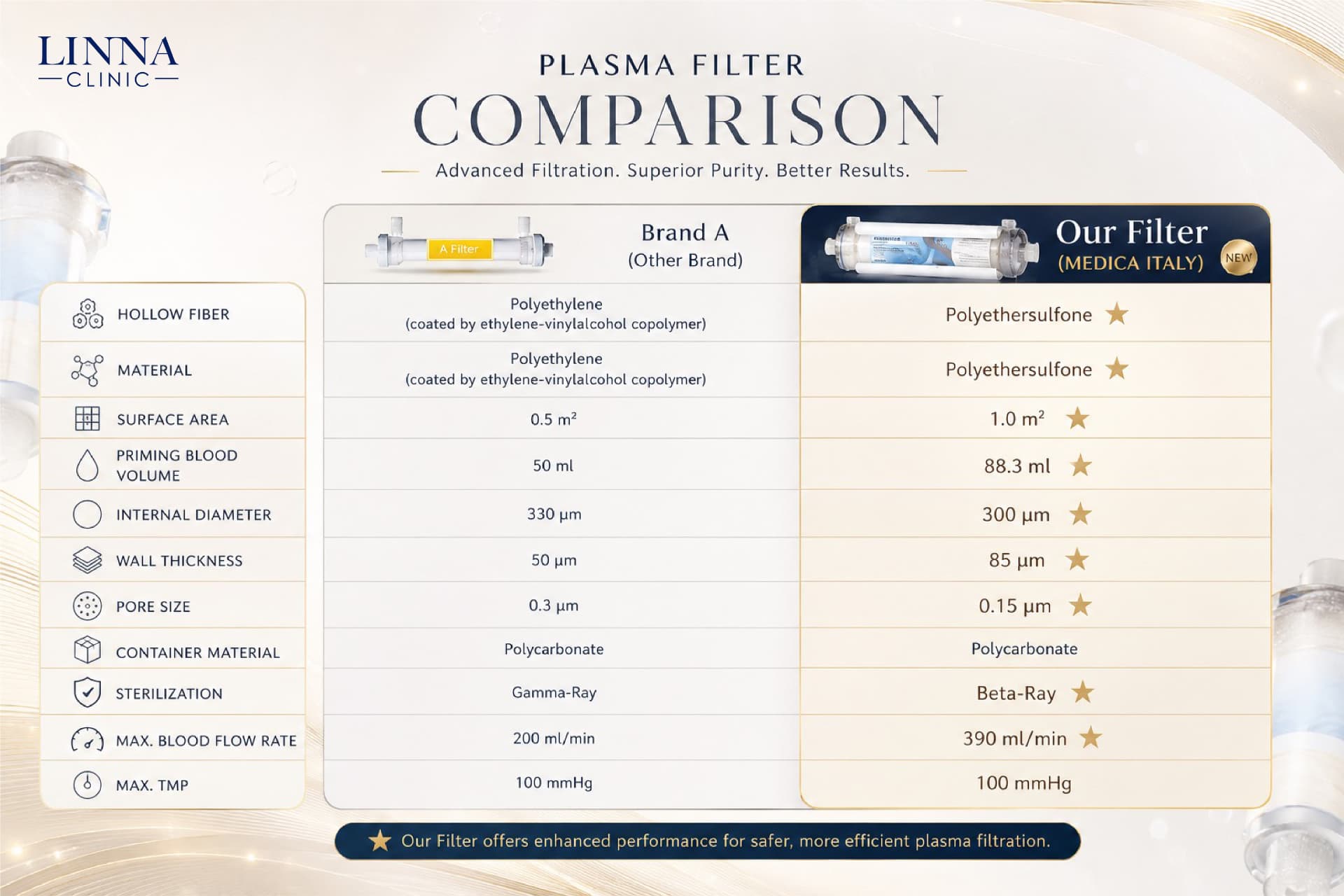
  • Uses a premium 1.0 m² filter with a larger membrane surface area than standard filters, which are generally 0.5–0.6 m². It supports blood flow rates of up to 390 mL per minute, enabling greater circulation and filtration of undesirable substances from plasma within the same treatment period.
  • Uses a polyethersulfone (PES) membrane, a material widely used in medical filtration systems because of its strength, durability, and blood compatibility. Haemodialysis research indicates that this type of membrane can effectively remove medium- and larger-sized molecules. However, separation efficiency depends on the membrane structure, pore size, and properties of each substance.
  • Offers filters in several sizes, allowing the physician to select the option most appropriate for each patient’s concerns and physical condition.
  • Uses peripheral venous access at the arm or elbow crease. This is a straightforward and generally well-tolerated procedure suitable for gradual health support and recovery under the close supervision of an experienced physician.

At LINNA Clinic, our physicians and experienced care team provide support from the initial health assessment and individualized planning through close monitoring during the procedure. Our aim is to make the DFPP (Plasmapheresis) Program another effective option for supporting health from within, delivered safely in accordance with medical standards.

Summary

DFPP, or Double Filtration Plasmapheresis, is a two-stage plasma filtration process that may help reduce certain undesirable substances circulating in the bloodstream, including certain blood lipids, inflammatory mediators, abnormal antibodies, and certain heavy metals and environmental toxins—particularly substances present in plasma or bound to blood proteins. However, DFPP’s effectiveness may vary between individuals depending on the type and level of accumulated substances, their distribution in tissues, baseline health, and the body’s response after treatment. A thorough health assessment, blood tests, and a detailed care plan should therefore be completed by a physician before undergoing the procedure.

Individuals interested in supporting their health from within and reducing the accumulated burden of heavy metals, certain toxins, blood lipids, and inflammation-related factors may undergo a health assessment and plan a DFPP Program at LINNA Clinic under the supervision of an experienced physician. The care plan will be tailored to each individual’s physical condition. For more information or to schedule a consultation, please call 063-609-8888, contact us via WhatsApp at +66 91-979-9554, or add LINE: @linnaclinic.

References

  • Castillo-Aleman, Y. M., Villegas-Valverde, C. A., Al-Karam, M., Lumame, S., Rose-Roque, J. M., Bawadi, E., El-Mouzain, D., Benedetti, S., Ventura-Carmenate, Y., Al-Kaabi, F. M., Bencomo-Hernandez, A. A., Sach, A., Andel, D., Kok, Y. P., Handgretinger, R., & Bornstein, S. R. (2025). Double filtration plasmapheresis for environmental toxin removal: A case series of patients with hyperlipoproteinemia(a). Journal of Clinical Apheresis, 40(5), e70060. https://doi.org/10.1002/jca.70060
#DFPP#Plasmapheresis#Detox#Heavy Metals

本文由 LINNA Clinic 医疗团队编写并审核。

对该项目感兴趣,或需要个性化建议?

LINNA Clinic 团队随时为您推荐最合适的疗程方案。