

Since the outbreak of Coronavirus Disease 2019 (COVID-19) began in late 2019, the term “Spike Protein” has become one of the key concepts in medical and biological sciences, appearing in thousands of global research studies. It plays a central role in both the mechanism of SARS-CoV-2 infection and the foundation of modern vaccine development.
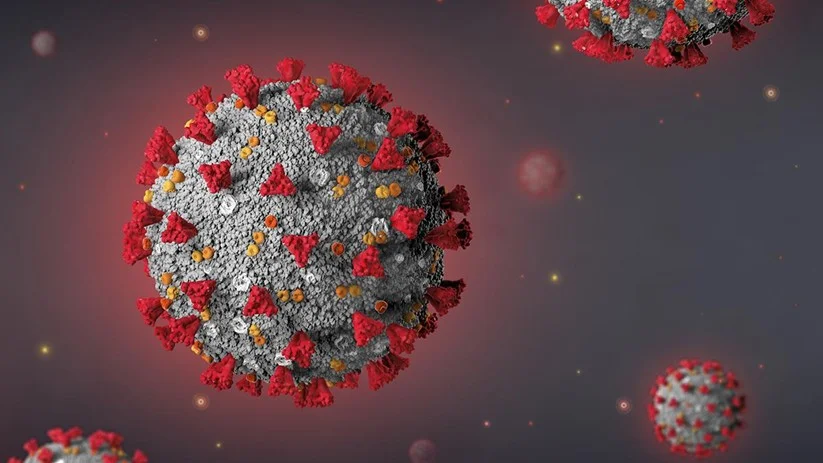
Spike Protein can be compared to a “biological key” that allows the virus to enter human cells. It binds to a receptor known as ACE2 (Angiotensin-Converting Enzyme 2), which is found in many vital organs, including the lungs, heart, blood vessels, intestines, and brain.
Due to this function, Spike Protein is not only the starting point of viral infection, but is also associated with potential complications affecting the circulatory system, nervous system, and chronic inflammatory responses.
Understanding Spike Protein is therefore critically important in both acute medical care and long-term health management (Preventive & Regenerative Medicine). This is especially relevant in the context of immune monitoring, Long COVID diagnosis, and the management of persistent vascular inflammation that may remain after infection.
Table of Contents
What Is Spike Protein?
Spike Protein (S-protein) is a spike-like protein located on the surface of the SARS-CoV-2 virus, which enables the virus to enter human cells.
Most vaccines, such as Pfizer, Moderna, and AstraZeneca, are developed based on this “simulated spike protein”, allowing the immune system to recognize and respond to the virus effectively.
How Does Spike Protein Affect the Body?
Beneficial Role of Spike Protein: A Key Tool for Building Immunity
One of the major medical advancements of this century is the development of mRNA vaccines (such as Pfizer and Moderna) and protein-based vaccines (such as Novavax). These vaccines use the genetic code of the Spike Protein, enabling the body to produce a limited amount of spike protein on its own.
This process helps stimulate the immune system without requiring exposure to the entire virus, allowing the body to build protection in a controlled and safe manner.
The Spike Protein produced from vaccination stimulates the formation of neutralizing antibodies and T-cell memory, which help reduce disease severity in case of future infection.
- Benefits: The immune system is trained in a controlled and safe manner without exposure to the actual virus.
- In general, vaccine-derived spike proteins are broken down within a few days and do not remain in the body.
Potential Effects of Spike Protein: During Natural Infection
Unlike spike protein generated from vaccination, spike protein associated with actual SARS-CoV-2 infection may have multiple effects on the body, particularly when the immune response is excessive or when spike protein persists longer than expected.
1. Acute Inflammatory Response (Cytokine Storm)
Spike Protein can stimulate immune cells to release cytokines such as IL-6 and TNF-α in large amounts. In some patients, this may lead to a cytokine storm, resulting in widespread inflammation that can affect the respiratory and cardiovascular systems.
2. Endothelial Damage
Research suggests that Spike Protein may damage endothelial cells, which line the inner walls of blood vessels. This may contribute to blood clot formation, increased risk of thrombosis, hypertension, and stroke.
3. Ability to Cross the Blood–Brain Barrier
In certain contexts, Spike Protein may cross the blood–brain barrier and has been associated with symptoms such as brain fog, depression, reduced concentration, and memory issues, which are commonly reported in individuals with Long COVID.
4. Chronic Inflammation and Long COVID
In some cases, Spike Protein or viral fragments may remain detectable in the body for an extended period, even after recovery. This may contribute to immune dysregulation, chronic fatigue, or autoimmune-related conditions.
What Is Spike Protein Antibody Testing? Can It Accurately Measure Post-Vaccination Immunity?
In today’s world, where COVID-19 has become more endemic yet new variants continue to emerge, many people are asking:
“Do I still have immunity?”
“When should I get a booster?”
“Are my antibodies effective against new variants?”
Spike Protein Antibody testing, also known as SARS-CoV-2 S IgG, is widely used by physicians worldwide as a safe and reliable method to assess immunity against COVID-19.
This test helps evaluate whether the body still maintains a protective level of immunity, especially in individuals who received vaccination several months ago or have had a previous infection but are unsure about their immune response.
Why Should You Check Your Spike Antibody Level?
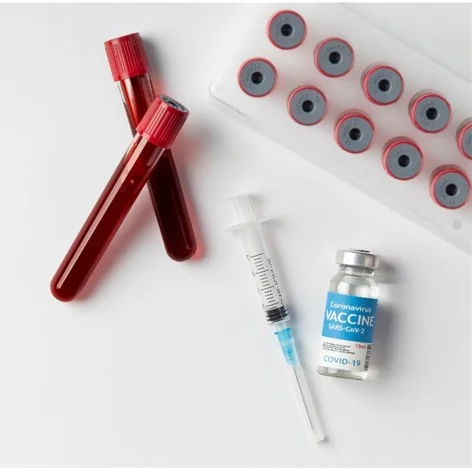
Spike Protein Antibody testing is a blood test that measures the level of IgG antibodies against the spike protein. The results can help determine:
- Your current level of COVID-19 immunity
- Whether your immunity is sufficient for protection
- Whether a booster dose may be recommended

What Do Spike Protein Antibody Test Results Indicate?
Spike Protein antibody levels are typically measured in BAU/mL (Binding Antibody Units).
In general, higher values indicate a stronger level of immune response, which may be associated with better protection. The World Health Organization (WHO) recommends the use of BAU/mL as a standardized unit, allowing results to be compared globally.
If antibody levels are below 50 BAU/mL, they are considered low, and a booster dose may be recommended.
Who Should Consider Spike Protein Antibody Testing?
Spike Antibody testing is suitable for anyone who wants a deeper understanding of their immune status, especially:
- Individuals who received vaccination more than 6 months ago and have not yet checked their antibody levels
- Those who suspect they may have had an asymptomatic infection
- Individuals with underlying conditions such as diabetes, hypertension, or weakened immunity
- Older adults who wish to plan their health more precisely
- Individuals who are traveling abroad or working in crowded environments
How Often Should You Check Spike Protein Antibody Levels?
For most individuals, testing every 6–12 months is generally sufficient. However, for those in higher-risk groups, physicians may recommend more frequent testing—particularly before or after receiving a booster vaccination.
Summary
Spike Protein Antibody testing is not just about measuring post-vaccination response—it serves as a “health map” that helps you better understand your body.
This insight allows for more personalized planning in terms of immune support, prevention strategies, and overall health management.
Because we believe that immunity is not just a number on a report, but a reflection of your personalized health profile, we offer Spike Protein Antibody testing with clear, easy-to-understand explanations by experienced physicians, along with holistic health planning based on preventive and regenerative medicine approaches.
Reference
Claire Rogers, James Thorp, Kirstin Cosgrove, Peter McCullough, 2024, “COVID-19 Vaccines: A Risk Factor for Cerebral Thrombotic Syndromes.” https://shorturl.asia/hYxZl