Many people are dealing with certain health concerns, such as poor sleep, constant fatigue, itchy rashes, allergies, or getting sick frequently, and may think these are only temporary issues. In reality, they may be signs of chronic inflammation gradually developing within the body, which may also be associated with NCDs, or non-communicable diseases. These conditions can affect long-term quality of life.
LINNA Clinic invites you to better understand what chronic inflammation is, what NCDs are, and which diseases are included in this group, along with EBOO PLUS Therapy — an innovative wellness therapy designed to support the body’s recovery, promote healthy blood circulation, and help restore internal balance. It is another option for proactive health care and supporting quality longevity from within.
Table of Contents
Understanding Chronic Inflammation and Its Long-Term Impact on Health
Chronic inflammation is a condition in which the body’s immune system is continuously activated over a long period of time and is unable to return to its normal balanced state. As a result, the body remains in a persistent state of inflammation, which may lead to various symptoms such as chronic fatigue, joint pain, muscle aches, frequent infections, and slower recovery after illness or physical exertion.
If chronic inflammation continues without proper care, it may cause damage to cells and internal organs over time. It can also be an underlying factor associated with the development of various NCDs, such as cancer, cardiovascular disease, type 2 diabetes, autoimmune diseases, Alzheimer’s disease, and depression.
Common Everyday Causes of Chronic Inflammation
Chronic inflammation in the body can be caused by several factors, including:
- Insufficient sleep or poor sleep quality
- Chronic stress
- Frequent consumption of inflammatory foods, such as foods high in sugar, trans fats, and processed foods
- Being overweight, having high blood lipid levels, or having elevated blood sugar levels
- Lack of physical activity and a sedentary lifestyle
- Smoking, alcohol consumption, or substance use
- Regular exposure to toxins and chemicals, such as pollution, dust, smoke, and heavy metals
Warning Signs Your Body May Be Experiencing Chronic Inflammation
Chronic inflammation may not show clear symptoms in the early stages, which can make many people unaware of it or mistake it for everyday fatigue. Over time, the symptoms may become more intense and occur more frequently, such as:
- Feeling easily tired or fatigued, even after getting enough rest
- Waking up feeling unrefreshed, not feeling fully rested, or experiencing poor sleep quality
- Frequent muscle aches or joint pain without a clear cause
- Slow recovery after physical exertion or during the recovery period
- Getting infections easily or having frequent fevers
- Frequent rashes, itching, allergies, or skin irritation
- Brain fog, poor concentration, or frequent mood swings
- Digestive imbalance, bloating, or irregular bowel movements
- Gaining weight easily, having difficulty losing weight, or increased fat accumulation
These symptoms cannot be used to directly diagnose chronic inflammation, but they are warning signs that should not be overlooked, especially in individuals with higher risk factors, such as those with underlying health conditions, excess weight, high blood lipid levels, elevated blood sugar, or high blood pressure. A comprehensive health assessment is recommended to identify the underlying causes and create an appropriate care plan.
What Are NCDs and Which Diseases Are Included?
NCDs, or Non-Communicable Diseases, are chronic diseases that are not caused by infection and cannot be directly transmitted from person to person. These conditions usually develop gradually over a long period of time, ranging from several months to many years. They are often caused by a combination of factors, including unhealthy lifestyle habits, genetics, environmental factors, and aging.
One of the main concerns with NCDs is that they often do not show clear symptoms in the early stages, until complications occur or important organs in the body begin to function abnormally. Common types of NCDs include:
- Cardiovascular diseases, such as high blood pressure, coronary artery disease, ischemic heart disease, heart failure, and stroke
- Diabetes, especially type 2 diabetes
- Abdominal obesity and metabolic syndrome, which are major risk factors that can increase the likelihood of developing other NCDs
- Certain types of cancer, such as lung cancer, breast cancer, stomach cancer, colorectal cancer, liver cancer, and cervical cancer
- Chronic respiratory diseases, such as chronic obstructive pulmonary disease (COPD), asthma, and emphysema
- Dementia and Alzheimer’s disease
What Is EBOO PLUS Therapy and How Can It Support Recovery from Chronic Inflammation in the Body?
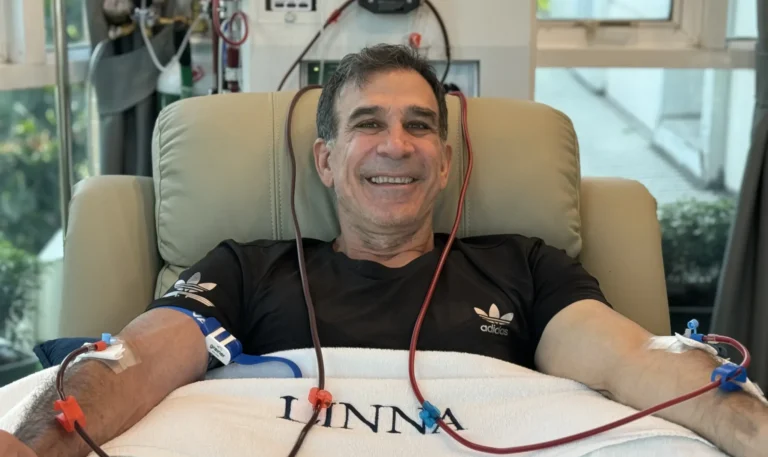
EBOO PLUS Therapy, or Extracorporeal Blood Oxygenation and Ozonation, is a wellness therapy under the Blood Detox category. It works by filtering and cleansing the blood through a specialized filter, combined with the infusion of medical-grade oxygen and ozone at an appropriate concentration, before continuously returning the blood back into the body.
This process may help support better blood circulation and assist the body’s natural recovery from chronic inflammation in multiple ways.
- Supports healthy blood circulation. The circulatory system is the main pathway that delivers oxygen and nutrients to the cells. When blood circulation functions well, it helps ensure that cells receive the essential substances needed for recovery and self-repair.
- Supports oxygen delivery to tissues and cells throughout the body. Oxygen plays an important role in cellular energy production, especially within the mitochondria, which are the main energy-producing centers of the cells. Supporting proper oxygen delivery may therefore help enhance cellular energy and promote overall recovery.
- Helps support immune balance by stimulating the response of white blood cells and the release of certain cytokines, which are involved in the body’s inflammatory processes and immune system function.
How Can EBOO PLUS Therapy Support NCDs?
EBOO PLUS Therapy may help support health care for individuals who are at risk of or living with NCDs by focusing on improving key factors associated with disease development, such as chronic inflammation, oxidative stress, and circulatory dysfunction. Through a closed-system blood cleansing process combined with medical-grade oxygen and ozone at an appropriate concentration, EBOO PLUS Therapy helps support blood circulation, oxygen and nutrient delivery to tissues, and overall internal balance.
According to a 2024 literature review in the field of musculoskeletal medicine, ozone therapy may help stimulate the body’s natural antioxidant system, reduce the production of certain pro-inflammatory substances, and help regulate oxidative stress, which may be a factor associated with the development of NCDs. In addition, it may also help support blood circulation and improve oxygen delivery to various tissues. (Jeyaraman et al., 2024)
This is consistent with a 2025 literature review that gathered data from several clinical studies and found that ozone therapy may help reduce oxidative stress and support the body’s antioxidant system in certain groups of patients. (Alimohammadi et al., 2025)
In addition, a cohort study involving 28 patients with peripheral artery disease found that the group receiving EBOO showed improvements in several aspects of the condition, including skin wound recovery, pain, itching, the sensation of heavy legs, and overall quality of life, when compared with the group receiving intravenous prostacyclin therapy. However, the researchers did not find a clear difference in arterial blood flow in the legs, suggesting that the observed improvements may also be related to other mechanisms. (Di Paolo et al., 2005)
However, it is important to understand that EBOO PLUS Therapy is a supportive wellness therapy designed to help restore the body’s natural functions. It is not a direct treatment for NCDs and should not replace standard medical treatment. Individuals with chronic inflammation or those who have been diagnosed with NCDs should consult a doctor to assess their health risks and create a personalized recovery plan.
How Many EBOO PLUS Therapy Sessions Are Recommended for Proper Chronic Inflammation Care?
In general, doctors may recommend EBOO PLUS Therapy approximately once a week for 4–5 consecutive sessions to help support the body’s recovery and provide more comprehensive care for chronic inflammation. After that, follow-up sessions may be considered every 3–4 months, or as appropriate for each individual case.
However, results may vary from person to person depending on several factors, such as overall health condition, level of inflammation, lifestyle habits, and post-treatment self-care.
What Can You Expect to Feel After EBOO PLUS Therapy?
Results after EBOO PLUS Therapy may vary from person to person. Some individuals may begin to notice changes after the first session, while others may require several sessions before experiencing more noticeable results. Possible changes that clients may feel after the therapy include:
- Feeling refreshed, energized, and lighter in the body
- Breathing more comfortably and freely
- Sleeping better with reduced fatigue
- Feeling mentally clearer with improved focus and concentration
- Improved overall recovery
- Reduced muscle aches, stiffness, or tension in different areas of the body
How to Prepare Before EBOO PLUS Therapy
Before undergoing EBOO PLUS Therapy, it is important to prepare the body properly to help ensure that the process is carried out safely and appropriately. The following recommendations should be followed:
- Undergo a health assessment with a doctor to review your medical history, perform a physical examination, and determine individual suitability before receiving the therapy.
- Inform the doctor in detail about any underlying medical conditions, treatment history, current medications, and any history of allergies to medications or other substances.
- Get enough rest, aim for at least 6–8 hours of sleep, and avoid strenuous activities before the therapy.
- Drink enough water to help support healthy blood circulation.
- Avoid drinking alcohol for at least 24–48 hours before the therapy.
- Avoid taking vitamin C for 1 day before the therapy, as it may reduce the effectiveness of EBOO Therapy. You may resume taking vitamin C as usual 24 hours after the treatment.
- If you have a fever, feel unwell, or have an acute infection, you should postpone the appointment until you have fully recovered.
Should EBOO PLUS Therapy Be Combined with Vitamin Drips, Exosome IV, or Stem Cell Therapy? How to Choose the Right Option?
EBOO PLUS Therapy can be planned together with other wellness recovery programs, such as Vitamin Drips, Exosome IV, or Stem Cell Therapy, depending on each individual’s overall health condition and recovery goals. Each treatment has a different purpose and works in a different way.
- Vitamin Drips involve the intravenous infusion of vitamins, minerals, and essential nutrients, allowing the body to receive nutrients directly into the bloodstream. This option is suitable for individuals who do not get enough rest, feel fatigued, have inadequate nutrient intake, or require additional nutritional support based on a doctor’s assessment.
- Exosome IV is a technique that delivers exosomes directly into the body through intravenous infusion. It helps support cellular repair and regeneration, reduce inflammation, and enhance energy levels. This option is suitable for individuals with injuries, chronic inflammation, or those who wish to support recovery after illness or surgery.
- Stem Cell Therapy is a regenerative treatment that uses stem cells derived from the human body to help repair damaged tissues and cells, supporting them in functioning more effectively. This option is suitable for individuals who are looking for holistic health restoration, those experiencing age-related decline, or those whose bodies have begun to deteriorate with age.
After EBOO PLUS Therapy, which helps support blood circulation, increase oxygen delivery to the cells, and reduce the burden of certain waste substances in the bloodstream, the doctor may consider Vitamin Drips to replenish essential vitamins and nutrients. Exosome IV or Stem Cell Therapy may also be recommended in cases where deeper cellular-level support is needed. The doctor will assess and design the most appropriate recovery plan, including the sequence and timing between each program, based on the individual’s overall health condition and wellness goals.
Summary
Chronic inflammation is a silent health concern that may affect long-term well-being and is one of the factors that may be associated with an increased risk of various NCDs, such as cardiovascular disease, diabetes, obesity, chronic respiratory diseases, and other chronic conditions.
Therefore, health care should begin with reducing inflammation-triggering factors, improving lifestyle habits, getting enough rest, choosing a balanced diet, exercising regularly, and undergoing routine health checkups.
EBOO PLUS Therapy is another medical innovation that helps support the body’s recovery from within. It supports healthy blood circulation, increases oxygen delivery to the cells, helps reduce the burden of certain waste substances in the bloodstream, and promotes internal balance. This therapy is suitable for individuals experiencing chronic fatigue, slow recovery, accumulated inflammation risk factors, or those seeking preventive health care to support quality longevity.
If you are interested in caring for your health from within and reducing the risk of chronic inflammation and NCDs, you can consult with the medical team at LINNA Clinic for a comprehensive health assessment and a personalized EBOO PLUS Therapy recovery plan.
For more information, please contact LINNA Clinic at 063-609-8888, WhatsApp +66 919799554, or LINE: @linnaclinic.
References
- Jeyaraman, M., Jeyaraman, N., Ramasubramanian, S., Balaji, S., Nallakumarasamy, A., Patro, B. P., & Migliorini, F. (2024). Ozone therapy in musculoskeletal medicine: A comprehensive review. European Journal of Medical Research, 29(1), 398. https://doi.org/10.1186/s40001-024-01976-4
- Alimohammadi, M., Khoshnazar, S. M., Khajehpour, H., Izadi, M., Einollahi, B., & Hushmandi, K. (2025). Effect of ozone therapy on oxidative stress indices in chronic inflammatory diseases: A systematic review and meta-analysis of randomized clinical trials. Advances in Redox Research, 17, https://doi.org/10.1016/j.arres.2025.100143
- Di Paolo, N., Bocci, V., Salvo, D. P., Palasciano, G., Biagioli, M., Meini, S., Galli, F., Ciari, I., Maccari, F., Cappelletti, F., Di Paolo, M., & Gaggiotti, E. (2005). Extracorporeal blood oxygenation and ozonation (EBOO): A controlled trial in patients with peripheral artery disease. The International Journal of Artificial Organs, 28(10), 1039–1050. https://doi.org/10.1177/039139880502801012