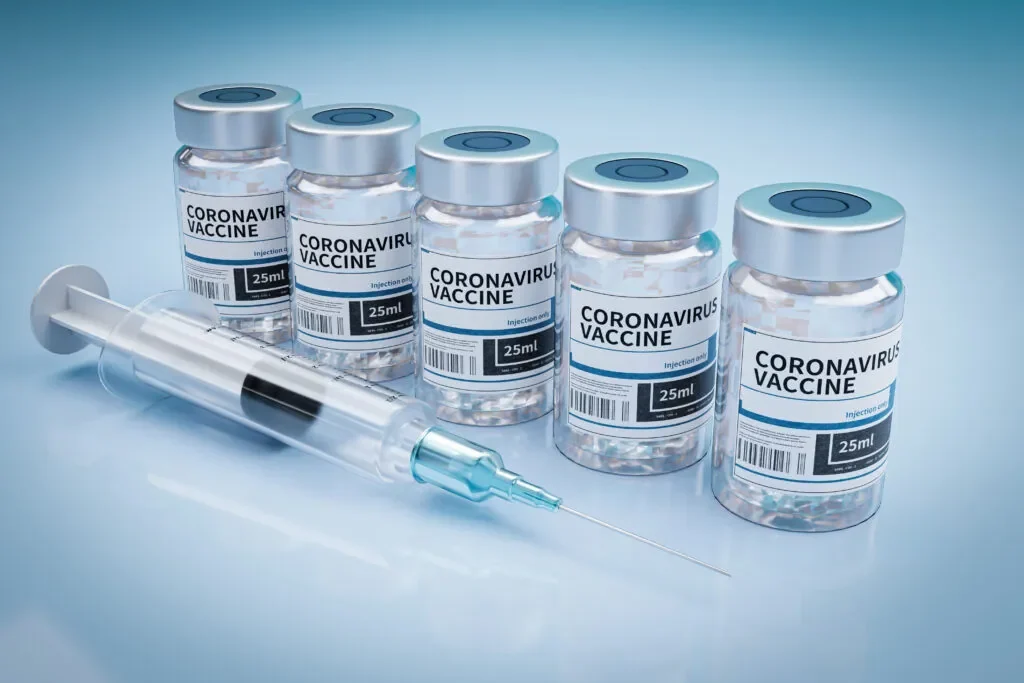
ตั้งแต่การระบาดของโรคติดเชื้อไวรัสโคโรนา 2019 (COVID-19) เริ่มขึ้นในปลายปี 2019 คำว่า “Spike Protein” ได้กลายเป็นหนึ่งในคำศัพท์สำคัญทางการแพทย์และชีววิทยาที่ปรากฏในงานวิจัยระดับโลกนับพันฉบับ และเป็นหัวใจสำคัญของทั้ง “ กลไกการติดเชื้อของไวรัส SARS-CoV-2 และ พื้นฐานการพัฒนาวัคซีนในยุคใหม่”
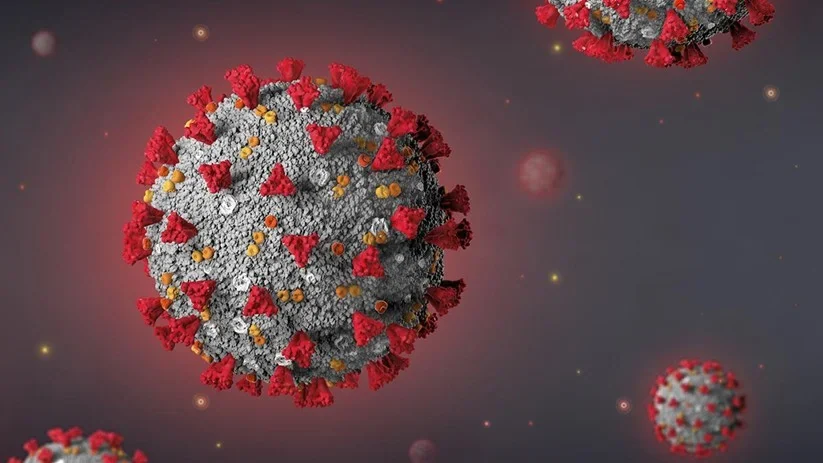
Spike Protein เปรียบเสมือน “กุญแจชีวภาพ” ที่ช่วยให้ไวรัสสามารถเปิดประตูเข้าสู่เซลล์ของมนุษย์ โดยจับกับตัวรับที่เรียกว่า ACE2 (Angiotensin-Converting Enzyme 2) ซึ่งพบได้ในหลายอวัยวะสำคัญ เช่น ปอด หัวใจ หลอดเลือด ลำไส้ และสมอง ด้วยความสามารถนี้ Spike Protein จึงไม่เพียงเป็นจุดเริ่มต้นของการติดเชื้อเท่านั้น แต่ยังเกี่ยวข้องกับอาการแทรกซ้อนรุนแรง ทั้งในระบบไหลเวียนโลหิต ระบบประสาท และการอักเสบแบบเรื้อรัง
ความเข้าใจเกี่ยวกับ Spike Protein จึงมีความสำคัญอย่างยิ่งทั้งในมิติการแพทย์เฉียบพลัน (Acute Medicine) และการดูแลสุขภาพในระยะยาว (Preventive & Regenerative Medicine) โดยเฉพาะอย่างยิ่งในบริบทของการตรวจภูมิคุ้มกัน การวินิจฉัย Long COVID และการฟื้นฟูภาวะหลอดเลือดอักเสบเรื้อรังที่อาจหลงเหลือหลังการติดเชื้อ
Spike Protein คืออะไร?
Spike Protein (S-protein) คือโปรตีนหนามที่อยู่บนผิวของไวรัส SARS-CoV-2 ซึ่งใช้เจาะเข้าสู่เซลล์มนุษย์
วัคซีนส่วนใหญ่ เช่น Pfizer, Moderna, AstraZeneca จึงพัฒนาจาก “โปรตีนหนามจำลอง” นี้ เพื่อกระตุ้นภูมิคุ้มกันให้ร่างกายจดจำและป้องกันการติดเชื้อ
Spike Protein มีผลต่อร่างกายเราอย่างไร?
ผลดีของ Spike Protein: เป็นเครื่องมือสำคัญในการสร้างภูมิคุ้มกัน
หนึ่งในความก้าวหน้าทางการแพทย์ที่สำคัญของศตวรรษนี้คือการพัฒนาวัคซีนชนิด mRNA (เช่น Pfizer, Moderna) และวัคซีนโปรตีนลูกผสม (เช่น Novavax) ซึ่งใช้รหัสพันธุกรรมของ Spike Protein เพื่อให้ร่างกายสามารถสร้าง Spike Protein ขึ้นเองในปริมาณจำกัด และกระตุ้นระบบภูมิคุ้มกันโดยไม่ต้องสัมผัสกับไวรัสทั้งตัว
Spike Protein ที่ผลิตจากวัคซีนจะกระตุ้นให้เกิดการสร้าง neutralizing antibodies และ T cell memory ซึ่งช่วยลดความรุนแรงของโรคหากมีการติดเชื้อในอนาคต
- ผลดีคือ ร่างกายได้ฝึกระบบภูมิคุ้มกันอย่างปลอดภัย ไม่มีเชื้อไวรัสจริง
- Spike จากวัคซีนจะสลายตัวภายในเวลาไม่กี่วัน ไม่ตกค้างในระบบ
ผลเสียของ Spike Protein: เมื่อไวรัสเข้าสู่ร่างกายจริง
ต่างจาก Spike Protein ที่สร้างจากวัคซีน Spike ที่มาพร้อมกับการติดเชื้อ SARS-CoV-2 จริงอาจมีผลกระทบต่อร่างกายหลายประการ โดยเฉพาะหากระบบภูมิคุ้มกันตอบสนองอย่างรุนแรงหรือมี Spikeตกค้างอยู่นานกว่าปกติ
1. การกระตุ้นการอักเสบเฉียบพลัน (Cytokine Storm)
Spike Protein สามารถกระตุ้นเซลล์ภูมิคุ้มกันให้หลั่ง cytokines เช่น IL-6, TNF-α อย่างรุนแรง ซึ่งในผู้ป่วยบางรายอาจนำไปสู่ภาวะ cytokine storm ทำให้เกิดการอักเสบทั่วร่างกาย ส่งผลต่อระบบทางเดินหายใจและหัวใจ
2. ทำลายเซลล์บุผนังหลอดเลือด (Endothelial Damage)
มีงานวิจัยที่ชี้ว่า Spike Protein อาจทำลายเซลล์ endothelium ซึ่งบุด้านในของหลอดเลือด → เกิดการแข็งตัวของเลือด, เสี่ยงลิ่มเลือดอุดตัน, ความดันสูง และ stroke
3. มีความสามารถทะลุแนวกั้นเลือดสมอง (Blood-Brain Barrier)
Spike Protein ในบางบริบทอาจสามารถเข้าสู่สมองได้ และมีความเกี่ยวข้องกับอาการ brain fog, ซึมเศร้า, สมาธิสั้น หรือปัญหาด้านความจำ ที่พบได้ในผู้ที่มีอาการ Long COVID
4. กระตุ้นภาวะอักเสบเรื้อรัง และ Long COVID
ในบางกรณี Spike Protein หรือเศษชิ้นส่วนของไวรัสยังคงตรวจพบในร่างกายเป็นเวลานาน แม้ผู้ป่วยจะหายดีแล้วก็ตาม ส่งผลให้เกิด ระบบภูมิคุ้มกันผิดปกติ อ่อนเพลียเรื้อรัง หรือแม้แต่โรคแพ้ภูมิตัวเอง (autoimmune)
การตรวจ Spike Protein Antibody Level คืออะไร? วัดภูมิคุ้มกันโควิดหลังฉีดวัคซีนได้จริงไหม?
ในยุคที่โควิด-19 กลายเป็น “โรคประจำถิ่น” แต่ยังมีสายพันธุ์ใหม่เกิดขึ้นตลอด คำถามที่หลายคนอยากรู้คือ…
“ ภูมิคุ้มกันของเรายังอยู่ไหม?” “ ควรฉีดกระตุ้นเพิ่มเมื่อไหร่?” “ แอนติบอดีที่มี ป้องกันเชื้อกลายพันธุ์ได้หรือเปล่า?”
การ ตรวจ Spike Protein Antibody Level หรือบางแห่งเรียกว่า SARS-CoV-2 S IgG จึงเป็นวิธีที่แพทย์ทั่วโลกใช้เพื่อ ประเมินระดับภูมิคุ้มกันต่อไวรัสโควิด-19 ได้อย่างแม่นยำและปลอดภัย ในการประเมินว่า
ร่างกายยังมีภูมิคุ้มกันโควิด-19 อยู่ในระดับที่ป้องกันโรคได้หรือไม่ โดยเฉพาะหลังฉีดวัคซีนมาแล้วหลายเดือน หรือเคยติดเชื้อแต่ไม่แน่ใจว่าร่างกายตอบสนอง
ทำไมถึงควรตรวจ Spike Antibody Level
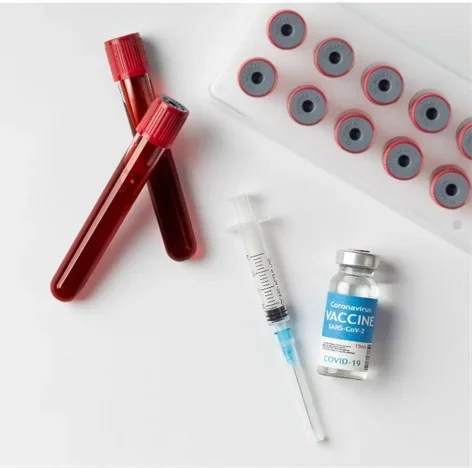
การตรวจ Spike Protein Antibody Level เป็นการเจาะเลือดเพื่อวัดระดับ IgG Antibody ต่อต้านโปรตีนหนาม โดยผลลัพธ์ที่ได้จะบอกว่า:
- คุณมีภูมิคุ้มกันโควิดในระดับใด
- ภูมินั้นเพียงพอสำหรับป้องกันการติดเชื้อหรือไม่
- ควรฉีด Booster เข็มกระตุ้นหรือไม่

ค่าผลตรวจ Spike Protein Antibody Level บอกอะไรได้บ้าง?
ค่าผลของ Spike Protein Level โดยทั่วไปจะถูกวัดในหน่วย BAU/mL (Binding Antibody Units)
ยิ่งค่าสูง หมายความว่าร่างกายมีภูมิคุ้มกันอยู่ในระดับที่อาจป้องกันโรคได้ดีกว่า องค์การอนามัยโลก (WHO) ได้เสนอให้ใช้หน่วย BAU/mL เป็นมาตรฐานสากล ซึ่งช่วยให้ผลตรวจสามารถเทียบกันได้ทั่วโลก หากค่าภูมิของคุณน้อยกว่า 50 BAU/mL ถือว่าอยู่ในระดับต่ำ และอาจต้องฉีด Booster เพิ่มเติม
การตรวจ Spike Protein Antibody Level เหมาะกับใคร?
การตรวจ Spike Antibody Level เหมาะกับทุกคนที่ต้องการรู้จักร่างกายตัวเองให้ลึกขึ้น โดยเฉพาะ:
- ผู้ที่ฉีดวัคซีนมาแล้วเกิน 6 เดือน และยังไม่เคยตรวจภูมิ
- ผู้ที่สงสัยว่าเคยติดเชื้อแบบไม่แสดงอาการ
- ผู้ที่มีโรคประจำตัว เช่น เบาหวาน ความดัน ภูมิคุ้มกันต่ำ
- ผู้สูงอายุที่ต้องการวางแผนสุขภาพอย่างแม่นยำ
- ผู้ที่จะเดินทางไปต่างประเทศ หรือทำงานในที่แออัด
Spike Protein Antibody Level ต้องตรวจบ่อยแค่ไหน?
ในคนทั่วไป การตรวจทุก 6–12 เดือนถือว่าเพียงพอ แต่หากคุณอยู่ในกลุ่มเสี่ยง แพทย์อาจแนะนำให้ตรวจถี่ขึ้น โดยเฉพาะก่อนหรือหลังฉีดวัคซีนเข็มกระตุ้น
สรุป
การตรวจ Spike Protein Antibody ไม่ใช่แค่การวัดผลหลังฉีดวัคซีน แต่คือ “แผนที่สุขภาพ” ที่จะช่วยให้คุณเข้าใจร่างกายของตัวเองอย่างแท้จริง เพื่อวางแผนการดูแล–เสริมภูมิ–ป้องกันโรค ได้อย่างตรงจุด เพราะเราเชื่อว่า “ ภูมิคุ้มกันไม่ใช่แค่ค่าบนกระดาษ แต่คือแผนสุขภาพเฉพาะตัวของคุณ”
เราจึงให้บริการตรวจ Spike Protein Antibody พร้อมคำอธิบายแบบเข้าใจง่าย โดยแพทย์มากประสบการณ์
พร้อมวางแผนเสริมภูมิ–เสริมสุขภาพ แบบองค์รวมในแนวทางเวชศาสตร์ชะลอวัย
Reference
Claire Rogers, James Thorp, Kirstin Cosgrove, Peter McCullough, 2024, “COVID-19 Vaccines: A Risk Factor for Cerebral Thrombotic Syndromes.” https://shorturl.asia/hYxZl
บทความนี้เรียบเรียงและตรวจสอบโดยทีมแพทย์ของ LINNA Clinic
สนใจโปรแกรมนี้ หรือต้องการคำแนะนำเฉพาะบุคคล?
ทีม LINNA Clinic พร้อมให้คำแนะนำเพื่อเลือกโปรแกรมที่เหมาะสมกับคุณ