The nervous system is one of the body’s most vital systems. Its primary role is to regulate and coordinate the functions of various organs and body systems, helping maintain balance and ensuring that they function normally.
However, the nervous system can be affected by many factors, including ageing, unhealthy lifestyle habits, nerve injuries caused by accidents, and certain neurological diseases. These conditions may impair bodily functions and reduce overall quality of life.
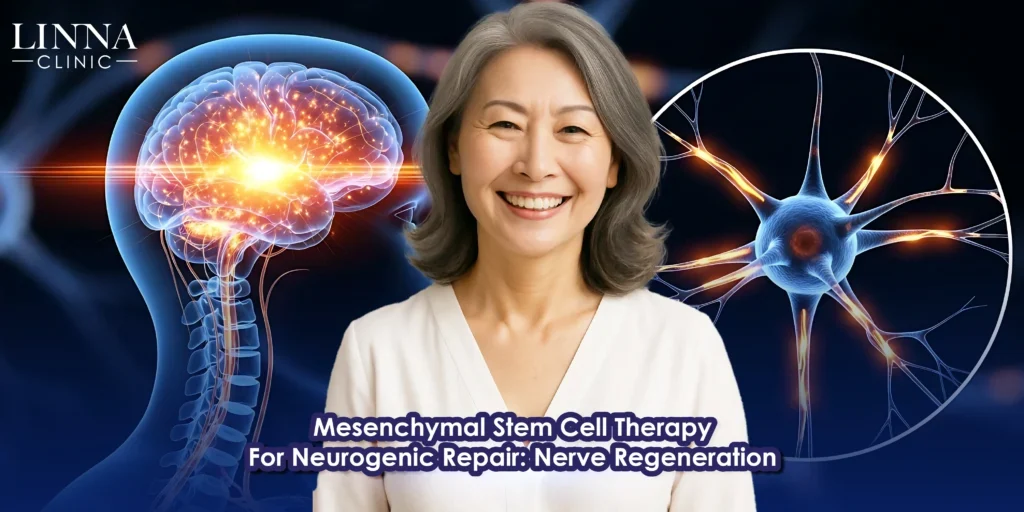
Today, medical innovations have been developed to support the repair and recovery of the nervous system and help improve its function. One such approach involves Neurogenic MSCs, mesenchymal stem cells with neurogenic characteristics, which are intended to help create a supportive environment for nervous system recovery, potentially reduce disease severity, and help slow long-term neurological degeneration.
What Is Neurogenic MSC?
Neurogenic MSC refers to Mesenchymal Stem Cells (MSCs) that have been stimulated or induced to develop characteristics associated with cells of the nervous system, such as neurons. Neurons are the principal cells of the nervous system and are responsible for receiving and transmitting nerve signals through neural networks to different parts of the body. They play essential roles in controlling movement, sensation, cognition, analytical thinking, emotions, and the functions of various organs.
Research has shown that Mesenchymal Stem Cells (MSCs) derived from human Wharton’s jelly possess neurogenic potential, meaning they have the potential to develop toward neural cell lineages. When induced using a two-dimensional (2D) culture system, researchers were able to obtain relatively stable and homogeneous cell populations, suggesting that these cells may have potential applications in regenerative medicine.
However, further studies are still required in several areas, including the electrophysiological properties of the resulting cells and their ability to fully differentiate into mature, terminally differentiated neural cells. Additional research is therefore necessary to further establish their efficacy and safety before broader clinical application (Kruminis-Kaszkiel et al., 2020).
How Do the Properties of Neurogenic MSCs Support Nerve Regeneration?
Neurogenic MSCs have several properties that may help support the recovery and regeneration of the nervous system, including:
- May help reduce inflammation and neuronal cell death by releasing certain bioactive substances that can help regulate inflammatory responses. This may help reduce damage to nerve cells and surrounding tissues while supporting the balance and integrity of the nervous system.
- May support nerve cell repair and regeneration by creating a biological environment that is favorable for the repair and regeneration of damaged nerves. They may also support the repair of the myelin sheath, which plays an essential role in nerve impulse transmission and overall nervous system function.
- May promote the formation of new blood vessels to support increased blood flow and oxygen delivery to nervous system tissues.
- May support cell-to-cell communication through the release of signaling molecules such as exosomes and growth factors, which help neighboring cells communicate and work together.
- May support recovery from neurological degeneration and injury by potentially helping reduce disease severity and supporting the recovery of symptoms associated with neurodegenerative conditions and nervous system injuries.
Who Is Neurogenic MSC Suitable For?
Neurogenic MSC may be suitable for individuals who are looking to support nervous system recovery and help preserve nerve cells affected by degeneration, including:
- Individuals with impaired nervous system function or reduced natural regenerative capacity of the nervous system.
- Individuals experiencing age-related nerve degeneration.
- Individuals experiencing headaches or pain associated with previous injuries or accidents.
- Individuals with neurological conditions associated with nerve degeneration, such as Parkinson’s disease, partial paralysis (paresis), numbness, or muscle weakness.
- Individuals who require medical support for conditions associated with neuroinflammation.
- Individuals considered at risk of stroke or Alzheimer’s disease.
However, anyone interested in Neurogenic MSC should undergo a thorough medical evaluation to determine whether this approach is appropriate for their individual condition.
Benefits of Neurogenic MSC
- Current clinical studies suggest that Mesenchymal Stem Cells (MSCs) may play a role in supporting neurological recovery by helping reduce inflammation and promoting tissue-repair processes in certain patient groups, such as those with stroke, spinal cord injury, and amyotrophic lateral sclerosis (ALS). However, most of the available evidence remains at an early stage, and further long-term studies are still required (Hernández et al., 2020).
- May support nerve regeneration, help reduce inflammation and cell death, and support neuronal function.
- Neurogenic MSCs derived from umbilical cord tissue can be collected without an invasive procedure for the donor. These relatively young cells have a strong capacity for proliferation and tissue-repair support and are generally considered to have low immunogenicity, which may reduce the likelihood of triggering an immune response in the recipient.
- May have the potential to contribute to cell replacement and support neural tissue in areas of the nervous system, including through mechanisms relevant to the blood-brain barrier (BBB).
- Neurogenic MSC may be used alongside standard treatments under a physician’s discretion to further support nervous system recovery.
- Neurogenic MSC-based approaches may be more affordable compared with the use of Neural Stem Cells obtained from donor brain or spinal cord tissue.
Limitations of Neurogenic MSC
- Individual responses to Neurogenic MSC and treatment outcomes may vary depending on factors such as age, severity of symptoms, and the patient’s underlying health condition. A medical consultation and individual assessment are therefore recommended before making a treatment decision.
- Neurogenic MSC involves processes that require strict quality control at every stage. Treatment should therefore be provided by a licensed medical facility or clinic that meets appropriate standards and is supervised by physicians with relevant experience.
- The quality of the cells used may vary depending on several factors, including the tissue source, culture process, culture medium, and the number of cell culture passages (Passage). Patients should therefore review the details and quality standards of the treatment thoroughly before proceeding.
- Neurogenic MSC may cause certain side effects, such as pain or swelling at the administration site, mild fever, or temporary discomfort. In general, these symptoms are usually temporary and may resolve on their own.
- Neurogenic MSC is only one supportive option for promoting nervous system recovery and cannot replace standard medical treatment. It should be considered alongside other medical approaches, such as the identification of early biomarkers, pharmacological treatment, and individualized rehabilitation plans tailored to each patient’s condition (Sancho-Bielsa, 2021).
How Often Should Neurogenic MSC Be Administered?
The recommended frequency of Neurogenic MSC may vary from person to person. A doctor will consider several factors, including age, overall health status, the severity of neurological symptoms, and each individual’s rehabilitation goals. In general, the cells are commonly administered intravenously (IV Drip), with the number of cells determined according to body weight per kilogram or the patient’s available budget.
- For children in general, children with autism, and children with ADHD: Neurogenic MSC at 3–0.5 million cells/kg every 3–6 months, or administered together with UMSCs at 1 million cells/kg every 6 months, with follow-up appointments every 3 months.
- For adults or older adults seeking nervous system rehabilitation: Neurogenic MSC at 3–0.5 million cells/kg every 6 months, or UMSCs at 1 million cells/kg + Neurogenic MSC at 20–50 million cells/kg (or according to the patient’s budget) every 6 months, with follow-up assessments every 3 months.
- For individuals with Alzheimer’s-related dementia: Neurogenic MSC at 3–0.5 million cells/kg every 6 months, or administered together with UMSCs at 1 million cells/kg every 6 months, with follow-up assessments every 3 months.
- For individuals with conditions related to stroke or coronary artery disease: Neurogenic MSC at approximately 0.3–0.5 million cells/kg + Vasculogenic MSC at 3–0.5 million cells/kg. Doctors may recommend beginning supportive treatment during the Golden Period, or within the first 3 months after symptom onset, with repeat treatment every 3–6 months where appropriate.
These protocols should be carried out under a doctor’s supervision, with suitability assessed individually according to each patient’s condition.
How to Take Care of Yourself After Receiving Neurogenic MSC
Self-care after receiving Neurogenic MSC is an important part of supporting the recovery process and overall treatment outcomes. General recommendations include:
- Get adequate rest to support the body’s recovery.
- Avoid strenuous physical activity and intense exercise for at least the first 12 hours.
- Avoid hot compresses, saunas, or heat-based treatments around the area where the cells were administered.
- Protect the treated area from injury, wounds, or strong impact for at least 2 weeks.
- Avoid smoking and alcohol for at least 3–4 weeks.
- Drink enough water and maintain a balanced, nutritious diet.
- Follow your doctor’s instructions carefully and attend all scheduled follow-up appointments. If any unusual symptoms occur, contact your doctor promptly.
Summary
Neurogenic MSC is one of the innovations in regenerative medicine. It involves the use of Mesenchymal Stem Cells (MSCs) derived from umbilical cord tissue that undergo an induction process to develop neurogenic characteristics. These cells may help support the repair of nervous system tissues, potentially reduce the severity of certain neurological conditions, and help slow the progression of nervous system degeneration.
Neurogenic MSC may be suitable for individuals seeking to support nervous system recovery and preserve nerve cells affected by degeneration. However, the use of Neurogenic MSC should always be carried out under the assessment and supervision of an experienced physician. The appropriate type of cells, dosage, and treatment frequency should be determined individually, with ongoing follow-up to ensure that care is provided safely and is appropriate for each patient’s physical condition.
If you are interested in supporting your health and nervous system function with Stem Cell MSC or Neurogenic MSC, you can consult the medical team at LINNA Clinic for an individualized assessment and personalized health plan.
Contact: 063-609-8888 WhatsApp: +66 91 979 9554 LINE: @linnaclinic
References
- Kruminis-Kaszkiel, E., Osowski, A., Bejer-Oleńska, E., Dziekoński, M., & Wojtkiewicz, J. (2020). Differentiation of human mesenchymal stem cells from Wharton’s jelly towards neural stem cells using a feasible and repeatable protocol. Cells, 9(3), 739. https://doi.org/10.3390/cells9030739
- Hernández, R., Jiménez-Luna, C., Perales-Adán, J., Perazzoli, G., Melguizo, C., & Prados, J. (2020). Differentiation of human mesenchymal stem cells towards neuronal lineage: Clinical trials in nervous system disorders. Biomolecules & Therapeutics, 28(1), 34–44. https://doi.org/10.4062/biomolther.2019.065
- Sancho-Bielsa, F. J. (2022). Parkinson’s disease: Present and future of cell therapy. Neurology Perspectives, 2, S58–S68. https://doi.org/10.1016/j.neurop.2021.07.006
This article has been prepared and reviewed by the LINNA Clinic medical team.
Interested in this program or need personalised advice?
The LINNA Clinic team is ready to help you choose the program that suits you best.