
 Heavy Metals in Vegetables and Their Potential Health Risks
Which Heavy Metals Can Be Found in Vegetables?
Vegetables are important sources of vitamins, minerals, and fiber. However, some vegetables grown in contaminated soil or water, or exposed to agricultural chemicals, may retain heavy metals in quantities that can be harmful to health. Heavy metals commonly detected in vegetables include:
- Lead
- Cadmium
- Mercury
- Aluminum
- Arsenic
- Chromium
- Nickel
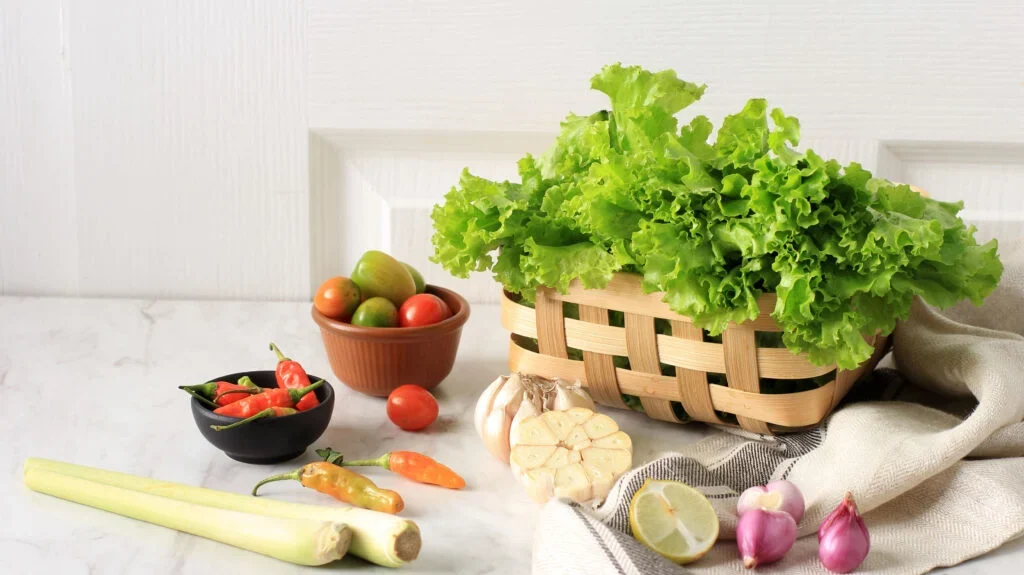
A study of heavy-metal levels in Thai kitchen-garden vegetables conducted during 2016–2017 (1) randomly collected six types of vegetables: galangal, sweet potato, climbing wattle, field morning glory, bird's-eye chili, and Thai eggplant. Samples were obtained from agricultural areas in four regions where no gold-mining activities took place. The study found that most vegetables accumulated arsenic and cadmium at levels that did not exceed legally established safety standards. However, some samples collected during the rainy season contained cadmium above the threshold. Manganese levels differed according to the type of vegetable, with the highest amount detected in galangal.
Another study by Pannipa and Piyada in 2021 (2) examined heavy-metal contamination in soil from commercial vegetable-production areas in Phitsanulok Province. Soil samples were collected from 55 plots producing lettuce, Chinese flowering cabbage, morning glory, kale, spring onions, and culantro. Heavy-metal contamination was detected in the soil. Iron levels were particularly notable, with average values exceeding the specified standard. Zinc, copper, and lead remained below the standard limits.
Although heavy-metal contamination detected in many vegetables or agricultural areas does not exceed legal limits, continuously consuming potentially contaminated vegetables over a long period may cause these substances to accumulate in the body and affect long-term health.
 Heavy Metals in Vegetables and Their Potential Health Risks
Sources of Heavy Metals in Vegetables
Heavy-metal residues in vegetables may originate from several factors:
- Chemical fertilizers and pesticides that contain heavy metals.
- Unregulated organic fertilizers or fertilizers obtained from unsuitable sources that may be contaminated with heavy metals.
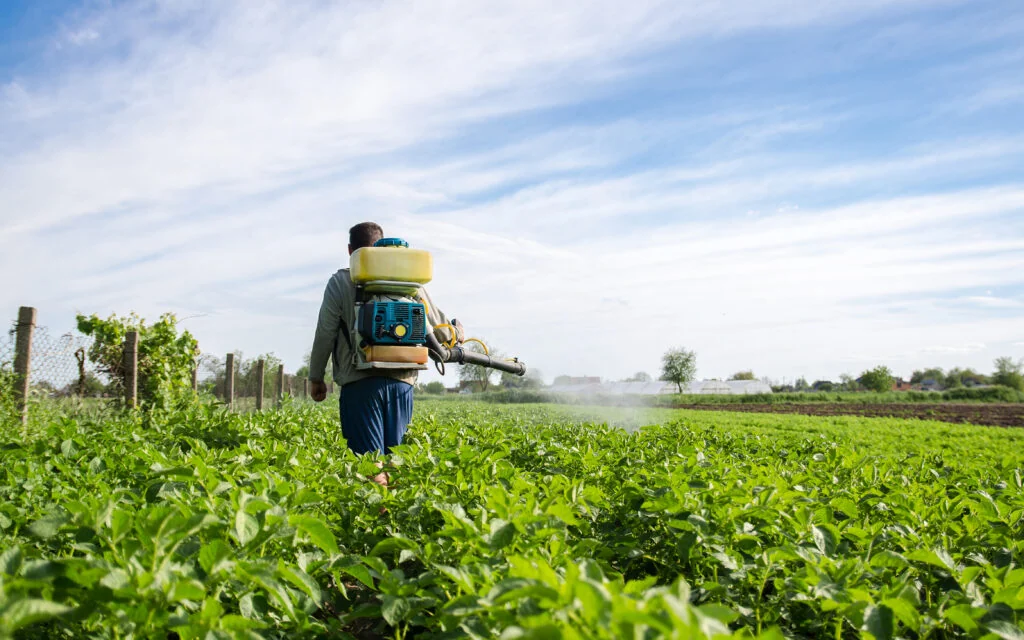
- Agricultural areas located near unsafe environments such as industrial factories, waste incinerators, mines, public waterways receiving household wastewater and waste from other activities, or heavily congested roads. Heavy metals may contaminate the soil, water, and air.
- Substandard containers or cultivation materials, such as unsuitable bags, pots, or recycled materials, from which vegetables may absorb heavy metals.
Health Effects of Eating Vegetables Contaminated with Heavy Metals
 Heavy Metals in Vegetables and Their Potential Health Risks
The health effects of consuming vegetables contaminated with heavy metals can be divided into acute and chronic effects. The outcome depends on the type and quantity of heavy metal and how long it accumulates in each person.
Acute Effects
If a person receives a large quantity of heavy metals within a short period, immediate symptoms may occur, including:
- Gastrointestinal irritation.
- Nausea and vomiting.
- Abdominal pain and diarrhea.
- Skin rashes.
- Respiratory failure or difficulty breathing.
- Abnormal blood pressure.
- Weakness.
- Acute kidney failure.
- Seizures.
A person experiencing these symptoms must be taken to a hospital urgently.
Chronic Effects
Chronic effects may develop when small quantities of heavy metals are received continuously and accumulate over several weeks or years. Symptoms vary according to the type of metal:
- Lead: Cognitive decline, worsening memory, delayed development or lower IQ in young children, and kidney deterioration.
- Cadmium: Reduced bone mass, osteoporosis, high blood pressure, and declining kidney function.
- Mercury: Nervous-system deterioration, behavioral changes, muscle weakness, brain fatigue, and hand tremors.
- Arsenic: Weakened immunity, frequent illness, and an increased risk of diabetes and cancers of the skin, lungs, bladder, and liver.
- Chromium: Abnormal immune function, reproductive and pregnancy-related problems, infertility, delayed fetal development, and an increased risk of bladder, liver, and lung cancers.
How to Prevent and Reduce the Risk of Heavy Metals in Vegetables
 Heavy Metals in Vegetables and Their Potential Health Risks
Although it may not be possible to avoid heavy metals in vegetables completely, the following measures may help prevent exposure and reduce risk:
- Purchase vegetables from standardized and trusted farms, such as organic vegetables, vegetables certified under GAP (Good Agricultural Practice), or produce from a clearly known source. Avoid buying vegetables whose origin cannot be identified.
- Avoid consuming the same type of vegetable for a long period. Rotate among a wide variety of vegetables, particularly seasonal varieties.
- Wash vegetables thoroughly before consumption. Methods recommended by Thailand's Department of Health include washing under running water, washing with vinegar, and washing with baking soda to help reduce residues.
- Grow vegetables for household consumption and prepare food at home to increase confidence in the source and cultivation process.
- Consider heavy-metal testing using blood, urine, or hair samples to evaluate risk. If heavy-metal levels are found to exceed standard values, a physician may consider Chelation Therapy or EBOO Therapy according to the individual's condition and needs. For safety, these services should be provided only by standardized medical facilities or clinics with appropriate equipment and physicians experienced in restorative medicine. Chelation Therapy and EBOO Therapy are complementary approaches for preventive or restorative health care. They are not direct treatments for disease and cannot replace standard medical treatment.
Summary
The statement "eating vegetables may make you die earlier" can understandably cause people to question whether vegetables are truly beneficial or harmful. From a nutritional perspective, vegetables are clearly a beneficial and essential food group because they provide vitamins, minerals, and fiber. However, heavy-metal contamination has been detected in commercially available vegetables, including lead, cadmium, mercury, arsenic, aluminum, chromium, and nickel. This contamination often originates from chemical fertilizers, pesticides, and contaminated soil, water, or air in unsuitable agricultural areas. When the body receives these substances continuously over a long period, they may accumulate and cause both acute and chronic health effects.
People interested in evaluating their health or measuring heavy metals that may have accumulated in the body can consult an experienced physician at LINNA Clinic for appropriate testing. If heavy-metal levels exceed standard values, LINNA Clinic can recommend personalized restorative health approaches using innovations designed to address heavy metals and residual toxic substances, such as Chelation Therapy and EBOO Therapy. These approaches are intended to support internal balance and long-term health. To schedule a consultation and develop a restorative health plan with a physician who has more than 14 years of experience in restorative therapies, contact: 063-609-8888, WhatsApp +66 919799554, or LINE @linnaclinic.
References
- Study of heavy-metal levels in kitchen-garden and local vegetables in Thailand, 2016–2017. Bulletin of the Department of Medical Sciences. 2021. Available from: https://hetci-thaijo.org/index.php/dmsc/article/view/244152/170999
- Heavy-metal contamination in soil from commercial vegetable-production areas in Phitsanulok Province. Science Journal, Pibulsongkram Rajabhat University. 2021. Available from: https://phtci-thaijo.org/index.php/Scipsru/article/view/243631/166710
This article has been prepared and reviewed by the LINNA Clinic medical team.
Interested in this program or need personalised advice?
The LINNA Clinic team is ready to help you choose the program that suits you best.