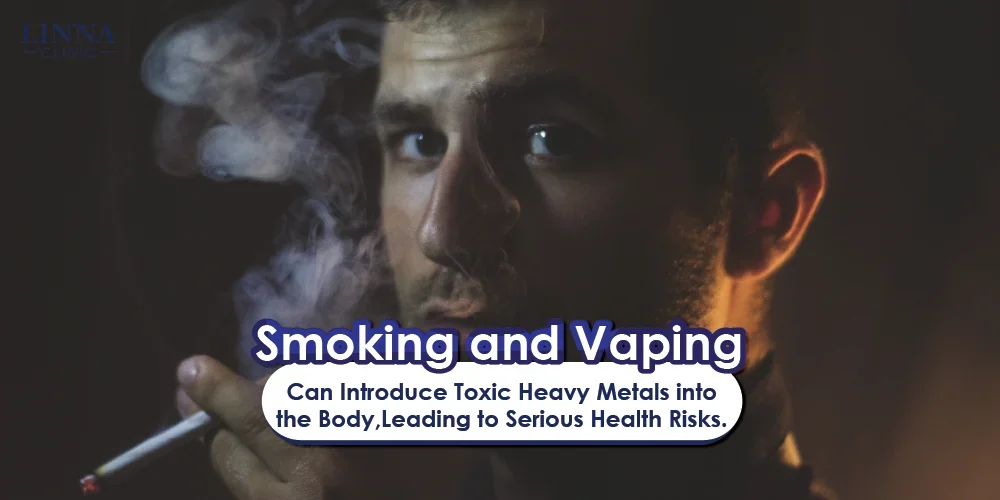
على الرغم من استمرار الحملات التي تهدف إلى توعية الناس بمخاطر التدخين، لا يزال عدد المدخنين حول العالم، بما في ذلك تايلاند، مرتفعًا. ويشمل ذلك السجائر التقليدية والسجائر الإلكترونية، التي يعتقد كثير من الأشخاص أنها أكثر أمانًا لأنها لا تنتج رائحة الدخان نفسها، وقد تجعل الإقلاع عن التدخين أكثر سهولة.
لكن المخاطر الخفية في السجائر الإلكترونية قد لا تقل خطورة عن السجائر التقليدية. فهي تحتوي على مواد سامة ومعادن ثقيلة مختلفة قد تؤثر في صحة المستخدم والأشخاص المحيطين به بطرق غير متوقعة.
يوضح هذا المقال من LINNA Clinic مصدر المعادن الثقيلة في السجائر التقليدية والإلكترونية، وكيف تدخل الجسم، والأمراض التي قد تزيد مخاطرها، بالإضافة إلى طرق دعم استعادة الصحة وتقليل المخاطر الناتجة عن بقاء المعادن الثقيلة في الجسم.
ما السجائر الإلكترونية؟ وما المواد السامة التي تحتوي عليها؟ وكيف تدخل الجسم؟
 هل يسبب التدخين أو استخدام السجائر الإلكترونية تراكم المعادن الثقيلة في الجسم؟
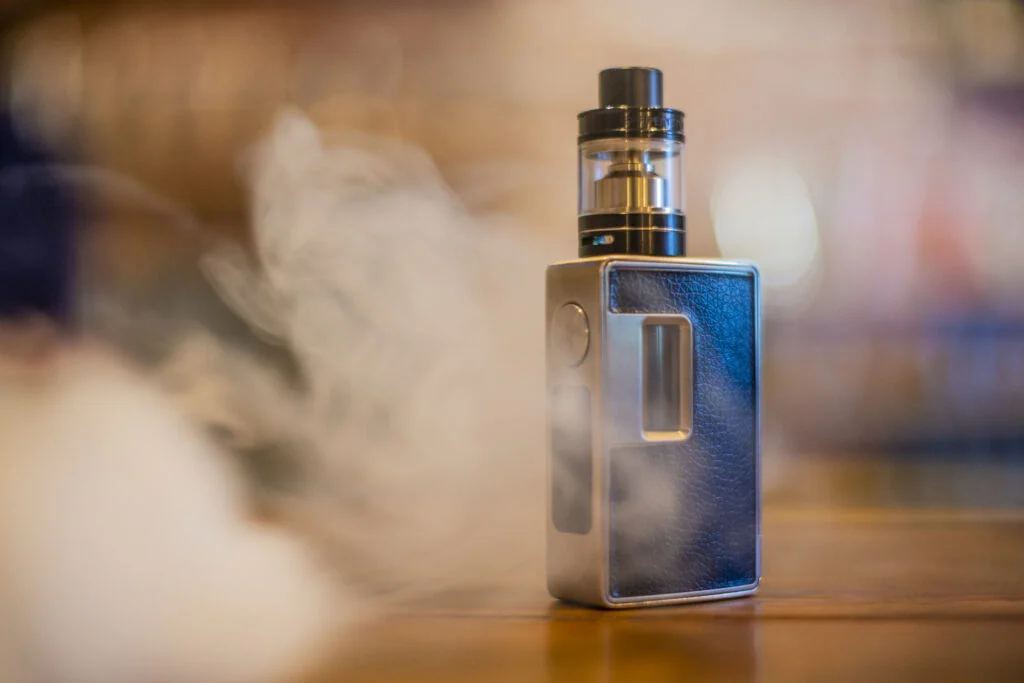
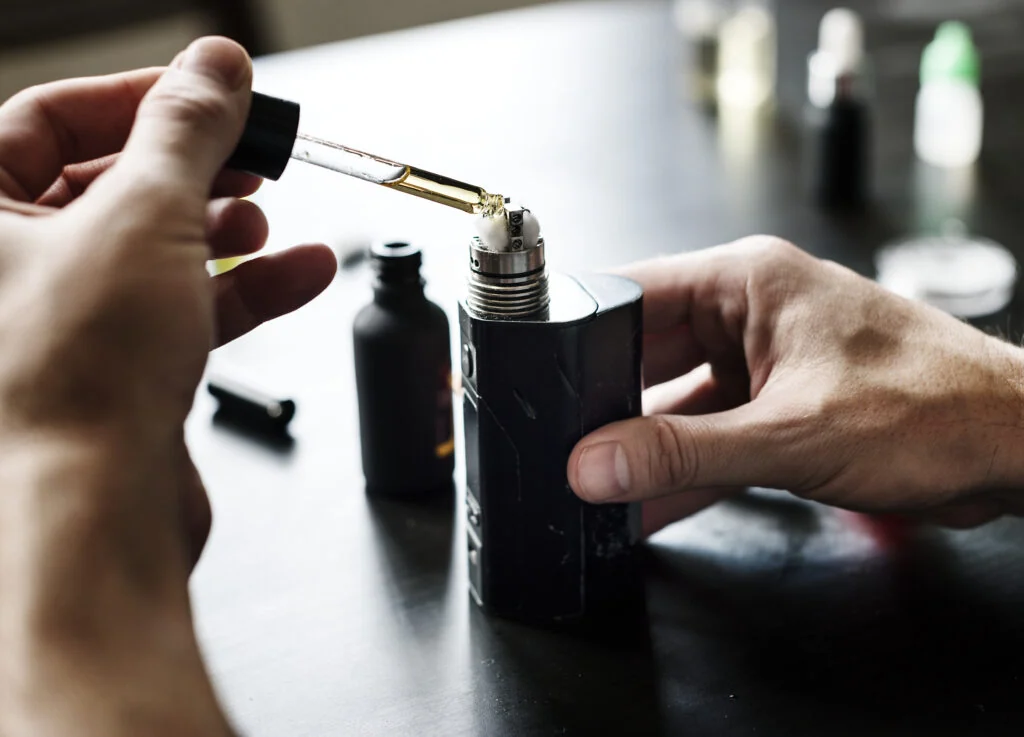
السيجارة الإلكترونية (E-cigarette) جهاز إلكتروني صُمم لمحاكاة التدخين من دون استخدام الاحتراق التقليدي. تنتقل الطاقة الكهربائية من البطارية (Battery) إلى الملف (Coil)، الذي يسخن سائل السيجارة الإلكترونية (E-liquid) الموجود داخل الخزان.
يحتوي السائل على مواد كيميائية مختلفة، مثل النيكوتين والغليسرين والبروبيلين غليكول ومواد النكهة. وعند تسخينه، يتحول إلى بخار (Vapor) يستنشقه المستخدم بدلًا من دخان احتراق السجائر التقليدية.
على الرغم من أن السجائر الإلكترونية لا تستخدم الاحتراق بالطريقة نفسها المستخدمة في السجائر التقليدية، فإن نظام التسخين الداخلي قد يطلق مواد سامة.
وقد تنفصل المعادن الثقيلة من الملف أو من الأجزاء المعدنية الأخرى التي تتدهور نتيجة الاستخدام المتكرر. وتصبح هذه المواد جزءًا من الهباء الجوي (Aerosol)، ثم تدخل الجسم عن طريق الرئتين.
وجدت دراسة أجراها باحثون من Johns Hopkins Bloomberg School of Public Health بالتعاون مع مؤسسات بحثية أخرى، ونُشرت في Environmental Health Perspectives عام 2018 (1)، مستويات قد تكون ضارة من المعادن الثقيلة في الهباء الجوي لعدة طرازات من السجائر الإلكترونية، وخصوصًا الأجهزة من نوع tank-style التي يضيف المستخدم السائل إليها بنفسه.
شملت المعادن المكتشفة الرصاص (Lead) والنيكل (Nickel) والكروم (Chromium) والزنك (Zinc) والمنغنيز (Manganese).
تتفق هذه النتيجة مع دراسة من Columbia University في الولايات المتحدة عام 2020 (2)، أبلغت عن اكتشاف معادن وأشباه معادن متعددة في سوائل السجائر الإلكترونية والهباء الجوي المستنشق.
شملت هذه المواد الألومنيوم والكادميوم والكوبالت والكروم والنحاس والحديد والرصاص والمنغنيز والنيكل والزنك.
يمكن لهذه المعادن الثقيلة دخول الجسم عن طريق الجهاز التنفسي والتراكم في مجرى الدم أو الأعضاء المختلفة.
كما وجدت أبحاث عدة معادن ثقيلة في السجائر التقليدية، وخصوصًا الكادميوم والرصاص. وقد تأتي هذه المواد من زراعة أوراق التبغ أو من عمليات التصنيع والمعالجة.
درست أبحاث منشورة عام 2012 مستويات الكادميوم (Cadmium, Cd) والرصاص (Lead, Pb) في علامات سجائر شائعة في المملكة العربية السعودية (3). ووجدت أن المدخن قد يستنشق نحو 0.22–0.78 ميكروغرام من الكادميوم ونحو 0.97–2.64 ميكروغرام من الرصاص عند تدخين علبة واحدة تحتوي على 20 سيجارة.
يحدث التعرض عن طريق استنشاق الأبخرة الموجودة في دخان السجائر، وقد يؤدي إلى تراكم هذه المواد في الجسم.
 هل يسبب التدخين أو استخدام السجائر الإلكترونية تراكم المعادن الثقيلة في الجسم؟
مخاطر المعادن الثقيلة المتراكمة في الجسم والأمراض المرتبطة بها
قد تؤثر المعادن الثقيلة الموجودة في السجائر التقليدية أو الإلكترونية في عدة أجهزة داخل الجسم:
- الجهاز العصبي: قد تزيد مخاطر مرض ألزهايمر والخرف لدى البالغين. أما لدى الأطفال الصغار الذين لم تكتمل أدمغتهم بعد، فقد تؤدي إلى تأخر النمو أو التأثير في معدل الذكاء على المدى الطويل. وقد تسهم أيضًا في الإصابة بمرض باركنسون، الذي يؤدي إلى تيبس العضلات وبطء الحركة.
- الجهاز التنفسي: قد يؤدي التعرض المستمر للمعادن الثقيلة عن طريق الجهاز التنفسي لفترة طويلة إلى تهيج بطانة الممرات الهوائية والتهاب الرئتين المزمن وزيادة مخاطر سرطان تجويف الأنف وسرطان الرئة.
- الكبد والكليتان: يضطر الكبد إلى العمل بصورة أكبر للتخلص من السموم والمعادن الثقيلة، بينما قد تتضرر بعض أنسجة الكلى، مما يزيد مخاطر الفشل الكلوي المزمن أو أمراض تدهور الكلى.
- الدم والجهاز القلبي الوعائي: قد تحفز المعادن الثقيلة التهابًا مزمنًا داخل الأوعية الدموية، مما يؤدي إلى تصلب الشرايين وارتفاع ضغط الدم وزيادة العبء على القلب. كما قد تزيد مخاطر النوبة القلبية الحادة (Heart Attack) التي يمكن أن تكون مميتة.
- الجهاز المناعي: قد تضعف الجسم وتزيد سهولة الإصابة بالعدوى وتبطئ التعافي، أو قد تسهم في ظهور أمراض المناعة الذاتية.
- الجهاز التناسلي والحمل: قد تسهم في العقم، وتؤثر في نمو الجنين، وتزيد مخاطر الإجهاض أو الولادة المبكرة.
 هل يسبب التدخين أو استخدام السجائر الإلكترونية تراكم المعادن الثقيلة في الجسم؟
علامات تحذيرية قد ترتبط بتراكم المعادن الثقيلة
قد لا تظهر أعراض غير طبيعية فورًا عند التعرض لكميات صغيرة من المعادن الثقيلة. لكن تراكمها المستمر في الجسم لفترة طويلة قد يؤدي إلى أعراض مزمنة أو اضطرابات تشمل:
- التعب والضعف المستمر، حتى بعد الحصول على قسط كافٍ من الراحة.
- صعوبة التركيز وسهولة النسيان أو الشعور المتكرر بعدم القدرة على التفكير بوضوح.
- تقلبات المزاج وسهولة الانزعاج أو الغضب.
- السعال المزمن وضيق الصدر أو عدم القدرة على أخذ نفس كامل.
- ضعف المناعة وسهولة الإصابة بالمرض وبطء التعافي.
- ألم مزمن مجهول السبب في العضلات والمفاصل.
- ارتفاع غير طبيعي في ضغط الدم، أو لدى بعض الأشخاص ضيق الصدر أو ألم الصدر أو التعرق المفرط.
- كثرة التبول، وخصوصًا في الليل، وتورم القدمين بسبب تراجع وظائف الكلى.
إذا كنت تدخن السجائر التقليدية أو تستخدم السجائر الإلكترونية أو تتعرض للتدخين السلبي (Secondhand smoke)، وبدأت تشعر بهذه الأعراض، فينبغي مراجعة الطبيب لإجراء تقييم صحي وفحص مستويات المعادن الثقيلة في الجسم بالتفصيل، للمساعدة على وضع خطة مناسبة للعناية بالصحة واستعادتها.
كيفية الوقاية من التعرض للمعادن الثقيلة وتقليل مخاطره
 هل يسبب التدخين أو استخدام السجائر الإلكترونية تراكم المعادن الثقيلة في الجسم؟
- التوقف تمامًا عن تدخين السجائر التقليدية واستخدام السجائر الإلكترونية. كما ينبغي تجنب المناطق التي قد تكون ملوثة بالمعادن الثقيلة، مثل الأماكن القريبة من المصانع الصناعية ومحارق النفايات والمناطق ذات الازدحام المروري الشديد والحانات والنوادي، أو البقاء بالقرب من الأشخاص الذين يدخنون بانتظام.
- شرب كمية كافية من الماء النظيف يوميًا لمساعدة الكليتين على التخلص من الفضلات بكفاءة.
- تناول أطعمة مغذية وغنية بمضادات الأكسدة للمساعدة على تقليل الالتهاب، مثل الخضراوات الورقية ذات اللون الأخضر الداكن والتوت والمكسرات والبذور والثوم والزنجبيل والكركم.
- قد تساعد بعض المعادن، مثل الزنك والسيلينيوم والكالسيوم والحديد، على تقليل امتصاص المعادن الثقيلة.
- إجراء فحوص صحية وتقييم مستويات المعادن الثقيلة في الجسم بانتظام، وخصوصًا لدى الفئات الأكثر عرضة للخطر، مثل من يعيشون مع أشخاص يدخنون أو يستخدمون السجائر الإلكترونية، أو من تقع مساكنهم بالقرب من المصانع أو المناطق الصناعية أو المناطق التي قد يوجد فيها تلوث بيئي.
خيارات التعامل مع المعادن الثقيلة: فحوص المعادن الثقيلة وChelation Therapy وEBOO Therapy
- فحص المعادن الثقيلة: يمكن استخدام عينات الدم أو البول أو الشعر أو الأظافر لتحليل ما إذا كانت مستويات المعادن الثقيلة تتجاوز القيم المرجعية القياسية. إذا أظهرت الفحوص مستويات أعلى من المعايير العامة، فقد يقترح الطبيب طريقة مناسبة لاستعادة الجسم وفقًا لمشكلة كل شخص وحالته الصحية، مثل Chelation Therapy أو EBOO Therapy.
- Chelation Therapy: هو أسلوب لإزالة المعادن الثقيلة المتبقية في الجسم باستخدام عوامل مخلبية (Chelating Agents)، مثل EDTA أو DMSA أو DMPS. ترتبط هذه المواد ببعض المعادن الثقيلة أو المعادن الأخرى، مثل الرصاص والزئبق والكادميوم والزرنيخ. وينتج عن ذلك مركب قابل للذوبان في الماء يُعرف باسم Chelate، ويمكن إخراجه من الجسم عن طريق البول أو البراز. يُعد هذا الأسلوب معيارًا طبيًا لعلاج التسمم الحاد بالمعادن الثقيلة. ويمكن إجراؤه عن طريق الحقن الوريدي أو تناوله عن طريق الفم، حسب نوع المعدن المكتشف وشدة الحالة.
يناسب Chelation Therapy فقط الأشخاص الذين شُخصوا بوضوح بأن مستويات المعادن الثقيلة لديهم تتجاوز المعايير العامة.
لا توجد حاليًا أدلة تدعم استخدامه لإزالة السموم العامة أو الوقاية من الأمراض المزمنة عندما لا توجد حاجة طبية واضحة.
ويجب توخي الحذر بصورة خاصة لدى من يعانون مشكلات في الكبد أو الكلى أو القلب، أو لديهم نقص في إنزيم G6PD.
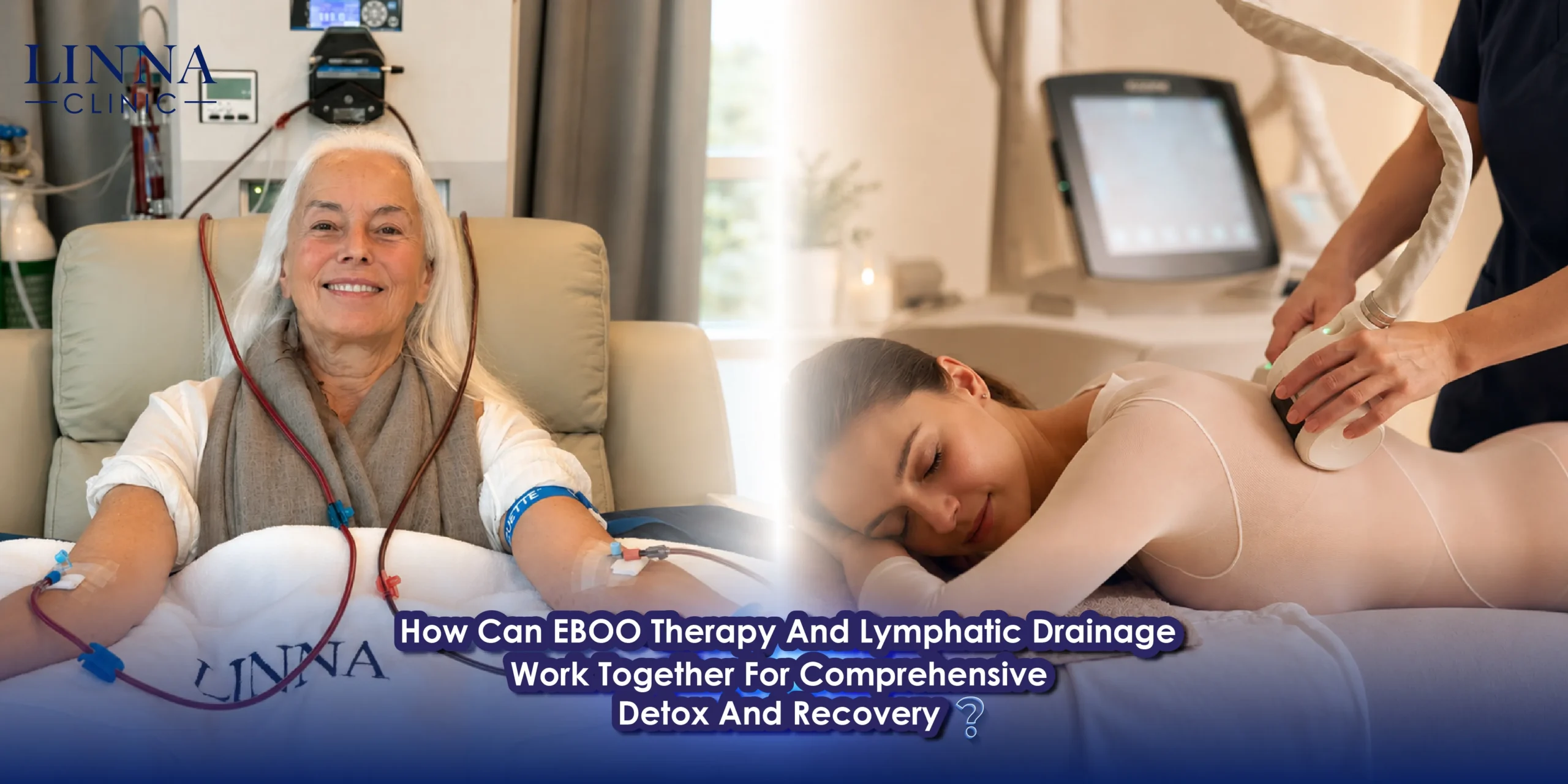
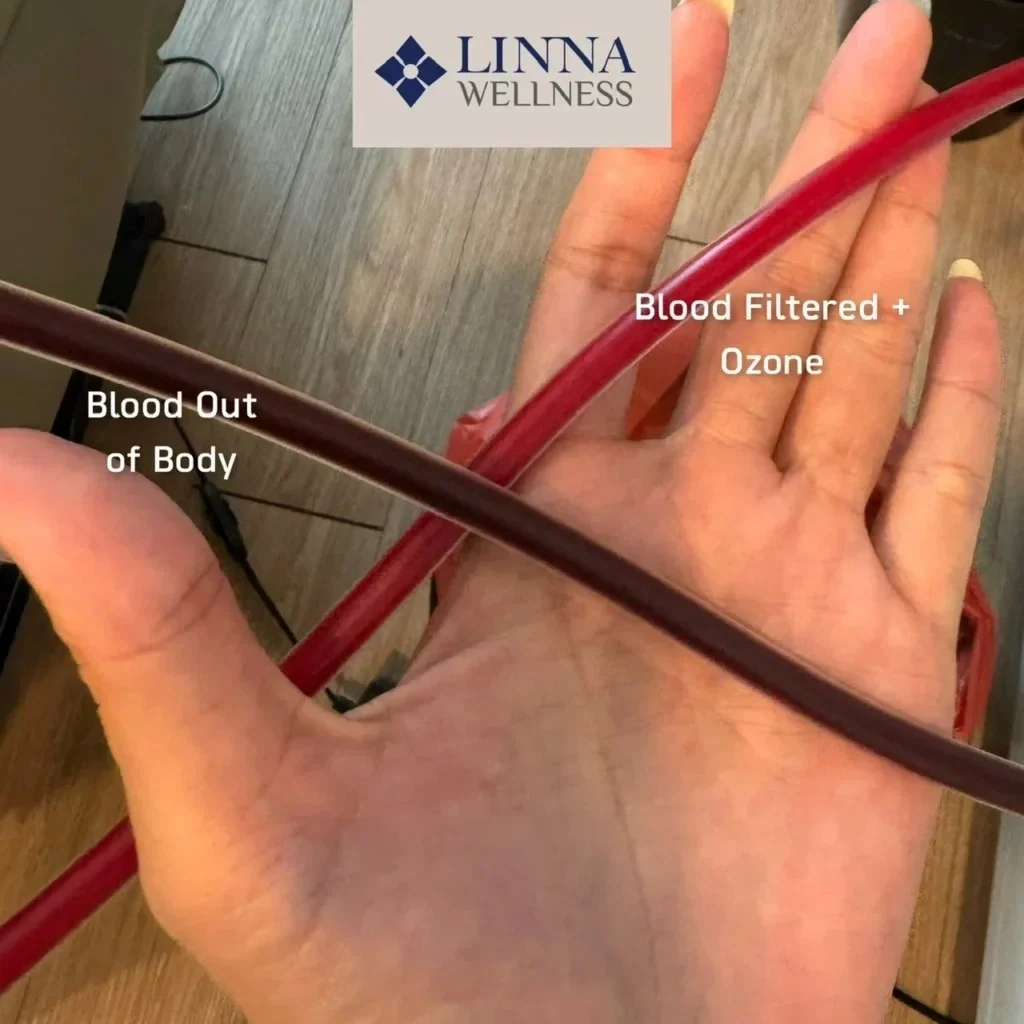
- EBOO Therapy باستخدام EBOO PLUS Technique: يوصف هذا الإجراء بأنه عملية لترشيح الدم وإزالة المعادن الثقيلة والسموم المتبقية. يُسحب الدم من الجسم ويُنظف من خلال مرشح معقم، ثم يضاف إليه الأوزون منخفض التركيز قبل إعادته ببطء عن طريق الوريد. ويُستخدم نظام مغلق منذ بداية العملية حتى نهايتها. يتمثل الهدف الرئيسي في المساعدة على تحقيق التوازن في الجهاز الوعائي وتقليل الالتهاب المزمن المرتبط بالسموم والمعادن الثقيلة المتراكمة في الجسم. ويوصف الأوزون (O₃) المستخدم في هذا الإجراء بأنه يتفاعل مع عدد من المعادن الثقيلة، مما يسهل التخلص منها من الجسم ويساعد على تقليل مستوياتها.
 هل يسبب التدخين أو استخدام السجائر الإلكترونية تراكم المعادن الثقيلة في الجسم؟
يوصف EBOO Therapy أيضًا بأنه يساعد على زيادة الطاقة على مستوى الخلايا، وتحسين الشعور بالانتعاش، وتقليل التعب المزمن، واستعادة التوازن الداخلي للجسم.
وقد يناسب الأشخاص الذين لديهم أمراض مزمنة، أو من تتجاوز مستويات المعادن الثقيلة لديهم القيم المرجعية، وكذلك الأشخاص الذين يرغبون في العناية الصحية الوقائية.
تستغرق الجلسة الواحدة نحو 45–60 دقيقة. ويمكن عادةً العودة إلى الأنشطة اليومية من دون فترة تعافٍ.
ومع ذلك، ينبغي تلقي خدمات إزالة المعادن الثقيلة في منشآت طبية تستوفي المعايير، وتحتوي على التجهيزات المناسبة، ويعمل فيها فريق طبي يتمتع بخبرة كبيرة.
تتسم هذه الإجراءات بالتعقيد، وتتطلب خطة علاج تتوافق مع الحالة الصحية لكل شخص، للمساعدة على تحقيق نتائج جيدة والحفاظ على السلامة.
الخلاصة
ابدأ من اليوم بحماية صحتك وصحة من تحب، من خلال التوقف عن تدخين السجائر التقليدية واستخدام السجائر الإلكترونية، وتجنب التلوث، وتناول الأطعمة المفيدة، والنظر في وسائل التعامل الطبي مع المعادن الثقيلة تحت إشراف طبيب خبير عند الحاجة.
قد تشمل هذه الوسائل فحص المعادن الثقيلة المتبقية في الجسم، وChelation Therapy، وEBOO Therapy. وتهدف إلى دعم استعادة الجسم بصورة عميقة وتقليل المخاطر طويلة الأمد المرتبطة بتراكم المعادن الثقيلة.
إذا كنت مهتمًا بتقييم صحتك أو استعادتها مع فريق طبي يتمتع بخبرة تزيد على 14 عامًا وأجرى أكثر من 25,000 حالة علاجية فعلية، فتواصل معنا عبر:
الهاتف: 063-609-8888 WhatsApp: +66 919799554 LINE: @linnaclinic
المراجع
- Olmedo, P., Goessler, W., Tanda, S., Grau-Perez, M., Jarmul, S., Aherrera, A., Chen, R., Hilpert, M., Cohen, J. E., Navas-Acien, A., & Rule, A. M. (2018). Metal concentrations in e-cigarette liquid and aerosol samples: The contribution of metallic coils. Environmental Health Perspectives, 126(2), 027010. https://doi.org/10.1289/EHP2175
- Zhao, D., Aravindakshan, A., Hilpert, M., Olmedo, P., Rule, A. M., Navas-Acien, A., & Aherrera, A. (2020). Metal/metalloid levels in electronic cigarette liquids, aerosols, and human biosamples: A systematic review. Environmental Health Perspectives, 128(3), 036001. https://pubmed.ncbi.nlm.nih.gov/32186411/
- Ashraf, M. W. (2012). Levels of heavy metals in popular cigarette brands and exposure to these metals via smoking. The Scientific World Journal, 2012, 729430. https://www.ncbi.nlm.nih.gov/pmc/articles/PMC3320036/
تمت مراجعة هذا المقال وإعداده من قِبل الفريق الطبي في عيادة LINNA.
هل تهتم بهذا البرنامج أو تحتاج إلى استشارة خاصة؟
فريق عيادة LINNA جاهز لمساعدتك في اختيار البرنامج المناسب لك.