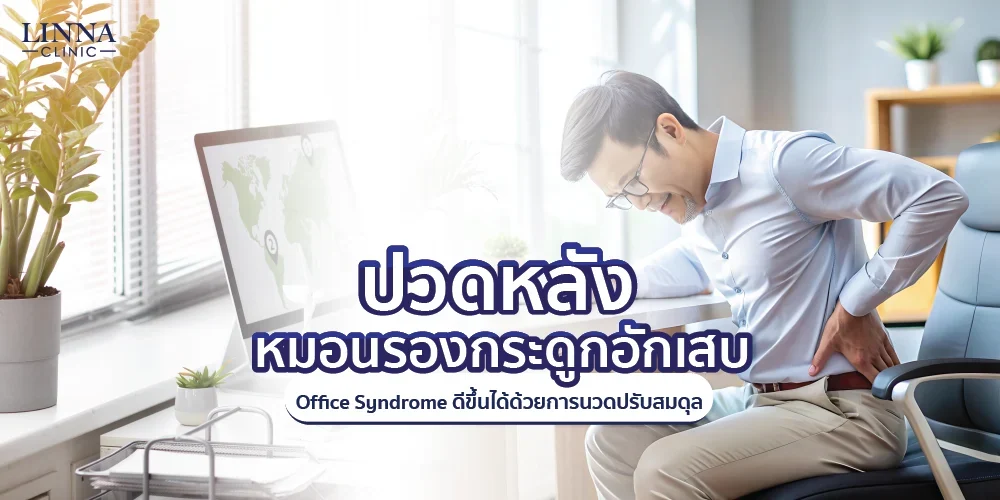
تُعد آلام الظهر والرقبة والشعور بالشد في الكتفين من أكثر أعراض Office Syndrome شيوعًا لدى الأشخاص في سن العمل. وقد يظن كثيرون أنها مجرد حالة من الإرهاق المتراكم، إلا أن إهمالها وعدم التعامل معها بالطريقة المناسبة قد يؤديان، من دون أن يدرك الشخص، إلى التهاب الأقراص الفقرية أو تحرك الفقرات وضغطها على الأعصاب. توجد حاليًا عدة طرق للتعافي من Office Syndrome، تشمل استخدام الأدوية والعلاج الطبيعي وتدليك توازن بنية الجسم (Holistic Massage). وهو أسلوب لاستعادة الصحة من خلال التدليك الذي يعيد التوازن من داخل الجسم، ويساعد على وضع العظام والعضلات والأوتار في مواضعها المناسبة، ويدعم عودة بنية الجسم إلى حالة متوازنة من دون جراحة، ويقلل الاعتماد غير الضروري على الأدوية. وقد يساعد ذلك على تحسين جودة حياة متلقي الخدمة بصورة ملحوظة وآمنة.
أسباب الآلام في مناطق الجسم المختلفة وحالة Office Syndrome
Office Syndrome هي مجموعة من الأعراض المؤلمة التي تصيب العضلات والأنسجة اللفافية والعمود الفقري، وتنشأ نتيجة الجلوس والعمل بوضعيات غير مناسبة بصورة مستمرة لعدة أسابيع أو سنوات.
تؤدي هذه الحالة إلى ألم وشد في عضلات الرقبة والكتفين والظهر والذراعين والساقين، وقد يصاحبها خدر في مناطق مختلفة. وتظهر عادة لدى موظفي المكاتب أو من يعملون في الوضعية نفسها لمدة طويلة. وتشمل الأسباب الشائعة ما يلي:
- وضعية الجلوس غير المناسبة، مثل انحناء الظهر أو رفع الكتفين أو وضع ساق فوق الأخرى. يزيد ذلك الحمل على عضلات الرقبة والظهر وأسفل الظهر، مما يسبب الشد والألم وقد يزيد خطر التهاب الأقراص الفقرية على المدى الطويل.
- عدم تغيير وضعية الجسم. يؤدي الجلوس المستمر لمدة طويلة من دون حركة إلى الاستخدام المتكرر للعضلات نفسها، وإبطاء الدورة الدموية، وربما ضغط الأعصاب، مما يسبب الخدر أو الألم أو الألم الممتد.
- عدم ملاءمة المكتب والكرسي لطبيعة جسم المستخدم، مثل أن يكون المكتب مرتفعًا أكثر من اللازم، أو أن يكون الكرسي بلا مسند للظهر، أو ألا تكون شاشة الكمبيوتر في مستوى العين. قد يؤدي ذلك إلى شد العضلات بصورة غير طبيعية وظهور آلام مزمنة.
- تراكم الضغط النفسي الناتج عن العمل الشاق وقلة الراحة قد يؤدي إلى انقباض العضلات وتوترها من دون وعي، مما يسبب الألم والإرهاق، ولا سيما في الرقبة والكتفين والظهر.
آثار Office Syndrome وآلام الظهر والتهاب الأقراص الفقرية
 تدليك توازن بنية الجسم لآلام الظهر والتهاب الأقراص الفقرية وOffice Syndrome
على الرغم من أن آلام Office Syndrome في مراحلها الأولى قد لا تبدو شديدة، فإن إهمالها أو عدم تعديل عادات العمل بطريقة مناسبة قد يسمح بتفاقم المشكلة وتحولها إلى الحالات المزمنة التالية:
- آلام الظهر المزمنة أو الألم الممتد إلى الذراعين أو الساقين عند وجود ضغط من القرص الفقري على الأعصاب، مما يؤثر في الحياة اليومية ويجعل النهوض أو الجلوس أو المشي صعبًا.
- الألم والشد حول لوحي الكتف، أو انخفاض موضع لوح الكتف، أو تيبس الكتف.
- خدر الأصابع أو الإصبع الزنادية المزمنة، وقد يصاحب ذلك ضعف في العضلات.
- الصداع المزمن والصداع النصفي الناتجان عن شد عضلات الرقبة والكتفين.
- تحرك الفقرات أو اختلال محاذاة بنية الجسم، مثل عدم تساوي الكتفين أو ميل الحوض، مما يؤثر في الصحة العامة وقد يزيد خطر تكرار الإصابة مستقبلًا.
- اضطراب عمل أنظمة الجسم المختلفة، مثل الجهاز العصبي الذاتي والدورة الدموية وتنظيم ضغط الدم والجهاز الهضمي والجهاز العضلي الهيكلي.
- عدم النوم بعمق والاستيقاظ بصورة متكررة طوال الليل نتيجة الشعور بالألم أو الخدر أثناء النوم.
- تقلب المزاج وضعف التركيز وانخفاض كفاءة العمل.
ما هو تدليك التوازن (Holistic Massage)، وكيف يختلف عن التدليك العام؟
 تدليك توازن بنية الجسم لآلام الظهر والتهاب الأقراص الفقرية وOffice Syndrome
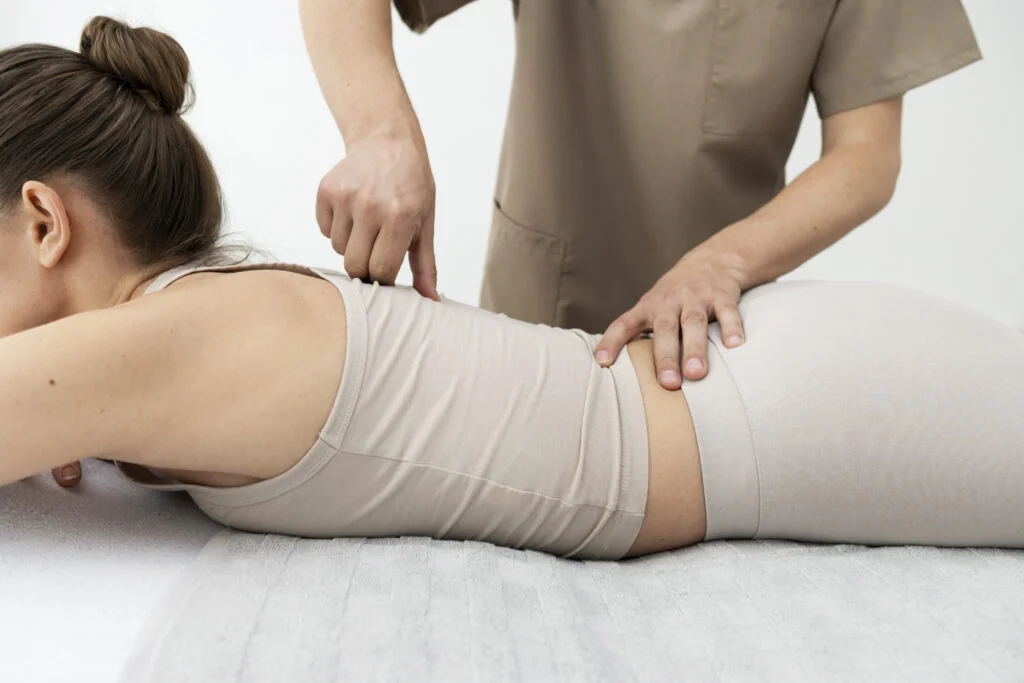
تدليك توازن بنية الجسم (Holistic Massage) هو أسلوب علاجي تطور من التدليك التايلاندي التقليدي، وهو معترف به حاليًا من الجهات التايلاندية المعنية بالطب التقليدي والبديل. يركز هذا النوع من التدليك على فهم أعراض متلقي الخدمة من خلال استخدام المعالج لعينيه وأذنيه ويديه، لفحص درجة حرارة الجسم وعمل الدورة الدموية والجهاز العضلي والجهاز الهيكلي والوضعية الأساسية للجسم، وتحديد ما إذا كانت في حالة طبيعية. بعد ذلك، يبدأ التدليك باستخدام الأصابع واليدين والقدمين والركبتين والمرفقين، مع تجنب إحداث ضغط أو انضغاط أو تزاحم أو حصر غير مناسب في الجسم. تتم خطة إعادة التوازن وفق طبقات الجسم بالتسلسل، وهي الجلد والعضلات والأوتار والعظام، بهدف إعادة بنية الجسم إلى حالة أكثر طبيعية ودعم قدرته على التعافي بصورة تلقائية. قد يساعد ذلك على تخفيف حالات مثل آلام الظهر والكتفين ولوحي الكتف والركبتين وOffice Syndrome والاضطرابات الناتجة عن الاستخدام المتكرر للجسم لمدة طويلة والوقاية منها، من دون الحاجة إلى الجراحة ومع تقليل الاعتماد غير الضروري على الأدوية.
ما الفوائد التي قد يقدمها تدليك توازن بنية الجسم؟
 تدليك توازن بنية الجسم لآلام الظهر والتهاب الأقراص الفقرية وOffice Syndrome
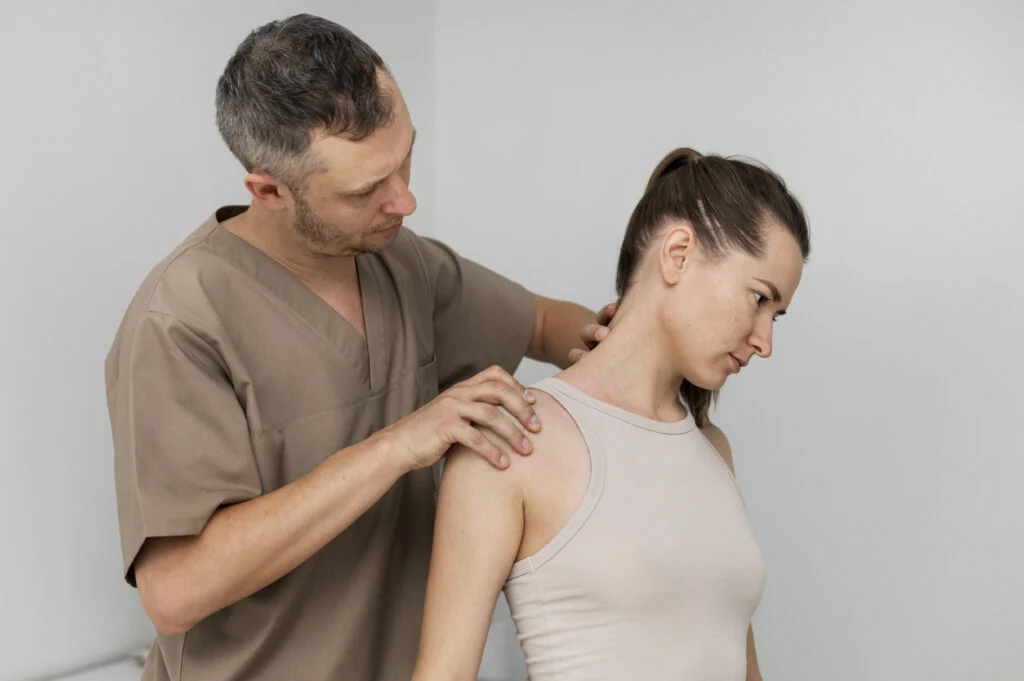
- تخفيف آلام العضلات المزمنة، مثل الألم والشد في الرقبة والكتفين والظهر ولوحي الكتف.
- تحسين توازن العظام والمفاصل والمساعدة على تقليل أو تعديل الأعراض المرتبطة بضغط الأعصاب، والمساعدة على الوقاية من عدم تساوي الكتفين وانحناء الظهر وتقوس الساقين وانثناء الساقين أو الذراعين.
- تحفيز الدورة الدموية والدورة اللمفاوية وتحسين عملهما.
- استعادة وظائف الجهاز العصبي وتقليل الخدر أو ضعف العضلات.
- المساعدة على الوقاية من الصداع النصفي والصداع أحادي الجانب الناتج عن شد العضلات.
- تخفيف شد العضلات وتشنجها، مثل التقلصات العضلية وانغلاق العضلات والإصبع الزنادية.
- المساعدة على إعادة ضغط الدم إلى مستوى متوازن وتقليل خطر تضيق الشرايين التاجية وتضخم القلب.
- تحسين وضعية الجسم من خلال إعادة بنيته إلى محاذاة أكثر توازنًا.
لمن يناسب تدليك توازن بنية الجسم؟
 تدليك توازن بنية الجسم لآلام الظهر والتهاب الأقراص الفقرية وOffice Syndrome
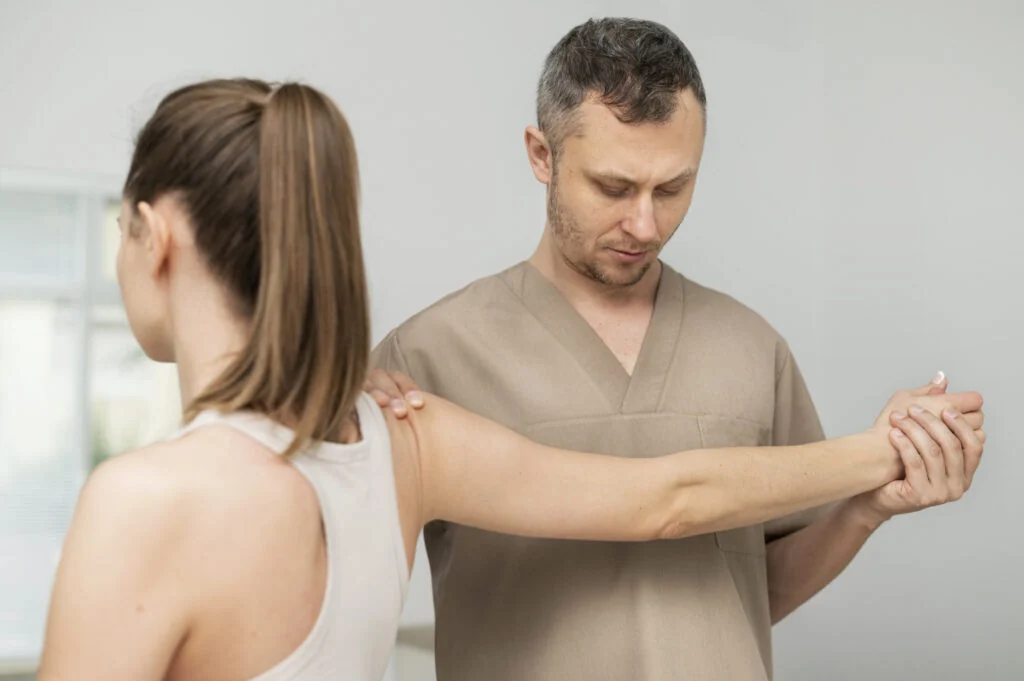
تستغرق جلسة تدليك توازن بنية الجسم نحو 45–60 دقيقة، ويمكن إجراؤها كل أسبوع إلى أسبوعين أو وفق توصية المختص. وهي مناسبة لمن يرغبون في استعادة صحتهم أو تخفيف الحالات التالية:
- من يعانون Office Syndrome أو آلام الرقبة والكتفين والظهر ولوحي الكتف نتيجة الجلوس الطويل أو الاستخدام المتكرر للعضلات.
- من يعانون ألمًا مزمنًا بسبب التهاب الأقراص الفقرية أو تحرك الفقرات.
- من يعانون تشنج العضلات، مثل التقلصات المتكررة.
- من لديهم كتفان غير متساويين أو حوض مائل أو يشعرون بعدم التوازن أثناء المشي.
- من يرغبون في استعادة توازن بنية الجسم، ودعم الدورة الدموية واللمفاوية، والمساعدة على إعادة ضغط الدم إلى المستوى الطبيعي.
- من يرغبون في تحسين وضعية الجسم والوقاية من عدم تساوي الكتفين أو انحناء الظهر.
- الأشخاص المعرضون للمخاطر أو من يرغبون في العناية بصحتهم للمساعدة على الوقاية من الصداع النصفي، والضعف الجزئي أو الشلل الذي يؤثر في الجسم أو الوجه، وخدر القدمين أو اليدين، والإصبع الزنادية، وآلام الركبة، وأمراض القلب.
احتياطات تدليك توازن بنية الجسم
 تدليك توازن بنية الجسم لآلام الظهر والتهاب الأقراص الفقرية وOffice Syndrome
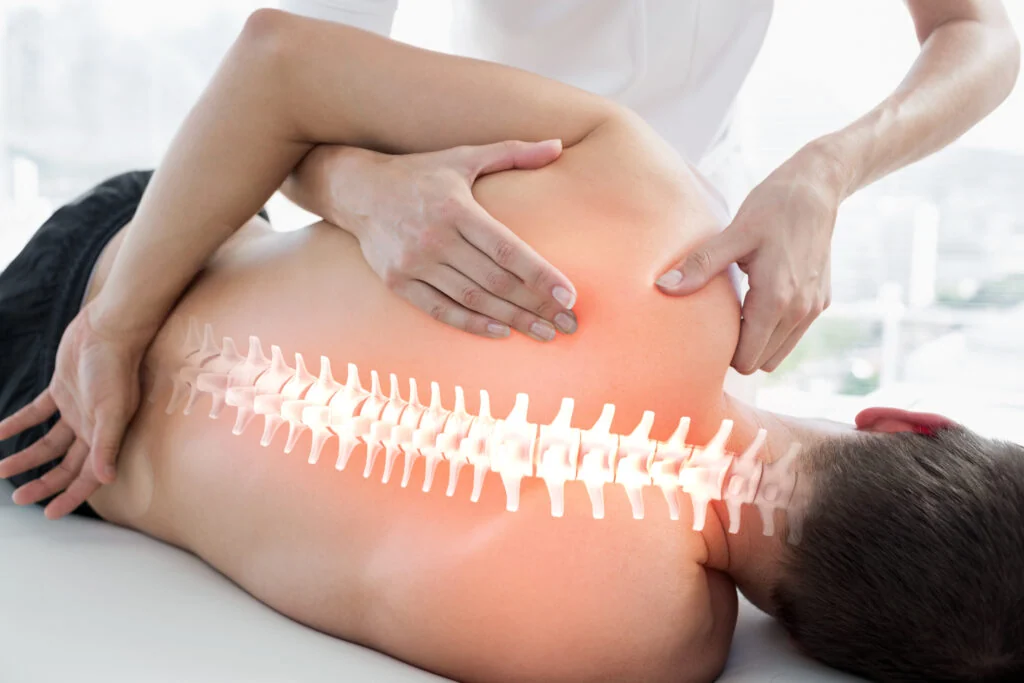
على الرغم من الفوائد العلاجية والتأهيلية المحتملة لتدليك التوازن، توجد احتياطات لبعض الفئات:
- يُمنع التدليك عند وجود حمى شديدة أو أثناء فترة الحيض.
- يُمنع التدليك عند وجود ألم شديد أو كدمات، أو التهاب في العضلات أو الجلد، أو خلال الفترة التالية مباشرة لإصابة حديثة.
- ينبغي لمن يعانون هشاشة عظام شديدة، أو سبق لهم الخضوع لجراحة تثبيت معدني في العظام، أو يعانون أمراضًا جلدية أو بعض الأمراض المعدية، تجنب تدليك توازن الجسم.
- ينبغي أن يخضع متلقي الخدمة لفحص جسدي على يد مختص قبل بدء التدليك في كل مرة.
لضمان السلامة، ينبغي تلقي تدليك توازن بنية الجسم في عيادة تلتزم بالمعايير المناسبة. ويجب أن يتمتع المعالج بالخبرة والتدريب المتخصص والمعرفة الصحيحة بالتشريح والعضلات والعظام والأعصاب. يساعد ذلك على تجنب الآثار الجانبية الناتجة عن تدليك موضع غير صحيح، أو استخدام وضعية خاطئة، أو تطبيق قوة غير مناسبة. في LINNA Clinic، يقدم الرعاية مختص في التعامل مع الآلام المزمنة، مثل آلام الظهر والركبة وOffice Syndrome، باستخدام تدليك توازن بنية الجسم والضغط على النقاط لتحرير اللفافة، وهي تقنية توصف أيضًا بأنها شبيهة بالجراحة. أكمل المختص 800 ساعة من التدريب في المعارف المرتبطة بفنون العلاج ومهنة الطب التايلاندي التقليدي في مجال التدليك، ويتمتع بخبرة تزيد على 15 عامًا في رعاية المرضى. تركز الرعاية على استعادة الصحة وفق حالة كل شخص، بهدف تحسين جودة الحياة من دون جراحة وتقليل استخدام الأدوية غير الضرورية.
الخلاصة
لا تمثل آلام Office Syndrome مجرد إرهاق مؤقت، بل قد تعكس أيضًا اختلالًا في توازن بنية الجسم وأنظمته الداخلية، وهو ما يستحق رعاية جادة ومناسبة. يُعد تدليك توازن بنية الجسم (Holistic Massage) خيارًا آخر لمن يرغبون في تحسين توازن الجسم والعودة إلى ممارسة حياتهم اليومية بسهولة أكبر من دون جراحة.
إذا كنت تعاني Office Syndrome أو آلامًا مزمنة أو آلام الظهر أو التهاب الأقراص الفقرية، وترغب في استعادة صحة جسمك بصورة مستهدفة وآمنة، يمكنك تلقي الرعاية من مختص في تدليك توازن بنية الجسم يمتلك خبرة تزيد على 15 عامًا في رعاية المرضى، وأكمل أكثر من 800 ساعة من التدريب في فنون العلاج والتدليك التايلاندي. للاستفسار أو حجز موعد مسبق، تواصل مع LINNA Clinic عبر LINE على الحساب @linnaclinic أو اتصل بالرقم 063-609-8888.
تمت مراجعة هذا المقال وإعداده من قِبل الفريق الطبي في عيادة LINNA.
هل تهتم بهذا البرنامج أو تحتاج إلى استشارة خاصة؟
فريق عيادة LINNA جاهز لمساعدتك في اختيار البرنامج المناسب لك.